Destinations › Africa · The Destination Index · universal template · every figure sourced
Botswana.
Southern Africa, north of South Africa. 581,730 sq km and 2,562,122 people, landlocked, with no coastline at all, semiarid; warm winters and hot summers.
Region · AfricaPopulation · ~2,562,122Languages · Setswana, Kalanga, Kgalagadi, English (official)Eco Index · 53/100 · Weak
The Eco Index across 12 pillars · scored 0 to 5 · World Bank, OWID, WHO/UNICEF JMP, FiBL, Protected Planet, IUCN, UNESCO (2023-24)
Water
Food & farming
Plant-based
Organic
Conservation
Wildlife
Materials
Pollution
Recycling
Energy
Culture
Heritage
The History of Botswana.
Setswana cultural life keeps traditional music and dance alive, from the setapa of the Bangwaketse to the dikopelo choirs of the Bakgatla ba Kgafela. At Tsodilo Hills, the White Paintings Shelter was used for curative dances, and local communities still revere the hills as a home for ancestral spirits.
Where the name comes from
Botswana means 'land of the Tswana-speaking peoples', according to Botswana Notes and Records, a University of Botswana journal. Under British rule it was the Bechuanaland Protectorate, and it became independent in 1966, according to the UK Permanent Committee on Geographical Names.
The land itself: flat to gently rolling tableland, with the Kalahari across the south west. Source: Department of Surveys and Mapping, the national mapping agency, with the UK Permanent Committee on Geographical Names.
Where it starts
The Louvre of the Desert
Tsodilo Hills in the north-west hold around 400 rock art sites with more than 4,000 individual paintings, one of the highest concentrations of rock art in the world. The hills remain sacred to local communities and have sheltered people for over 100,000 years. Genome studies show that the Khoe-San peoples of southern Africa carry the most divergent lineages of all living peoples.
How it got here
Kings who argued their own case
Early Iron Age farming communities lived in east-central and north-western Botswana. Britain declared Bechuanaland a protectorate in 1885, a move driven largely by military strategy. In 1895 three Tswana kings, Khama, Sebele and Bathoen, travelled to Britain to ask that their land not be taken over by Cecil Rhodes's British South Africa Company, and they won some concessions. Botswana became independent on 30 September 1966.
The timeline
c. 100,000 years ago onward
Tsodilo Hills.
Over 4,500 paintings survive in an area of only 10 square kilometres, one of the highest concentrations of rock art in the world. The hills are known as the Louvre of the Desert, and local communities still revere them as a home for ancestral spirits. ↗
Deep prehistory
San and Khoe peoples.
Genome studies of Khoe and San peoples, including the Ju|'hoansi, |Gui and ‖Gana, show they carry the most divergent lineages of all living peoples and the greatest genetic diversity of any human group. ↗
Early Iron Age
Farming and cattle.
Early Iron Age farming communities live in east-central and north-western Botswana, and small samples from their sites give some support to the idea that some Later Stone Age foragers living alongside them took up farming. ↗
Before the 1300s
Trade with the coast.
Mapungubwe, where Botswana, South Africa and Zimbabwe meet on the Limpopo and Shashe rivers, grows into the largest kingdom in the subcontinent. It trades gold and ivory through East African ports to India and China before it is abandoned in the 14th century. ↗
1885
The Bechuanaland Protectorate.
Britain declares Bechuanaland a protectorate, a move driven largely by military strategy rather than by the land's economic resources. ↗
1966
Independence.
On 30 September 1966 Bechuanaland became an independent and sovereign state and was renamed the Republic of Botswana. Seretse Khama, until then Prime Minister, became President, and Quett Masire, the Deputy Prime Minister, became Vice-President. The new constitution blended the Westminster model with an executive presidency. ↗
2001
World Heritage.
Tsodilo is inscribed by UNESCO as Botswana's first World Heritage site. ↗
Botswana protects 27.6 per cent of its land in national parks and reserves such as Chobe, the Central Kalahari Game Reserve and Moremi (World Bank), and the conserved total rises towards 37 per cent or more once Wildlife Management Areas are counted. Enforcement is comparatively strong, backed by a well-resourced anti-poaching effort and a national economic stake in keeping wildlife alive. The Okavango Delta is a UNESCO World Heritage site.
Is wild Botswana protected? 27.6% of the land is, against a 30% target for 2030
How protected is nature in Botswana?
Forest cover27.76%
Terrestrial protected area27.6%
34 (mammals, birds, fish & plants) listed as threatened.
Critically Endangered, the last IUCN category before Extinct in the Wild, and still recorded in Botswana. GBIF holds 431 verified occurrence records.
Necrosyrtes monachus
Critically Endangered, the last IUCN category before Extinct in the Wild, and still recorded in Botswana. GBIF holds 115 verified occurrence records.
Trigonoceps occipitalis
Critically Endangered, the last IUCN category before Extinct in the Wild, and still recorded in Botswana. GBIF holds 44 verified occurrence records.
Species named here are drawn from GBIF occurrence records for Botswana filtered to the IUCN Red List threatened categories. Species are listed where GBIF holds occurrence records for them in this country. Record counts are not published here because the figure cannot be reproduced from a public GBIF query.
Botanical garden in Kweneng District, mapped and named in the open record for Botswana. OpenStreetMap.
Water and Ocean in Botswana.
Most of Botswana is Kalahari sandveld with no perennial surface water, so supply leans on groundwater wellfields, the Okavango and Chobe river systems in the north, and a pipeline network feeding Gaborone from distant dams. About 92 per cent of the population has at least basic drinking water (World Bank/JMP, 2020), but the safely managed share is lower and rural access is patchy. Water is a scarce and carefully managed resource in a drought-prone country.
Does Botswana have enough fresh water? Yes, with headroom
63.3% of people here have safely managed drinking water at home (2024, WHO/UNICEF JMP). Coverage is well short of universal, so a visitor should not assume the tap is safe.
Cleanest water: The Okavango Delta, a near-pristine inland wetland and UNESCO World Heritage site.
How much fresh water does Botswana have, per person?
984 m³
Botswana
1,000 m³
the UN “water scarce” line
Botswana withdraws about 213 million cubic metres of fresh water a year (2022). That is 2.2% of the fresh water actually available to it, which FAO counts as no water stress. Of what is taken, farming takes 28%, homes and towns 61%, industry 11%. Source: FAO AQUASTAT.
Where does the sewage go?
72.1%
of people have at least basic sanitation
72.1% of people here use at least a basic toilet not shared with other households (2024, World Bank / WHO UNICEF JMP). No figure is published for how much of that waste is safely treated, so the share reaching the ground or the water untreated is unknown.
Is the tap water safe in Botswana?
63.3% of people have safely managed drinking water at home (2024, WHO/UNICEF JMP). Renewable fresh water works out at about 984 cubic metres per person a year (World Bank).
How hard is the water supply being pushed?
Of every 10 buckets nature refills, 0 are already taken. Withdrawals run at 2.2% of what Botswana renews internally each year (2022, World Bank / FAO AQUASTAT). That is inside the 25% mark generally treated as water stress, so the supply has headroom.
When is the best time to visit Botswana? Tap your month.
Tap your month.
JanFebMarAprMayJunJulAugSepOctNovDec
.
How much fresh water does Botswana actually have?
Nature renews about 984 cubic metres of fresh water per person per year here. That ranks Botswana 57 of 208 countries measured, putting it in the drier half of the world. The UN treats anything under 1,000 cubic metres as water scarce, and this is below that line. World Bank / FAO AQUASTAT.
Botswana is a net importer of cereals, with most cereal imports coming from South Africa, and food made up 16.2 per cent of its merchandise imports in 2023. Beef, sorghum and maize are among its main farm products, cattle are among its top exports, and drought cut cereal production in 2024.
Where does the food in Botswana come from?
16.2% imported
about US$1,036m a year
On the plate: Sorghum and maize porridge (bogobe and pap), morogo (wild leafy greens), beans.
2 of 10
bites are imported
Botswana buys in more food energy than it eats. About US$1,036m a year leaves the country to pay for it. The green slice is roughly what still grows here.
About 16.2% of everything Botswana buys in from abroad is food, roughly 2 in every 10 imported items on the dock (2023, World Bank). Farming itself is 1.8% of the economy and 45.6% of the land is agricultural, of which 0.5% is arable. The green slice is roughly what still grows here.
What is killing people in Botswana? The imported diet.
Cause of death, and the diet behind it.
Non-communicable diseases, all combined28.3%
Diabetes4.6%
Adults living with overweight or obesity. 42%.
Can Botswana feed itself?
0.5%
Arable land
45.6%
Agricultural land
216,233
Farmers
642,473
Arable acres
1.8%
Agriculture, share of GDP
Harvest: Rain-fed sorghum, maize and beans harvested around April to June after the November to March rains.
Feeding itself
Botswana has very little arable land in its dry, sandy interior and imports the majority of its staple food, chiefly from South Africa, so the low 16.2 per cent food share of merchandise imports understates real dependence. It does have a large and export-oriented cattle and beef sector that gives it genuine agricultural weight.
Certification
Botswana has no significant certified-organic sector in the FiBL/IFOAM record, and no reliable national organic-share figure is published. Much of its farming is low-input traditional cultivation and extensive cattle grazing rather than certified organic.
Water for crops
Most of Botswana is Kalahari sandveld with no perennial surface water, so supply leans on groundwater wellfields, the Okavango and Chobe river systems in the north, and a pipeline network feeding Gaborone from distant dams. About 92 per cent of the population has at least basic drinking water (World Bank/JMP, 2020), but the safely managed share is lower and rural access is patchy.
Why the organic number looks like that. Certified-organic farmland is not separately reported for Botswana, and that is a certification gap rather than proof nothing is grown cleanly. What the official land record does show: 45.6% of the country is agricultural land and 0.5% is arable (2023, World Bank). Certification is paid for per farm per year by a foreign body, which prices out smallholders, so the organic number reads worse than the practice.
The plant-based kitchen here is not an import. By tonnage, the largest crops grown in Botswana are sorghum, watermelons and maize (FAO, FAOSTAT crop production, 2024). That is what the land itself puts on a plate.
Buy direct where residents buy: the Craft Workshop on Nakedi Road in Broadhurst, Gaborone, holds a monthly flea market; Thapong Visual Arts Centre in Gaborone shows paintings, sculpture and handicrafts by local artists; Maun has a regular craft market alongside the Maun Craft Center. In the villages of Oodi, Thamaga and Gabane you can watch textiles and pottery being made. Bargaining is accepted at street markets. Sources: iExplore, World Travel Guide, Original Travel.
Not yet checked by us. Plant based kitchens listed publicly: Akacia, cafe in Maun: marked vegan bowls, pizza, curry, stir fry and a plant based burger; Planet Culture Café, Setswana kitchen in Maun: vegan dumplings, sorghum samp and morogo; Tandurei The Indian Restaurant, Indian restaurant in Maun: many labelled vegan dishes including dal; The Daily Grind, cafe on Independence Avenue, Gaborone: vegetarian and vegan options; Naturomedic, health food shop in Gaborone. None of the restaurants is fully vegan; all serve meat too. Tell us how they are.
Botswana's grid is almost entirely coal-fired, with the Morupule power stations supplying close to 99 per cent of domestic generation and renewables contributing only around 2 per cent in the early 2020s. Despite this, per-capita emissions are modest at roughly 3 tonnes of CO2 a year because overall energy consumption remains low. The government has set a target of reaching 50 per cent renewable electricity by 2030 and plans around 1.5 GW of solar capacity backed by battery storage. Delivery so far has been limited, so the country sits between a genuinely low emitter and a coal-dependent grid.
What powers Botswana?
Renewable 0.3%Fossil 99.7%
Botswana Power Corporation (BPC) is a state owned enterprise that generates, transmits and distributes electricity, and the Botswana Energy Regulatory Authority (BERA) oversees the sector. The government began unbundling BPC on 15 July 2025. In its 2026/27 budget speech the energy ministry said Cabinet had directed that BPC's generation business be split off and corporatised, while transmission and distribution stay with BPC as a regulated monopoly run as a transmission system operator. The ministry said tariffs, at about 148 thebe per kilowatt hour, remain below the cost of supply, and that the government gave BPC about P2.5 billion in support in 2025/26. A 600 MW private coal plant at Mmamabula is under construction, with the first 300 MW due by the first quarter of 2027.
Climate pollution per person
The safe amount, what the planet can absorb
2 tonnes
One person here
2.74 tonnes
The world average, for comparison
4.7 tonnes
The worst it ever got
3.57 tonnes
The grid
Botswana's grid is almost entirely coal-fired, with the Morupule power stations supplying close to 99 per cent of domestic generation and renewables contributing only around 2 per cent in the early 2020s. Despite this, per-capita emissions are modest at roughly 2.74 tonnes of CO2 a year because overall energy consumption remains low.
Pollution
Botswana banned thin plastic carrier bags in November 2018, and its very low population density means wilderness litter is limited. Air quality is moderate rather than pristine, with a modelled PM2.5 annual mean around 23 micrograms per cubic metre (World Bank, 2017), reflecting Kalahari dust and savanna burning.
Water stress
Most of Botswana is Kalahari sandveld with no perennial surface water, so supply leans on groundwater wellfields, the Okavango and Chobe river systems in the north, and a pipeline network feeding Gaborone from distant dams. About 92 per cent of the population has at least basic drinking water (World Bank/JMP, 2020), but the safely managed share is lower and rural access is patchy.
What pollutes most here
1The gridThe share of electricity still generated from fossil fuel.99.7%
2IndustryDiamond mining and coal-fired power around the eastern corridor..named
3AirModelled annual mean against a WHO guideline of 5 µg/m³.23.09
4On the recordBotswana banned thin plastic carrier bags in November 2018, and its very low population density means wilderness litter is limited.
What has Botswana promised on climate?
Electricity renewable today0.2% (2021)
Land protected, against a 30% target27.6% by 2025
Measured on delivery, 0.2% of electricity is already renewable (2021, World Bank), so 99.8% of the grid is still to be converted. The pledge on file is measured here against what has actually been delivered, not taken on its own (UNFCCC NDC Registry, CBD Kunming-Montreal Target 3).
The biggest line item
One return flight against a whole year of living.
A resident's entire year2.74 t CO2e
Safe-climate budget, per year2 t CO2e
Los Angeles return, economy2.96 t CO2e
New York return, economy2.26 t CO2e
Sydney return, economy2.04 t CO2e
Singapore return, economy1.6 t CO2e
London return, economy1.59 t CO2e
How much CO2 does flying to Botswana emit?
Tap where you would fly from. One return flight, economy.
Los AngelesNew YorkSydneySingaporeLondon
.
Firsts on climate finance. In October 2006 the United States and Botswana signed agreements under the Tropical Forest Conservation Act that cut Botswana's debt payments to the US by over US$8.3 million, made possible by a US contribution of nearly US$7 million, with the savings going to conservation grants. The US Treasury said these were the first Tropical Forest Conservation Act agreements concluded in Africa.
Every prompt runs on a machine in a building on somebody’s grid. What that costs the planet depends less on the prompt than on what is burning to power it. Here is what would power one in Botswana.
Data centres
1
Registered colocation and interconnection facilities, PeeringDB, 2026
Grid renewable
0.3 %
What a machine here runs on.
What powers a data centre in Botswana?
Almost everything a machine here consumes is burned fossil fuel.
Renewable 0.3%Fossil 99.7%
Cooling water. Every one of those halls runs on the national grid, which is 0.2% renewable today (World Bank). A data centre is only as clean as the electricity behind it, so the same figure that decides this country's climate score also decides the footprint of the AI running inside it. Cooling water use is not separately published by facility, and no operator here reports it.
The rules. Botswana has 1 colocation and interconnection facilities on the public PeeringDB register, concentrated in Gaborone (1), alongside 2 internet exchanges (BINX, Digital Delta IX). Named sites include Digital Delta IX - BOFINET.
58% residents to 42% visitors across a year. 1,830,000 international arrivals in 2018 against 2,562,122 people who live here (2025, World Bank / UN Tourism).
Where a visitor dollar goes in Botswana
1,830k
Visitors a year
0.7
Visitors per resident
How deep in debt is Botswana?· for every $100 Botswana earns in a year, it owes…
Pay to the order of: the creditorsmemo · today
$ 47What is owed now, for every $100 of national income (2026).
IMF World Economic Outlook, 2026signed, the creditors
Pay to the order of: the creditorsmemo · projected 2031
$ 64The IMF's own forecast has this rising to $64 by 2031.
IMF World Economic Outlook projection, 2031signed, the forecast
For every $100 Botswana earns in a year, it owes $47 (2026, IMF World Economic Outlook). The interest on that is paid before schools, clinics or coastline get their turn.
Where does a tourist dollar actually go in Botswana?
Play one tourist dollar around the board. Every square is a measured fact from this page.
START!
1
GO: a visitor lands
$100 goes on the table. 1,830,000 international arrivals in 2018 against 2,562,122 residents, 0.7 visitors for every resident (World Bank / UN Tourism).
$100 in play
2
The bed
Who owns the largest places to stay in Botswana is not published in the records we can check, so this square is left open rather than guessed. Where a listing names its owner, it is shown in the ownership table below.
not published
3
The plate
Food is 16.2% of everything Botswana imports (2023, World Bank), so a large part of every restaurant bill is paid to a supplier abroad. Eating what the land here actually grows, root vegetables, vegetables, sorghum, maize, watermelons, sunflower seeds, keeps that money with the grower.
sails in
4
The power
99.8% of the electricity is fossil (2021, World Bank). Lighting, cooling and hot water are paid for largely in imported fuel.
burns away
5
What actually stays
Of the two parts of a visitor's bill that can be measured here, the plate and the power mostly leave Botswana. Choosing locally grown food is the part of that a visitor can actually control.
less than you think
6
Pay the bank first
Botswana owes $47 for every $100 it earns (IMF World Economic Outlook, 2026 projection). The interest is paid before anything else on this board.
$47 per $100
7
No plan B
79.2% of everything Botswana sells abroad is pearls, gemstones and precious metals (2023, UN Comtrade). One market moving takes the whole board with it.
79.2% one export
8
Community chest
Tourism earns 4.6% of everything Botswana makes from exports (2020, World Bank / UN Tourism). That is how much of the economy depends on the game continuing.
4.6% of exports
9
The flight
Getting here is usually the biggest single line on the bill. From Los Angeles a return economy seat is 2.96 t CO2, on the UK Government's published conversion factors. It is the one part of the trip this board cannot reduce.
2.96 t CO2
10
Back to GO
The economy turns over about US$22 billion a year (IMF World Economic Outlook, 2026 projection). Every lap of this board is a choice about how much of it stays.
US$22bn
GDPUS$19.9bn
Agriculture, share of GDP1.8%
Visitors a year1,830,000
Visitors per resident0.7
Residents~2,562,122
Agriculture
Farming is 1.8% of the economy. Botswana has very little arable land in its dry, sandy interior and imports the majority of its staple food, chiefly from South Africa, so the low 16.2 per cent food share of merchandise imports understates real dependence.
Natural materials
Botswana basketry woven from mokola palm and dyed with natural colours, especially from the Okavango panhandle villages, is internationally renowned and remains a living, income-generating craft. Leatherwork and other traditional crafts add to the natural-materials base.
Energy
Botswana's grid is almost entirely coal-fired, with the Morupule power stations supplying close to 99 per cent of domestic generation and renewables contributing only around 2 per cent in the early 2020s. Despite this, per-capita emissions are modest at roughly 2.74 tonnes of CO2 a year because overall energy consumption remains low.
Who owns the biggest hotels in Botswana?
By rooms · company records and press.
Tuli Safari Lodge · ~8 roomsFamily Businessnot published
The Kleynhans Home · ~7 roomsFamily Businessnot published
Visitors, over time
20071,965k
20082,344k
20151,660k
20161,712k
20171,775k
20181,830k
International tourism receipts run at about US$0.22 billion in 2020 (World Bank / UN Tourism). That is 4.6% of everything the country earns from exports.
How much of your money actually stays here?
Tap the holiday you are planning.
All-inclusive resortForeign-owned hotel and tourist restaurantsLocally owned stay and local restaurantsGuesthouse, markets and public transport
Resort guest, villa renter, family, nomad or backpacker. The honest playbook for each, from the same sourced numbers.
Already booked a resort? · the rescue list
Practical swaps that keep more of your money in the local economy
1. Eat where the country eats Choose kitchens cooking what the land here grows, root vegetables, vegetables, sorghum, maize, watermelons and sunflower seeds, over an imported menu.
2. Book with a local operator Never the lobby desk. The margin on a tour is the part that stays.
3. Stay somewhere locally owned Ownership decides where the room rate books. Eco stays →
4. Use the transport residents use Self-drive 4x4 for the salt pans and reserves, light-aircraft transfers between remote Delta camps, and tarred roads linking the main towns.
5. Buy the craft, not the souvenir Natural-materials work made here pays the maker directly; imported gifts pay a shipping line.
swipe →
First time here
Botswana protects nearly a third of its land and runs a low-volume, high-value safari economy around the Okavango Delta and the world's largest elephant population, but it is arid, coal-powered and imports most of its food.
Best time: The dry season, May to October, for wildlife, while the Delta floods from June to August.
Getting around
Self-drive 4x4 for the salt pans and reserves, light-aircraft transfers between remote Delta camps, and tarred roads linking the main towns.
Transport is where the fare either stays or leaves.
Eating here
The everyday plate that actually grows here is root vegetables, vegetables, sorghum, maize, watermelons and sunflower seeds. Ordering those keeps the money with the grower and cuts the imported share of the meal.
Eating what the country grows is the cheapest way to cut the import bill.
Good to know
Cards in towns, cash on safari; BWP. Pula means rain, the national motto is prosperity.
Rate my hotel. Tap yours for the honest verdict.
Ownership from company records and press.
Tuli Safari LodgeThe Kleynhans Home
.
Who owns the places to stay
Tuli Safari LodgeFamily Business · 8 rooms
The Kleynhans HomeFamily Business · 7 rooms
None of the 2 properties listed here publishes who ultimately owns it, so no claim is made either way. Ownership is what decides how much of a room rate stays in the country, which is why we show it when a listing states it.
Society and Governance in Botswana.
How well is Botswana actually run?
Governance, measured · World Bank WGI
Four measured answers, none of them opinion. Averaged across corruption control, delivery and accountability, Botswana scores 61 out of 100 (2024, World Bank Worldwide Governance Indicators). That is a state that generally does what it says it will do, which is what makes a climate pledge worth reading.
How well is Botswana run? · each scored out of 100, higher is better
Clean government, scored 61 of 100
Control of corruption scores 60.6 out of 100 (2024, World Bank Worldwide Governance Indicators). That is above the halfway mark of governments measured.
61
Freedom and rights, scored 65 of 100
Voice and accountability, which measures free expression, free media and the ability to choose a government, scores 65.0 out of 100 (2025, World Bank WGI). Citizens have some room to question their government.
65
Government effectiveness, scored 61 of 100
Government effectiveness, which measures the quality of public services and how well policy is actually delivered, scores 61.2 out of 100 (2025, World Bank WGI). Delivery is rated above average.
61
Income equality, scored 55 of 100
The Gini index of income inequality reads 54.9 (2015, World Bank). Zero is perfect equality and 100 is one person holding everything. Above 40 is the level usually treated as socially strained, and Botswana sits above it.
55
LGBTQ+ status: MixedSolo female travel: Take care81.2% adult literacyIndustry to avoid: Diamond mining and coal-fired power around the eastern corridor.
What is daily life in Botswana really like? Measured
Getting around, breathing, throwing away, learning. The honest checklist.
TransportAirWaterWastePower
✓How you get around Self-drive 4x4 for the salt pans and reserves, light-aircraft transfers between remote Delta camps, and tarred roads linking the main towns.
✓Air quality, measured Modelled annual mean 23.09. The WHO guideline is 5 µg/m³.
✓Where the air is cleanest The Kalahari and Okavango wilderness, far from the eastern mining corridor.
✓Tap water Varies
✓What to drink Towns are mostly treated; camps bottle or filter, never drink river water.
✓Plastic rules A ban on thin plastic carrier bags has been in force since November 2018.
✓Sockets and voltage Type C/D/M, 230V
81.2%
literacy. Public spending on education runs at 8.1% of GDP and 21.5% of all government spending, and secondary enrolment stands at 70.6% gross (UNESCO Institute for Statistics, 2020 to 2021).
Made in Botswana.
Botswana basketry woven from mokola palm and dyed with natural colours, especially from the Okavango panhandle villages, is internationally renowned and remains a living, income-generating craft. Leatherwork and other traditional crafts add to the natural-materials base. Every step of processing done at home is value that stops leaving the country.
What Botswana actually sells the world
The single biggest thing Botswana sells the world is pearls, gemstones and precious metals, 79.2% of all exports in 2023 (about US$4.36 billion, UN Comtrade). The next four are ores, slag and ash at 9.2%, electrical machinery and electronics at 3.3%, inorganic chemicals at 1.0%, live animals at 0.8%.
Made now · natural materials
Botswana basketry woven from mokola palm
Worked in Botswana from local material, and still a working craft rather than a museum piece.
Made now · natural materials
Dyed with natural colours
Worked in Botswana from local material, and still a working craft rather than a museum piece.
Made now · natural materials
Is internationally renowned
Worked in Botswana from local material, and still a working craft rather than a museum piece.
Made now · natural materials
Remains a living
Worked in Botswana from local material, and still a working craft rather than a museum piece.
Made now · natural materials
Income-generating craft. Leatherwork
Worked in Botswana from local material, and still a working craft rather than a museum piece.
Buys in · 20.5% of imports
Mineral fuels and oils
Botswana imported US$1.32 billion of mineral fuels and oils in 2023, 20.5% of everything it bought abroad, and sells none of it back. Every point of that is a business that could be built at home rather than shipped in. UN Comtrade.
Buys in · 7.1% of imports
Vehicles
Botswana imported US$0.46 billion of vehicles in 2023, 7.1% of everything it bought abroad, and sells none of it back. Every point of that is a business that could be built at home rather than shipped in. UN Comtrade.
Buys in · 4.4% of imports
Beverages, spirits and vinegar
Botswana imported US$0.28 billion of beverages, spirits and vinegar in 2023, 4.4% of everything it bought abroad, and sells none of it back. Every point of that is a business that could be built at home rather than shipped in. UN Comtrade.
Buys in · 2.4% of imports
Cereals
Botswana imported US$0.16 billion of cereals in 2023, 2.4% of everything it bought abroad, and sells none of it back. Every point of that is a business that could be built at home rather than shipped in. UN Comtrade.
The maths for an entrepreneur. Botswana produces about US$20 billion a year, which is roughly US$7,778 per person (2025, World Bank). Farming is 1.8% of that, while food is 16.2% of everything the country imports. The country buys in more food than its own farms contribute to the economy, and every point of that gap is a business someone could build here rather than ship in.
The traditional music and dance of the Bangwaketse in Southern District, mainly performed by men while women ululate. It was once danced at the fields during ploughing and harvest, and is still widely performed in Molapowabasadi, Selokolela and Sesung.
Between 1914 and 1916 among the BakwenaAfter good harvests and at independence celebrations
Borankana Tswana dances
A generic term for the many traditional dances and songs of Botswana. Among the Bakwena it is an overnight dance of men with fly whisks and leg rattles, while women sing, clap and ululate, performed after good harvests, at kgotla meetings and at independence celebrations.
Dikopelo
The folk music of the Bakgatla ba Kgafela in Kgatleng District, sung by choirs and danced in patterned steps without instruments. It began on the farmlands, and UNESCO added it to its Urgent Safeguarding List in 2017.
Tswana choral music
In Kgatleng District, choirs of the Dikhwaere genre compete in the Okanyatsa Dikhwaere challenge near Mochudi, a contest that has grown since it began in 2016.
Healing danceAt Tsodilo Hills, the White Paintings Shelter was used for curative dances in which people placed their hands on the paintings to draw on their power.
Does Botswana protect its heritage by law?
Partly, and the gaps say as much as the protections.
What is kept alive. Setswana cultural life keeps traditional dance and music firmly alive, from the setapa and borankana dances to Tswana choral singing. The San (Basarwa) peoples of the Kalahari maintain living traditions that include the trance and healing dance and deep indigenous knowledge of desert ecology. Ancestral veneration of badimo, the ancestors, remains woven through community life alongside Christianity.
Who it belongs to. Botswana's Community-Based Natural Resource Management programme channels safari and wildlife revenue to village trusts, giving rural communities a real stake in tourism and conservation. San (Basarwa) communities hold deep Kalahari knowledge and some run cultural tourism. The picture is not uncomplicated, as much high-end safari revenue flows to foreign operators and the displacement of San from the Central Kalahari Game Reserve remains contested.
Only here. The Okavango Delta, one of the world's largest inland deltas, where the Okavango River fans out into the Kalahari and never reaches the sea (UNESCO World Heritage, 2014)..
Three futures for Botswana, every one run forward from measured data.
Where the making actually happens
Named cultural and craft sites on the open map: Nakedi Road Craft Centre (Gaborone), Museum Road (Serowe), Botswana National Museum (Gaborone), National museum of botanical garden (Gaborone), Philatelic Museum (Gaborone). OpenStreetMap.
Every measured trend on one line
Run forward at the pace already recorded.
+0%
Forest cover
1995: 27.8% → 2024: 27.8%
+23%
CO2 per person
1995: 2.23 t → 2024: 2.74 t
+188%
Tourist arrivals
1995: 636k → 2018: 1,830k
-5%
Protected land
2013: 29.1% → 2025: 27.6%
+57%
Farm workforce
1995: 11.5% → 2025: 18%
-0%
Agricultural land
1995: 45.8% → 2024: 45.6%
+37%
Urban population
1995: 49.6% → 2025: 68%
-22%
Air pollution
1995: 17 µg/m³ → 2023: 13.2 µg/m³
-39%
Fresh water per person
1995: 1,601 m³ → 2022: 984 m³
+71%
Adult overweight
1995: 24.5% → 2022: 42%
+397%
Electricity access
1995: 16.1% → 2024: 80.2%
+146%
GDP per person
1995: 3,156 → 2025: 7,778
+71%
Population
1995: 1,499k → 2025: 2,562k
-44%
Renewable energy use
1995: 48.9% → 2021: 27.4%
+39%
Energy per person
1995: 966 kg → 2024: 1,347 kg
-5%
Protected area, total
2013: 29.1% → 2025: 27.6%
+27%
Life expectancy
1995: 54.7 yrs → 2024: 69.3 yrs
+96%
Cereal yield
1995: 458 kg/ha → 2024: 900 kg/ha
+1306%
Fertiliser use
1995: 6.62 kg/ha → 2024: 93.1 kg/ha
-36%
Rural population
1995: 50.4% → 2025: 32%
+78%
Water productivity
1995: 46 $/m3 → 2022: 81.9 $/m3
+2%
Health spending
2000: 6.11% → 2023: 6.26%
+0%
Forest area
1995: 157,279 km2 → 2025: 157,302 km2
+81%
Electric power use
1995: 917 kWh → 2024: 1,660 kWh
+39%
Emissions: Agriculture
1990: 10.3 MtCO2e → 2023: 14.3 MtCO2e
+44%
Emissions: Building
1990: 0.57 MtCO2e → 2023: 0.82 MtCO2e
+181%
Emissions: Electricity/Heat
1990: 1.53 MtCO2e → 2023: 4.3 MtCO2e
+151%
Emissions: Energy
1990: 3.31 MtCO2e → 2023: 8.3 MtCO2e
+1800%
Emissions: Industrial Processes
1990: 0.01 MtCO2e → 2023: 0.19 MtCO2e
+34%
Emissions: Manufacturing/Construction
1990: 0.5 MtCO2e → 2023: 0.67 MtCO2e
+269%
Emissions: Transportation
1990: 0.67 MtCO2e → 2023: 2.47 MtCO2e
World Bank open data, recorded series
How much forest is left?
Forest cover moved from 27.8% to 27.8% across 29 recorded years.
World Bank, Forest area (% of land area) (AG.LND.FRST.ZS) https://data.worldbank.org/indicator/AG.LND.FRST.ZS?locations=BW
How much climate pollution per person?
CO2 per person moved from 2.23 t to 2.74 t across 29 recorded years.
World Bank, Carbon dioxide (CO2) emissions excluding LULUCF per capita (t CO2e/capita) (EN.GHG.CO2.PC.CE.AR5) https://data.worldbank.org/indicator/EN.GHG.CO2.PC.CE.AR5?locations=BW
How many people visit?
Tourist arrivals moved from 636k to 1,830k across 23 recorded years.
World Bank, International tourism, number of arrivals (ST.INT.ARVL) https://data.worldbank.org/indicator/ST.INT.ARVL?locations=BW
How much land is protected?
Protected land moved from 29.1% to 27.6% across 12 recorded years.
World Bank, Terrestrial protected areas (% of total land area) (ER.LND.PTLD.ZS) https://data.worldbank.org/indicator/ER.LND.PTLD.ZS?locations=BW
How many people still farm?
Farm workforce moved from 11.5% to 18% across 30 recorded years.
World Bank, Employment in agriculture (% of total employment) (modeled ILO estimate) (SL.AGR.EMPL.ZS) https://data.worldbank.org/indicator/SL.AGR.EMPL.ZS?locations=BW
How much land is farmed?
Agricultural land moved from 45.8% to 45.6% across 29 recorded years.
World Bank, Agricultural land (% of land area) (AG.LND.AGRI.ZS) https://data.worldbank.org/indicator/AG.LND.AGRI.ZS?locations=BW
How fast is it urbanising?
Urban population moved from 49.6% to 68% across 30 recorded years.
World Bank, Urban population (% of total population) (SP.URB.TOTL.IN.ZS) https://data.worldbank.org/indicator/SP.URB.TOTL.IN.ZS?locations=BW
Is the air getting cleaner?
Air pollution moved from 17 µg/m³ to 13.2 µg/m³ across 28 recorded years.
World Bank, PM2.5 air pollution, mean annual exposure (micrograms per cubic meter) (EN.ATM.PM25.MC.M3) https://data.worldbank.org/indicator/EN.ATM.PM25.MC.M3?locations=BW
Is water getting scarcer?
Fresh water per person moved from 1,601 m³ to 984 m³ across 27 recorded years.
World Bank, Renewable internal freshwater resources per capita (cubic meters) (ER.H2O.INTR.PC) https://data.worldbank.org/indicator/ER.H2O.INTR.PC?locations=BW
Is diet-related disease rising?
Adult overweight moved from 24.5% to 42% across 27 recorded years.
World Bank, Prevalence of overweight (% of adults) (SH.STA.OWAD.ZS) https://data.worldbank.org/indicator/SH.STA.OWAD.ZS?locations=BW
Who has power?
Electricity access moved from 16.1% to 80.2% across 29 recorded years.
World Bank, Access to electricity (% of population) (EG.ELC.ACCS.ZS) https://data.worldbank.org/indicator/EG.ELC.ACCS.ZS?locations=BW
Is income rising?
GDP per person moved from 3,156 to 7,778 across 30 recorded years.
World Bank, GDP per capita (current US$) (NY.GDP.PCAP.CD) https://data.worldbank.org/indicator/NY.GDP.PCAP.CD?locations=BW
How fast is it growing?
Population moved from 1,499k to 2,562k across 30 recorded years.
World Bank, Population, total (SP.POP.TOTL) https://data.worldbank.org/indicator/SP.POP.TOTL?locations=BW
What share of all energy is renewable?
Renewable energy use moved from 48.9% to 27.4% across 26 recorded years.
World Bank, Renewable energy consumption (% of total final energy consumption) (EG.FEC.RNEW.ZS) https://data.worldbank.org/indicator/EG.FEC.RNEW.ZS?locations=BW
How much energy does one person use?
Energy per person moved from 966 kg to 1,347 kg across 29 recorded years.
World Bank, Energy use (kg of oil equivalent per capita) (EG.USE.PCAP.KG.OE) https://data.worldbank.org/indicator/EG.USE.PCAP.KG.OE?locations=BW
How much land and sea is protected together?
Protected area, total moved from 29.1% to 27.6% across 12 recorded years.
World Bank, Terrestrial and marine protected areas (% of total territorial area) (ER.PTD.TOTL.ZS) https://data.worldbank.org/indicator/ER.PTD.TOTL.ZS?locations=BW
How long do people live?
Life expectancy moved from 54.7 yrs to 69.3 yrs across 29 recorded years.
World Bank, Life expectancy at birth, total (years) (SP.DYN.LE00.IN) https://data.worldbank.org/indicator/SP.DYN.LE00.IN?locations=BW
How much does a hectare of cereal produce?
Cereal yield moved from 458 kg/ha to 900 kg/ha across 29 recorded years.
World Bank, Cereal yield (kg per hectare) (AG.YLD.CREL.KG) https://data.worldbank.org/indicator/AG.YLD.CREL.KG?locations=BW
How much fertiliser goes on the land?
Fertiliser use moved from 6.62 kg/ha to 93.1 kg/ha across 29 recorded years.
World Bank, Fertilizer consumption (kilograms per hectare of arable land) (AG.CON.FERT.ZS) https://data.worldbank.org/indicator/AG.CON.FERT.ZS?locations=BW
How many people still live rurally?
Rural population moved from 50.4% to 32% across 30 recorded years.
World Bank, Rural population (% of total population) (SP.RUR.TOTL.ZS) https://data.worldbank.org/indicator/SP.RUR.TOTL.ZS?locations=BW
How much value per cubic metre of water?
Water productivity moved from 46 $/m3 to 81.9 $/m3 across 27 recorded years.
World Bank, Water productivity, total (constant 2015 US$ GDP per cubic meter of total freshwater withdrawal) (ER.GDP.FWTL.M3.KD) https://data.worldbank.org/indicator/ER.GDP.FWTL.M3.KD?locations=BW
How much goes on health?
Health spending moved from 6.11% to 6.26% across 23 recorded years.
World Bank, Current health expenditure (% of GDP) (SH.XPD.CHEX.GD.ZS) https://data.worldbank.org/indicator/SH.XPD.CHEX.GD.ZS?locations=BW
How much forest is there in total?
Forest area moved from 157,279 km2 to 157,302 km2 across 30 recorded years.
World Bank, Forest area (sq. km) (AG.LND.FRST.K2) https://data.worldbank.org/indicator/AG.LND.FRST.K2?locations=BW
How much electricity per person?
Electric power use moved from 917 kWh to 1,660 kWh across 29 recorded years.
World Bank, Electric power consumption (kWh per capita) (EG.USE.ELEC.KH.PC) https://data.worldbank.org/indicator/EG.USE.ELEC.KH.PC?locations=BW
How have agriculture emissions moved?
Agriculture emissions moved from 10.34 to 14.34 MtCO2e across 33 recorded years.
Climate Watch (WRI), historical emissions
How have building emissions moved?
Building emissions moved from 0.57 to 0.82 MtCO2e across 33 recorded years.
Climate Watch (WRI), historical emissions
How have electricity/heat emissions moved?
Electricity/Heat emissions moved from 1.53 to 4.3 MtCO2e across 33 recorded years.
Climate Watch (WRI), historical emissions
How have energy emissions moved?
Energy emissions moved from 3.31 to 8.3 MtCO2e across 33 recorded years.
Climate Watch (WRI), historical emissions
How have industrial processes emissions moved?
Industrial Processes emissions moved from 0.01 to 0.19 MtCO2e across 33 recorded years.
Climate Watch (WRI), historical emissions
How have manufacturing/construction emissions moved?
Manufacturing/Construction emissions moved from 0.5 to 0.67 MtCO2e across 33 recorded years.
Climate Watch (WRI), historical emissions
How have transportation emissions moved?
Transportation emissions moved from 0.67 to 2.47 MtCO2e across 33 recorded years.
Climate Watch (WRI), historical emissions
Worst caseCurrent pathBest case
Worst case
Every measured decline continues at the pace already recorded. The weakest pillar, organic farming at 1/5, is the one that gives way first.
Computed from: recorded series extended with no policy change
Current path
Every line above is a recorded World Bank series for this country. The current path is simply those series continuing at the pace already measured.
Computed from: recorded series, no policy change assumed
Best case
The pledges are met on their own stated timetables and the weakest pillars are lifted to match the strongest. Botswana already shows it can do this: heritage scores 5/5.
Computed from: each published target delivered on its own date
What the best case actually asks for
Lift organic farming
It scores 1 out of 5 today, among the weakest parts of Botswana's record. Botswana has no significant certified-organic sector in the FiBL/IFOAM record, and no reliable national organic-share figure is published. Much of its farming is low-input traditional cultivation and extensive cattle grazing rather than certified organic.
measured each year
Costs: spending and enforcement, not new technology
Lift recycling
It scores 1 out of 5 today, among the weakest parts of Botswana's record. Botswana has no national kerbside recycling system, and formal municipal recovery is low. Some private and informal recycling of aluminium cans, PET and glass operates around Gaborone, and a plastic-bag levy has funded environmental measures.
measured each year
Costs: spending and enforcement, not new technology
Lift energy
It scores 1 out of 5 today, among the weakest parts of Botswana's record. Botswana's grid is almost entirely coal-fired, with the Morupule power stations supplying close to 99 per cent of domestic generation and renewables contributing only around 2 per cent in the early 2020s.
measured each year
Costs: spending and enforcement, not new technology
Government and Goals in Botswana.
Who is in charge of Botswana now · Office-holders from the UN Protocol and Liaison Service public list of Heads of State and Heads of Government, 20 October 2026. Legislature and election dates from IFES ElectionGuide. Constitution dates from the Constitute Project. Governance scores from the World Bank Worldwide Governance Indicators 2024.
Duma Boko
President
Duma Boko is the head of government of Botswana, in office since 1 November 2024. Every climate, protection and energy pledge on this page is delivered, or not, under this administration.
Public opinion, measured
Voice and accountability, the freedom to question government scores 65.0 out of 100 in 2025. On this World Bank scale, 100 is the strongest governance measured. Up from 64.8 in 2024. World Bank Worldwide Governance Indicators, 2025 data (updated 25 September 2026) https://www.worldbank.org/en/publication/worldwide-governance-indicators
Control of corruption scores 59.9 out of 100 in 2025. On this World Bank scale, 100 is the strongest governance measured. Down from 60.6 in 2024. World Bank Worldwide Governance Indicators, 2025 data (updated 25 September 2026) https://www.worldbank.org/en/publication/worldwide-governance-indicators
Political stability and absence of violence scores 84.5 out of 100 in 2025. On this World Bank scale, 100 is the strongest governance measured. Down from 85.2 in 2024. World Bank Worldwide Governance Indicators, 2025 data (updated 25 September 2026) https://www.worldbank.org/en/publication/worldwide-governance-indicators
Rule of law scores 63.3 out of 100 in 2025. On this World Bank scale, 100 is the strongest governance measured. Down from 63.4 in 2024. World Bank Worldwide Governance Indicators, 2025 data (updated 25 September 2026) https://www.worldbank.org/en/publication/worldwide-governance-indicators
Regulatory quality scores 61.6 out of 100 in 2025. On this World Bank scale, 100 is the strongest governance measured. Down from 61.7 in 2024. World Bank Worldwide Governance Indicators, 2025 data (updated 25 September 2026) https://www.worldbank.org/en/publication/worldwide-governance-indicators
Duma BokoPresident
ParliamentLegislature, unicameral
Last election30 October 2024
Constitution1966, as revised to 2021
Government typeparliamentary republic
Botswana national goals: what has been pledged, and how far it has got · each pledge measured against this country's own recorded delivery
2030
30% of land protected
! close
Target 3 of the Kunming-Montreal Global Biodiversity Framework, adopted by more than 190 parties in December 2022. Botswana currently protects 27.6% of its land, which is 92% of the way to the pledge. ↗
2030
Paris Agreement pledge
on record
Botswana has a Nationally Determined Contribution lodged with the UNFCCC. The registry holds the current text, its target year and the sectors it covers. ↗
Plastic policy
in force
A ban on thin plastic carrier bags has been in force since November 2018.
Grid, as it stands
0.3% renewable
Recorded renewable share of electricity output, the number every energy pledge is measured against. ↗
Plain Answers About Botswana.
The questions people actually type, answered in full sentences from the sourced data above.
swipe →
Is Botswana sustainable?
Botswana scores 53 out of 100 on the Throne Eco Index, across twelve equally weighted pillars. Botswana protects nearly a third of its land and runs a low-volume, high-value safari economy around the Okavango Delta and the world's largest elephant population, but it is arid, coal-powered and imports most of its food.
Is the water in Botswana safe and plentiful?
Most of Botswana is Kalahari sandveld with no perennial surface water, so supply leans on groundwater wellfields, the Okavango and Chobe river systems in the north, and a pipeline network feeding Gaborone from distant dams. About 92 per cent of the population has at least basic drinking water (World Bank/JMP, 2020), but the safely managed share is lower and rural access is patchy. Water is a scarce and carefully managed resource in a drought-prone country.
Can Botswana feed itself?
Botswana has very little arable land in its dry, sandy interior and imports the majority of its staple food, chiefly from South Africa, so the low 16.2 per cent food share of merchandise imports understates real dependence. It does have a large and export-oriented cattle and beef sector that gives it genuine agricultural weight. Crop self-sufficiency, though, is low and vulnerable to drought.
Is it easy to eat plant-based in Botswana?
Traditional foods include sorghum and maize porridge, beans, melons and morogo (wild leafy greens), which give a plant-based base, but the food culture is strongly meat-centred around beef. Fresh vegetable availability is modest and reliant on imports, especially away from the main towns. Plant-based eating is possible but not easy or varied.
How much of Botswana is actually protected?
Botswana protects 27.6 per cent of its land in national parks and reserves such as Chobe, the Central Kalahari Game Reserve and Moremi (World Bank), and the conserved total rises towards 37 per cent or more once Wildlife Management Areas are counted. Enforcement is comparatively strong, backed by a well-resourced anti-poaching effort and a national economic stake in keeping wildlife alive. The Okavango Delta is a UNESCO World Heritage site.
What wildlife is left in Botswana?
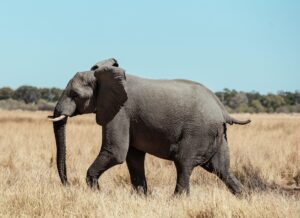
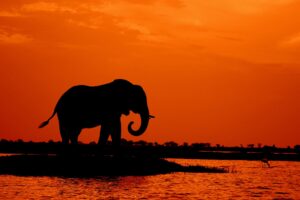
Botswana holds the world's largest elephant population, estimated around 130,000, and the Okavango Delta and Chobe support outstanding concentrations of lion, leopard, wild dog, buffalo and antelope. It is one of Africa's most important strongholds for the endangered African wild dog. Endemism is low, however, as the savanna and Kalahari fauna is shared widely across southern Africa.
Is Botswana on clean energy?
Botswana's grid is almost entirely coal-fired, with the Morupule power stations supplying close to 99 per cent of domestic generation and renewables contributing only around 2 per cent in the early 2020s. Despite this, per-capita emissions are modest at roughly 2.74 tonnes of CO2 a year because overall energy consumption remains low. The government has set a target of reaching 50 per cent renewable electricity by 2030 and plans around 1.5 GW of solar capacity backed by battery storage.
How polluted is Botswana?
Botswana banned thin plastic carrier bags in November 2018, and its very low population density means wilderness litter is limited. Air quality is moderate rather than pristine, with a modelled PM2.5 annual mean around 23 micrograms per cubic metre (World Bank, 2017), reflecting Kalahari dust and savanna burning. Policy exists but is partial rather than comprehensive.
Does recycling work in Botswana?
Botswana has no national kerbside recycling system, and formal municipal recovery is low. Some private and informal recycling of aluminium cans, PET and glass operates around Gaborone, and a plastic-bag levy has funded environmental measures. Overall recovery remains weak.
Is the farming in Botswana organic?
Botswana has no significant certified-organic sector in the FiBL/IFOAM record, and no reliable national organic-share figure is published. Much of its farming is low-input traditional cultivation and extensive cattle grazing rather than certified organic. On the certified measure the country scores at the bottom.
Are there natural materials and craft in Botswana?
Botswana basketry woven from mokola palm and dyed with natural colours, especially from the Okavango panhandle villages, is internationally renowned and remains a living, income-generating craft. Leatherwork and other traditional crafts add to the natural-materials base. There is no large textile industry, but the basket tradition is genuinely alive.
Is there living culture in Botswana?
Botswana's Community-Based Natural Resource Management programme channels safari and wildlife revenue to village trusts, giving rural communities a real stake in tourism and conservation. San (Basarwa) communities hold deep Kalahari knowledge and some run cultural tourism. The picture is not uncomplicated, as much high-end safari revenue flows to foreign operators and the displacement of San from the Central Kalahari Game Reserve remains contested.
What heritage does Botswana keep alive?
Setswana cultural life keeps traditional dance and music firmly alive, from the setapa and borankana dances to Tswana choral singing. The San (Basarwa) peoples of the Kalahari maintain living traditions that include the trance and healing dance and deep indigenous knowledge of desert ecology. Ancestral veneration of badimo, the ancestors, remains woven through community life alongside Christianity.
So is Botswana actually green? The measured answer
What is working: land protected at 27.6%.
What is not: renewable electricity at 0.2% against a 100% mark.
Botswana sits 70 of 77 at 53/100. Every name links to its own destination page, built exactly like this one. The full ranking →
What is Botswana particularly good at?
✓Heritage, scored 5/5. Setswana cultural life keeps traditional dance and music firmly alive, from the setapa and borankana dances to Tswana choral singing. The San (Basarwa) peoples of the Kalahari maintain living traditions that include the trance and healing dance and deep indigenous knowledge of desert ecology. Ancestral veneration of badimo, the ancestors, remains woven through community life alongside Christianity. UNESCO has recognised living elements such as Dikopelo folk music and the Seperu folkdance.
✓Conservation, scored 4/5. Botswana protects 27.6 per cent of its land in national parks and reserves such as Chobe, the Central Kalahari Game Reserve and Moremi (World Bank), and the conserved total rises towards 37 per cent or more once Wildlife Management Areas are counted. Enforcement is comparatively strong, backed by a well-resourced anti-poaching effort and a national economic stake in keeping wildlife alive. The Okavango Delta is a UNESCO World Heritage site.
✓Wildlife, scored 4/5. Botswana holds the world's largest elephant population, estimated around 130,000, and the Okavango Delta and Chobe support outstanding concentrations of lion, leopard, wild dog, buffalo and antelope. It is one of Africa's most important strongholds for the endangered African wild dog. Endemism is low, however, as the savanna and Kalahari fauna is shared widely across southern Africa.
Where does Botswana score worst?
✕Organic farming, scored 1/5. Botswana has no significant certified-organic sector in the FiBL/IFOAM record, and no reliable national organic-share figure is published. Much of its farming is low-input traditional cultivation and extensive cattle grazing rather than certified organic. On the certified measure the country scores at the bottom.
✕Recycling, scored 1/5. Botswana has no national kerbside recycling system, and formal municipal recovery is low. Some private and informal recycling of aluminium cans, PET and glass operates around Gaborone, and a plastic-bag levy has funded environmental measures. Overall recovery remains weak.
✕Energy, scored 1/5. Botswana's grid is almost entirely coal-fired, with the Morupule power stations supplying close to 99 per cent of domestic generation and renewables contributing only around 2 per cent in the early 2020s. Despite this, per-capita emissions are modest at roughly 3 tonnes of CO2 a year because overall energy consumption remains low. The government has set a target of reaching 50 per cent renewable electricity by 2030 and plans around 1.5 GW of solar capacity backed by battery storage. Delivery so far has been limited, so the country sits between a genuinely low emitter and a coal-dependent grid.
Similar countries doing it better and worse
TanzaniaScored on the same twelve pillars as Botswana.65
EthiopiaScored on the same twelve pillars as Botswana.70
UgandaScored on the same twelve pillars as Botswana.65
South AfricaScored on the same twelve pillars as Botswana.62
EgyptScored on the same twelve pillars as Botswana.57
SeychellesScored on the same twelve pillars as Botswana.53
A note from the lens of mother natureswipe →
Organic farming, 1/5
Botswana has no significant certified-organic sector in the FiBL/IFOAM record, and no reliable national organic-share figure is published. Much of its farming is low-input traditional cultivation and extensive cattle grazing rather than certified organic. On the certified measure the country scores at the bottom.
Consequence: It is the lowest-scoring part of Botswana's record, so it is where the score moves first.
Recycling, 1/5
Botswana has no national kerbside recycling system, and formal municipal recovery is low. Some private and informal recycling of aluminium cans, PET and glass operates around Gaborone, and a plastic-bag levy has funded environmental measures. Overall recovery remains weak.
Energy, 1/5
Botswana's grid is almost entirely coal-fired, with the Morupule power stations supplying close to 99 per cent of domestic generation and renewables contributing only around 2 per cent in the early 2020s.
The Botswana Directory.
Everything on My Ideal World that sits in Botswana, checked and listed.
How the rest of the world scores Botswana
Independent global indices, for calibration.
Forest cover
27.8
World Bank, 2024.
Protected land
27.6
World Bank, 2025.
Renewable grid
0.25
World Bank, 2021.
CO2 per person
2.7
World Bank, 2024.
Threatened species
34 (mammals, birds, fish & plants)
Recorded figure, sourced on this page.
Control of corruption
59.9 / 100
World Bank Worldwide Governance Indicators, 2025. Score from 0 to 100, where 100 is the strongest governance.
Government effectiveness
61.2 / 100
World Bank Worldwide Governance Indicators, 2025. Score from 0 to 100, where 100 is the strongest governance.
Rule of law
63.3 / 100
World Bank Worldwide Governance Indicators, 2025. Score from 0 to 100, where 100 is the strongest governance.
Political stability
84.5 / 100
World Bank Worldwide Governance Indicators, 2025. Score from 0 to 100, where 100 is the strongest governance.
Voice and accountability
65.0 / 100
World Bank Worldwide Governance Indicators, 2025. Score from 0 to 100, where 100 is the strongest governance.
Environmental Performance Index
51.8 / 100 · 38 of 177
Yale Environmental Performance Index 2026, ranked 38 of 177 countries assessed.
Ecosystem vitality
68.6 / 100 · 1 of 177
Yale Environmental Performance Index 2026, ranked 1 of 177 countries assessed.
Biodiversity and habitat
68.6 / 100 · 6 of 177
Yale Environmental Performance Index 2026, ranked 6 of 177 countries assessed.
Air quality
33.8 / 100 · 101 of 177
Yale Environmental Performance Index 2026, ranked 101 of 177 countries assessed.
Terrestrial biomes protected
82.3 / 100 · 45 of 177
Yale Environmental Performance Index 2026, ranked 45 of 177 countries assessed.
Where the numbers come from.
The institutions above are the ones cited on this page, ranked by how many of its figures they carry. This same sectioned page renders for all 77 scored destinations, each with its own researched history, comparison charts and three-way future. Read the full methodology
Every figure on this page, and where it came from: 94 sources across 32 institutions
World Bank19 FIGURES
Forest area (% of land area) AG.LND.FRST.ZS (26.29%), 2023 check
Terrestrial protected areas ER.LND.PTLD.ZS (27.6%), 2025 check
Food imports (% of merchandise imports) (16.21%), 2023 check
PM2.5 mean annual exposure EN.ATM.PM25.MC.M3 (13.24 ug/m3), 2023 check
CO2 emissions per capita EN.GHG.CO2.PC.CE.AR5, 2024 check
Electricity production from coal sources (% of total): Botswana check
Threatened species (mammals EN.MAM.THRD.NO, birds EN.BIR.THRD.NO, fish EN.FSH.THRD.NO, higher plants EN.HPT.THRD.NO), 2022 check
Renewable electricity output (% of total) EG.ELC.RNEW.ZS, 2021 check
IUCN Red List Category service (Loxodonta africana; Lycaon pictus), Endangered on the IUCN Red List, and recorded in Botswana in GBIF occurrence data (mammal). check
IUCN Red List Category service (Loxodonta africana; Lycaon pictus) corroboration check
IUCN Red List Category service (Gyps africanus; Necrosyrtes monachus; Trigonoceps occipitalis), Critically Endangered on the IUCN Red List, and recorded in Botswana in GBIF occurrence data (bird). check
IUCN Red List Category service (Gyps africanus; Necrosyrtes monachus; Trigonoceps occipitalis) corroboration check
IUCN Red List Category service (Gyps africanus; Necrosyrtes monachus; Trigonoceps occipitalis) corroboration check
IUCN Red List Category service (Gyps africanus; Necrosyrtes monachus; Trigonoceps occipitalis) corroboration check
IUCN Red List Category service (Gyps africanus; Necrosyrtes monachus; Trigonoceps occipitalis) corroboration check
IUCN Red List Category service (Gyps africanus; Necrosyrtes monachus; Trigonoceps occipitalis) corroboration check
IUCN Red List Category service (Aldrovanda vesiculosa), Endangered on the IUCN Red List, and recorded in Botswana in GBIF occurrence data (plant). check
IUCN Red List Category service (Aldrovanda vesiculosa) corroboration check
IUCN Red List Category service (Gyps africanus; Necrosyrtes monachus; Trigonoceps occipitalis) corroboration check
IUCN Red List Category service (Terathopius ecaudatus; Polemaetus bellicosus), Endangered on the IUCN Red List, and recorded in Botswana in GBIF occurrence data (bird). check
IUCN Red List Category service (Terathopius ecaudatus; Polemaetus bellicosus) corroboration check
IUCN Red List Category service (Terathopius ecaudatus; Polemaetus bellicosus) corroboration check
IUCN Red List Category service (Terathopius ecaudatus; Polemaetus bellicosus) corroboration check
Botswana Daily News (BOPA)6 FIGURES
'Plastic ban responsibility for all', 6 June 2018, Botswana banned thin plastic carrier bags in November 2018, and its very low population density means wilderne check
'Plastic ban responsibility for all', 6 June 2018 corroboration check
'Plastic ban responsibility for all', 6 June 2018 corroboration check
'Plastic ban responsibility for all', 6 June 2018 corroboration check
'Plastic ban responsibility for all', 6 June 2018 corroboration check
'Plastic ban responsibility for all', 6 June 2018 corroboration check
KAZA TFCA Secretariat6 FIGURES
KAZA Elephant Survey 2022 Fact Sheet, Botswana holds the world's largest elephant population, estimated around 130,000, and the Okavango Delta and C check
African Rock Art Image Project, Botswana country overview, Tsodilo Hills in the north-west hold around 400 rock art sites with more than 4,000 individual paintings, one check
African Rock Art Image Project, Botswana country overview corroboration check
African Rock Art Image Project, Botswana country overview corroboration check
African Rock Art Image Project, Botswana country overview corroboration check
UNESCO Intangible Cultural Heritage4 FIGURES
Dikopelo folk music of Bakgatla ba Kgafela in Kgatleng District (Botswana), UNESCO has recognised living elements such as Dikopelo folk music and the Seperu folkdance. check
Dikopelo folk music of Bakgatla ba Kgafela in Kgatleng District (Botswana) corroboration check
Dikopelo folk music of Bakgatla ba Kgafela in Kgatleng District (Botswana) corroboration check
Dikopelo folk music of Bakgatla ba Kgafela in Kgatleng District (Botswana) corroboration check
FAO GIEWS Country Brief on Botswana corroboration3 FIGUREScheck
FAO, Global Forest Resources Assessment3 FIGURES
UN SDG Global Database, forest area (% of land area) AG_LND_FRST, Botswana, 2025 (27.8%), country-reported check
UN SDG Global Database, forest area under a long-term management plan (%) AG_LND_FRSTMGT, Botswana, 2025 (10.9%), country-reported check
UN SDG Global Database, forest area inside legally established protected areas (%) AG_LND_FRSTPRCT, Botswana, 2025 (10.9%), country-reported check
BirdLife International, IUCN and UNEP-WCMC2 FIGURES
UN SDG Global Database, terrestrial Key Biodiversity Areas covered by protected areas (%) ER_PTD_TERR, Botswana, 2025 (51.2%), country-reported check
UN SDG Global Database, freshwater Key Biodiversity Areas covered by protected areas (%) ER_PTD_FRHWTR, Botswana, 2025 (52.3%), country-reported check
FAO2 FIGURES
FAOSTAT Crops and livestock products (QCL), Africa bulk file, 2024 data, By tonnage, the largest crops grown in Botswana are sorghum, watermelons and maize (FAO, FAOSTAT crop producti check
FAOSTAT Crops and livestock products (QCL), Africa bulk file, 2024 data corroboration check
Winterbach et al.2 FIGURES
'Landscape suitability in Botswana for the conservation of its six large African carnivores', PLOS ONE (2014) corroboration check
'Landscape suitability in Botswana for the conservation of its six large African carnivores', PLOS ONE (2014) corroboration check
World Bank / UNEP-WCMC2 FIGURES
Terrestrial protected areas (% of total land area), Botswana corroboration check
Terrestrial protected areas (% of total land area), Botswana corroboration check
Botswana Department of Wildlife and National Parks1 FIGURE
national protected-area and wildlife authority check
CBD1 FIGURE
Kunming-Montreal Global Biodiversity Framework Target 3 check

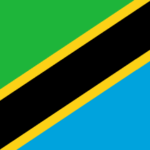 TanzaniaScored on the same twelve pillars as Botswana.65
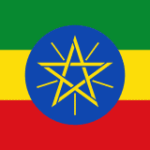 EthiopiaScored on the same twelve pillars as Botswana.70
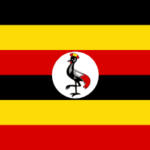 UgandaScored on the same twelve pillars as Botswana.65
 South AfricaScored on the same twelve pillars as Botswana.62
 EgyptScored on the same twelve pillars as Botswana.57
 SeychellesScored on the same twelve pillars as Botswana.53