
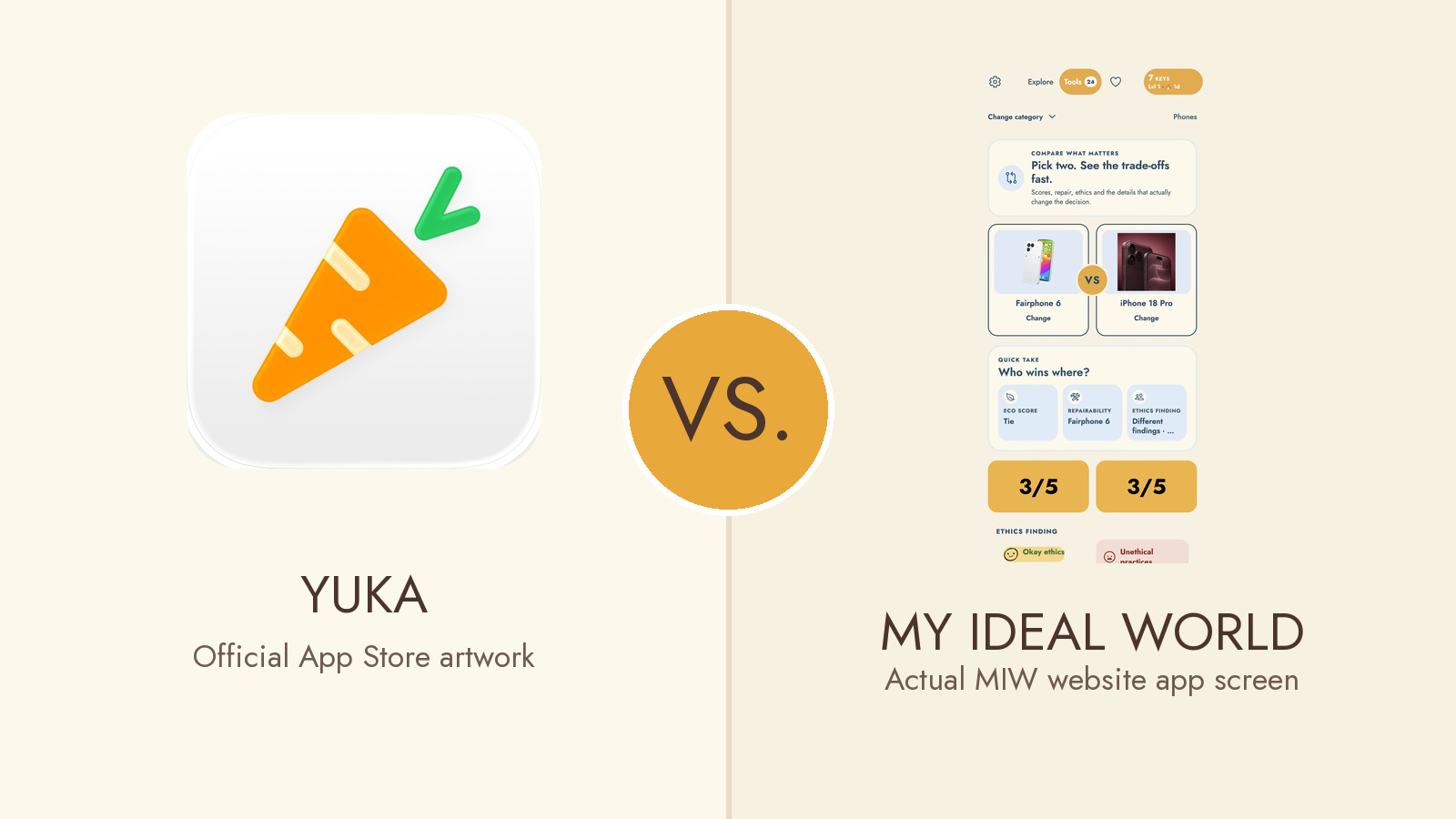
Yuka exists because somebody finally looked at a cereal box. That part I completely relate to. The surprise is not that an app can read a label. The surprise is how many of us were eating something for years without asking what the label actually said. But the minute a colour tells you what to buy, I want to know who decided what each ingredient was worth.
Julie Chapon’s cereal box is the whole story
Yuka cofounder Julie Chapon told The Washington Post she had eaten Nestlé Fitness cereal for ten years.
“When I checked the label, one quarter of this product was made with sugar.”
The revelation helped inspire the app. A cereal that looked sensible from the front had a very different story in its composition.
This is exactly the part of Yuka I value. It encourages people to turn the packaging around. But Yuka’s published food score weights nutrition, additives and organic status. Those weights are choices. My Ideal World puts purity of composition at the centre, and we need to say so without pretending the two formulas measure the same thing.
The interesting question is what happens after you discover a number you dislike. Did the manufacturer change the recipe? Was the product matched to the wrong barcode? Is the score using yesterday’s rules on today’s packaging? A reader deserves the ingredient declaration, the scoring version and the date.
Julie has also described Yuka users contacting manufacturers about additives. Collective pressure can make a company change its formula. Good. But pressure based on a mistaken product record can have consequences too. The scanner must earn the certainty it displays.
This story
Stay with this one
The opening is yours. Membership opens the rest of this story, and every other long read on the website.
3 days free, then £59.99 a year. Cancel before the trial ends and you pay nothing.
Sign in if you already have membership. Or create an account and come back to this story.