
A use-by date is a safety limit, not a suggestion. Take the food only when it is still safe and you will eat it. A best-before date is a quality guide, and a stranger’s fridge is not a shop.
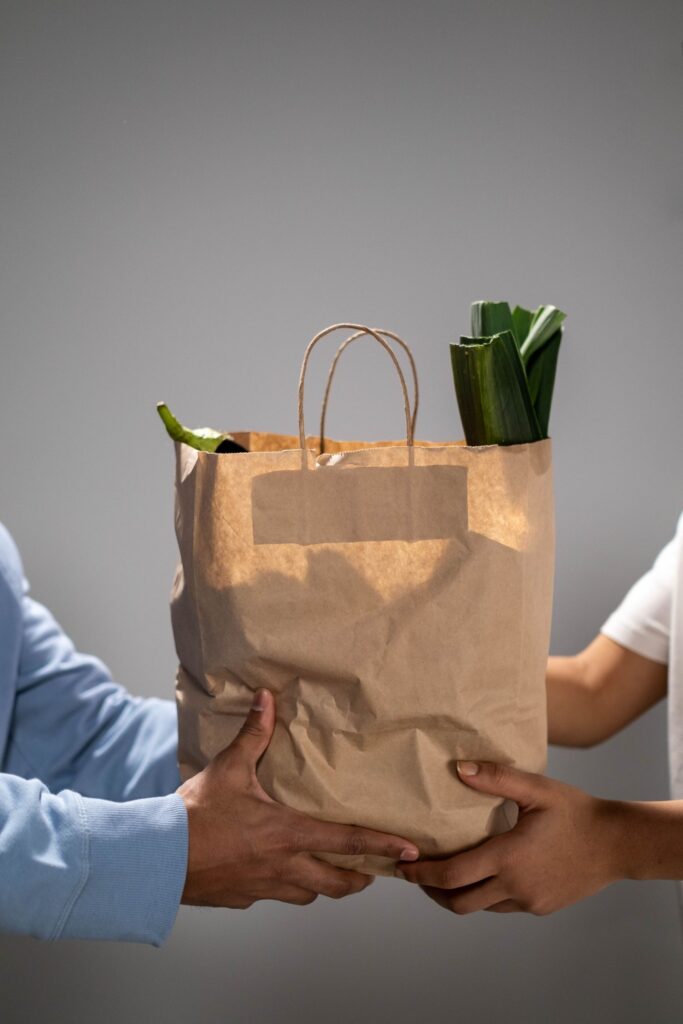
Apps, neighbours and community fridges all help good food reach people instead of the bin. They only work if you can tell a date that is about quality from a date that is about safety, and if you know what your duties are when you hand food on.
Does a surplus app stop food being wasted?
Only if you eat what you collect. Otherwise the waste has moved from the shop bin to yours.
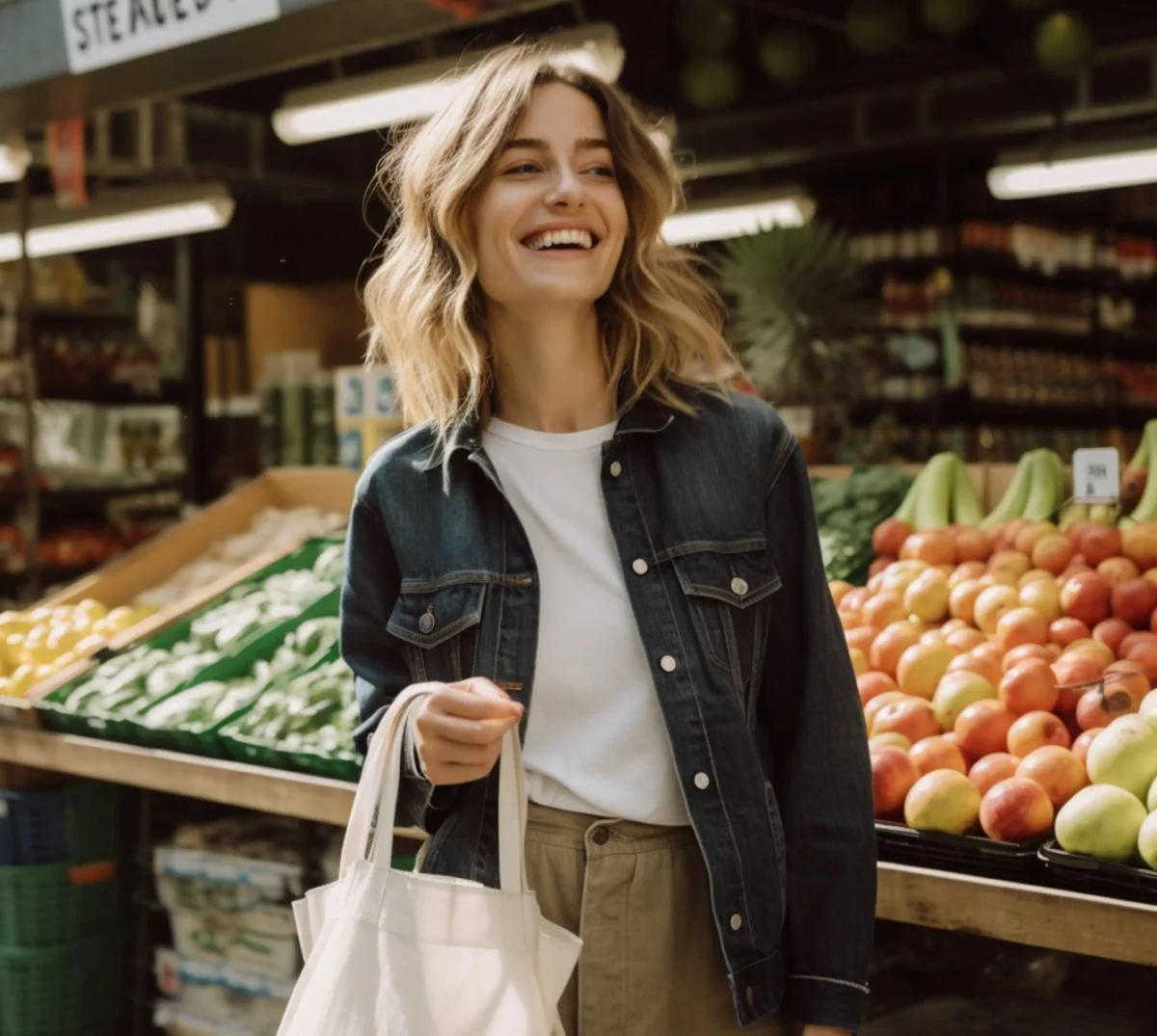
Food rescue sounds like an easy win: a shop has surplus, you collect it cheaply, and something that might have been binned gets eaten. But a lively discussion in r/ZeroWaste raised a less comfortable question: do surprise bags sometimes move the waste from the supermarket bin into somebody’s fridge? The discussion includes both criticism and people explaining how they choose bags they can use.
A discounted bag is rescued food only if somebody eats it. A discounted bag is only rescued food if somebody actually eats it. If you collect food you do not like, cannot store or cannot use before it spoils, the app has changed who pays for the waste rather than preventing it. Choose a collection because it fits a meal you already need, check the collection window and pass on anything you cannot safely store or use.
What is the difference between best before and use by?
Best before is about quality. A use by date is about safety, and food past it is treated as unsafe.
The Food Standards Agency draws the line clearly. A best before date is the period for which a food can reasonably be expected to keep its best quality. Food past that date should still be safe, though it may have got worse in taste or texture. A use-by date is for food that is highly perishable and so likely, after a short time, to pose a risk to health. The FSA’s consumer guidance is at understanding food labelling, and its 2021 review of the science is here.
“Display until” and “sell by” are for shops managing their stock. They are not safety instructions for you, so ignore them as a safety signal. Do not ignore a use-by date because the rice next to it in the cupboard was only best before. The wording is different because the risk is different.
The FSA’s guidance is that you can freeze pre packed food up to its use-by date, and that once defrosted it should be eaten within 24 hours. Freezing does not rescue food that is already past its use-by date. Defrost in the fridge rather than on a warm worktop, and do not refreeze food that has been left out. If you are pregnant, older, or live with someone who has a weakened immune system, take the cautious reading, because the FSA review flags Listeria as a continuing concern for vulnerable groups.
What are you responsible for when you pass food on?
Do not pass on food past its use by date, keep cold food cold, and say what is in it.
A surplus app, a neighbour and a community fridge are three different levels of organisation. An app may give you the shop’s allergen information and a collection window. A neighbour may offer nothing but “it’s fine”. A community fridge may have volunteers and rules, or it may be a cupboard and a hope. Read the rules of the one you use. If there are none, you are the safety check, so be stricter, not kinder.
If you are giving food away:
A use-by date is about safety, not whether food still looks appealing. Passing it on can put someone else at risk, particularly if they are pregnant, older, very young or immunocompromised.
Best-before dates are different and relate mainly to quality, but follow the packaging instructions.
Say what it is and what is in it, including any common allergens you know about. Clear ingredients help someone decide whether the food fits their diet, allergy needs and cooking plans. Include the product name, date, storage instructions and whether it has been opened; if you cannot verify ingredients or cross-contamination, say so rather than guessing.
Keep food cold if it was sold cold, and do not leave it in a car while you run another errand. A chilled item can become unsafe if it spends too long warm, even if it is later put back in a fridge. Arrange the handover directly, use an insulated bag where needed and follow the food's storage instructions.
Do not pass on food if you cannot say how it has been stored.
If you are taking food:
Check the packaging, seal and condition before accepting food. A damaged seal, swollen container, mould or food that has been left warm is a reason to refuse it.
Smell and appearance cannot prove that food is safe, so use the date and storage history as well.
Carry it home as you would carry shopping, and put it in the fridge or freezer straight away. The handover is not the end of the food safety chain. Keep chilled and frozen items at the right temperature on the journey home, separate raw food from ready to eat food, and freeze or use it according to the label rather than leaving it on the counter.
If you have a food allergy, do not eat unlabelled shared food. A neighbour may know the main ingredients but not factory cross contact or every ingredient in a packaged product. If the label is missing and the person cannot confirm what is in it, refusing is the safer decision; avoiding waste should never mean taking an allergy risk.
Allergen labelling on packaged food is a legal duty for food businesses, and the FSA page above is the place to start if a label looks wrong. A home cook is not that kind of business, which is why a homemade dish in a shared fridge needs a written ingredient list, or should stay at home.
Is shop surplus safer than a stranger’s leftovers?
A labelled product from a shop is easier to judge. A cupboard with no rules is not a shop.
Shops that sell surplus at the end of the day are easier to judge than a stranger’s leftovers, because it is still a business’s food with its label on. Ask when it came off the chill, and get it home promptly. A community fridge with posted rules, a thermometer and a named person responsible is a public service. One with none of those is a cupboard, so use the first and feel free to walk past the second.
Taking four tubs because they were free and then binning them on Thursday is not a rescue. It moves the waste to your bin. Collect what your week can hold.
If you collect for someone else, such as an older neighbour, you take on the handover. Tell them the date, the allergen gaps, and that you cannot vouch for what you did not cook. Do not strip off labels to make the box look tidy, because the label is the information.
Local food that was never surplus is a different subject. Farm shops and markets are about who grew the food and how, not about date labels. Farm shops in Bristol are one place that is about the grower. A coating you cannot wash off the produce is a different question from a date.
If the date is a use-by and it has passed, do not take it. Food and farm shops are shelves in the My Ideal World app. Set a city and it puts markets near you first. It will not judge a stranger’s fridge.
On this story
Comments, questions and answers from signed-in paid members. The conversation is shared with the app. Community contributions are not verified editorial findings.
Contribute evidence
Reviews share first-hand experience. Observations can include opinions and objections. Evidence is checked against its sources before publication. Community contributions do not change MIW scores.
Article discussions and evidence contributions are for paid members and are shared with the app.
Sign in to contribute or join the discussion Read this next
BDS Boycott Checker and How to Verify a Company
Use a BDS boycott checker with original campaign sources, current ownership evidence and clear dates. Check what a company result proves before choosing.Read the story Keep exploring
How to Spot Greenwashing: 12 Red Flags Before You Buy or Book
Spot greenwashing by checking the exact environmental claim, its scope and the source behind it. Use real evidence before buying products or booking a stay.Read the story Keep exploring