
Plant based coatings, current washing advice and the questions to ask your seller
I would personally avoid Apeel like the plague.
I like food whose story I can follow: where it grew, when it was picked and what happened between the branch and my plate.
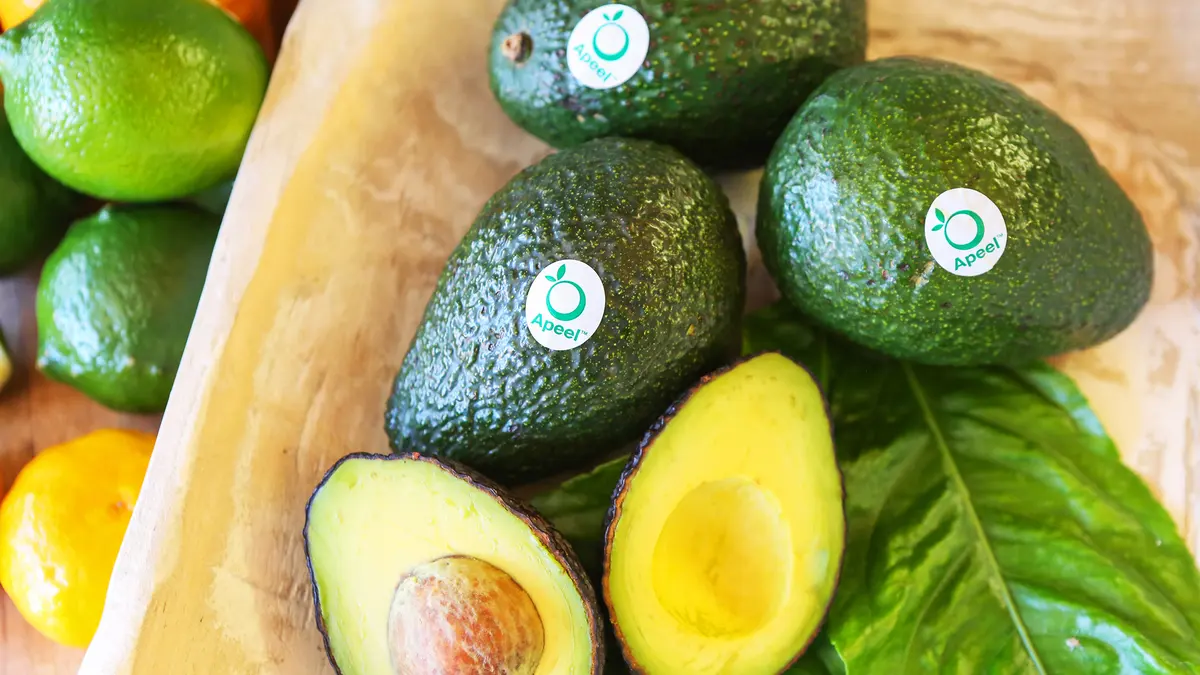
Apeel makes coatings designed to help harvested produce last longer. What is on the fruit, what does it do, and can the shopper make an informed choice?
Those questions deserve clear answers. A useful investigation separates the ingredients and regulatory record from the manufacturer’s marketing, and separates both from my preference for fresh, local food. A preference is not a toxicology finding. A shelf-life claim is not a complete picture of a food system.
What is Apeel’s coating made from?
Apeel sells coatings applied after harvest to the surface of produce. On its current product page, the company describes Edipeel, for conventional produce, as plant based mono and diglycerides. It says the additional layer helps slow moisture loss and oxidation.
Are Edipeel and Organipeel the same product?
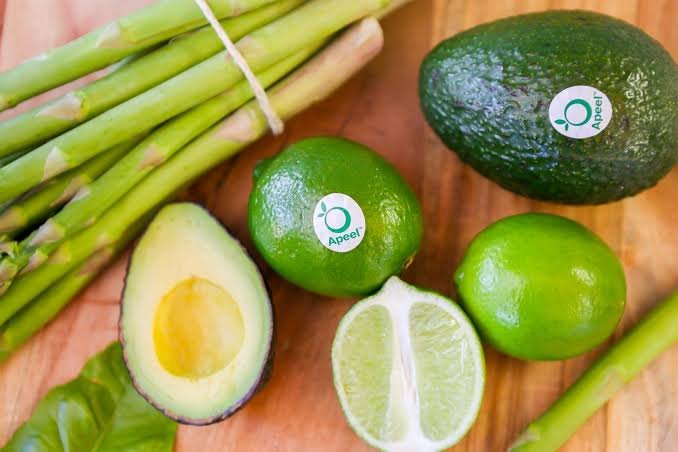
Apeel describes Organipeel, its coating for organic produce, as citric acid, baking soda, and plant based mono and diglycerides. The two product descriptions should not be treated as interchangeable. Ask which product was applied to the batch you are buying.
That purpose matters. This is a supply-chain technology, not a new variety of fruit. It changes the conditions at the surface of harvested produce. It does not turn an old fruit into a newly harvested one, and a claim about longer shelf life should not be stretched into a claim about every nutrient, every growing practice or every journey to the shop.
What does the FDA record say about Apeel?
The US FDA’s 2016 response to GRAS Notice 648 concerns Apeel’s notified monoglyceride ingredient and its intended uses. The agency raised no questions at that time about the company’s conclusion that those uses were generally recognised as safe. The letter also says the FDA had not made its own determination of the ingredient’s GRAS status. That is more precise than calling the letter a blanket approval of everything sold under the brand.
Do processing substances establish exposure on the fruit?
The notice includes manufacturing specifications and limits for residual processing substances. Their appearance in a manufacturing record is not evidence that the finished fruit contains dangerous quantities. The right questions are what substance is present in the finished product, at what level, and under which use conditions. Do not swap a list of processing chemicals for an exposure assessment.
Regulation also depends on the market and the permitted application. A US letter cannot tell you every rule for every country or every fruit. When checking a claim, identify the product, the jurisdiction and the date of the document. That is more useful than treating all coatings as one thing.
Can you wash Apeel off fruit and vegetables?
Apeel’s current washing guidance says its coatings can be removed by rinsing produce with water and gently rubbing with your hands or a soft brush. That is the manufacturer’s answer, rather than a claim that removal is impossible.
A removal test would need to state the product, fruit and method used. The guidance above does not give a measured percentage of coating removed by each possible household rinse. A patent on its own would not supply that measurement either.
How does the FDA recommend washing produce?
For ordinary produce handling, the FDA recommends plain running water, gently rubbing produce and using a clean brush on firm produce. It says soap and produce wash are not needed. Rinse before peeling so surface dirt is not carried in by the knife. This is food-hygiene guidance; it is not a test proving that every coating has been removed. Do not use household cleaning chemicals to try to strip food.
What does longer shelf life tell you about the fruit?
Less waste is a worthwhile goal. It is still fair to ask which problem a technology solves and which questions remain. A claim about appearance, firmness or spoilage does not automatically answer a question about nutrient retention. Equally, I cannot infer that nutrients have disappeared just because a coating was used. That would need evidence for the produce, storage conditions and period involved.
Does a coating establish nutrient loss?
My own preference is for food that moves through fewer hands and reaches me close to harvest. That is a preference about relationships, taste and how I want to shop. It does not make every coated fruit dangerous, or every locally grown fruit safe. The strongest version of this conversation gives people information rather than a new reason to fear eating fruit.
How can you find out whether your fruit is coated?
Ask the shop or supplier whether a coating was applied and which product was used. Check the wording on stickers, packaging and any supplier information. Appearance alone is not a reliable way to identify a treatment. If avoiding added coatings matters to you, ask for an uncoated option and seek a seller who can answer the question about that batch.
Where can you ask about harvest and handling?
A growers’ market gives you a direct conversation about harvest and handling. Ask what happened to this particular batch, rather than treating the word local as a complete answer.
The UK pick your own fruit guides and USA pick your own fruit guides help you find places to ask about picking. The farm shop stories offer another way to get closer to the people behind your food.
What information helps you choose your produce?
The point is informed choice. I want a food system where the shopper can ask what is on the fruit and get a clear answer. That means reading original documents, checking what a claim actually says and resisting both exaggerated reassurance and exaggerated alarm.
How can you keep useful details for your next shop?
Keep the seller’s answer, the product name and the source you checked. You then have something concrete to return to when a claim changes. The Apple and Arbaro article follows another claim back to the original documents, this time a company’s forestry and carbon accounting.
On this story
Comments, questions and answers from signed-in paid members. The conversation will also be available in the app when it launches. Community contributions are not verified editorial findings.
Contribute evidence
Reviews share first-hand experience. Observations can include opinions and objections. Evidence is checked against its sources before publication. Community contributions do not change MIW scores.
Article discussions and evidence contributions are for paid members. They will also be available in the app when it launches.
Sign in to contribute or join the discussion Read this next
Zero Waste and Refill Shops Work Best With a Useful Shopping List
Find zero waste and refill shops using current store details, container rules and a real basket. Compare in person refill, bulk delivery and the price per use.Read the story Keep exploring
Ethical Wildlife and Community Led Tours Need Clear Boundaries
Choose ethical wildlife and community led tours through clear viewing rules, local roles and access. Compare Barbuda, Samaná and a Guyanese community lodge.Read the story Keep exploring