

Borrow the drill, and do not open the socket. A tool for one afternoon and a washing machine that will not spin are different jobs. Know whether you need a tool for an afternoon or a repair for a machine before you buy a replacement.
Can you borrow the tool instead of buying it?
Yes, from a tool library or a neighbour, if you agree when it comes back and who pays if it breaks.
Tool libraries and borrowing networks exist so every household does not have to own a wallpaper steamer or a pressure washer for one weekend. You usually pay a membership fee or a deposit instead of the full price, return the tool and do not have to store it. The limits are practical. The tool has to be available, you have to be able to carry it, and you may be liable if you break it, so read that part before you borrow something you have never used.
Informal sharing, such as a neighbour’s ladder or a street group chat, works when expectations are clear: when it will be back, what happens if it breaks and who is insured. If the item is expensive or dangerous, put the agreement in the same message thread you used to ask.
What will a Repair Café fix?
A loose chair or a simple lamp, with a volunteer beside you. Not a socket, a cooker, or anything that lives in a wall.
Repair Café events are run by volunteers, and they are not a warranty. The organisation describes the events on its own site.
A Repair Café is for a loose chair joint, a lamp with a simple fault, or a small appliance you want to understand before you buy another.
You work alongside volunteers rather than handing the item over as you would to a paid repair shop, and there is no guarantee it can be fixed. Check the event’s accepted items and safety limits first; gas appliances, mains electrical work and safety critical equipment may need a qualified professional.
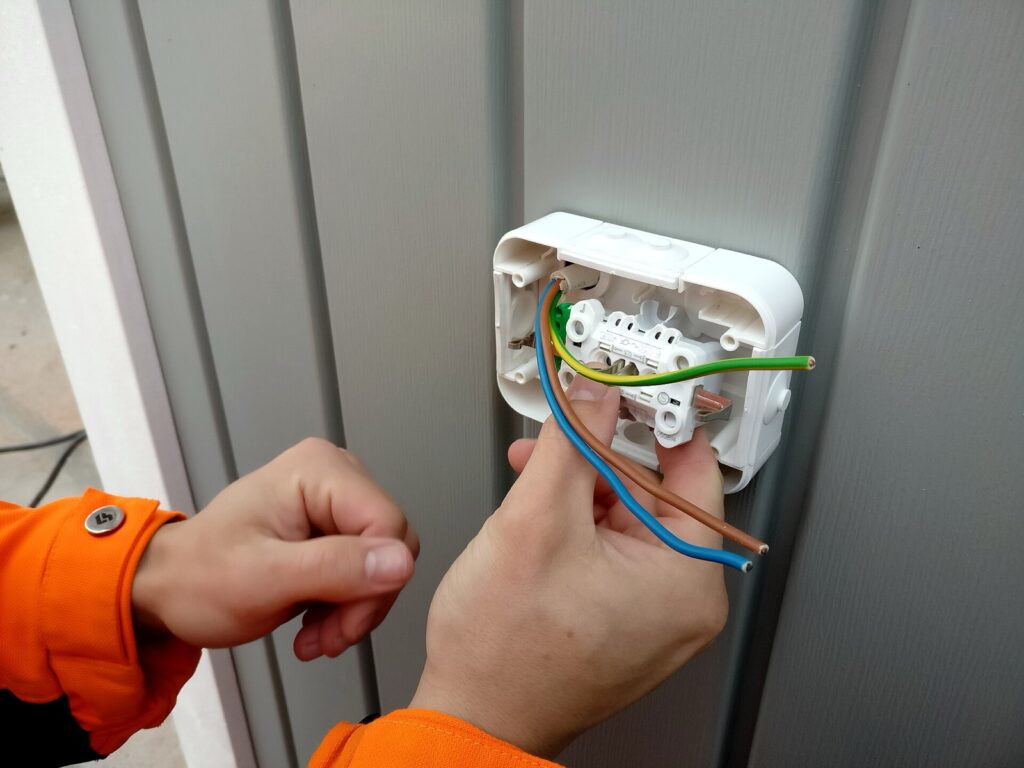
Find a local event and read its house rules. Take the item in a state you can carry home again if it cannot be fixed. Ask before agreeing to any repair that involves the mains. Electrical Safety First says almost half of domestic fires are caused by electricity, which is why a cheerful volunteer and a screwdriver are not a plan for a socket, a cooker or anything that gets hot and lives in a wall. If you do not know how to make something dead and prove it, do not repair it. Book a qualified person.
Should you borrow, repair, rent or buy?
Price the repair, a sound used replacement, a hire for the days you need, and a new one you would actually keep.
What would a professional repair cost, including the call out? The call out price stops a cheap looking repair becoming expensive once travel, diagnosis and parts are included. It is especially important for boilers, electrical faults, appliances under warranty and anything involving gas or mains power; use a qualified professional where safety or regulation requires one.
A used replacement can be better value when the repair is close to the price of another reliable item. Compare the exact model, condition, age, return rights and availability of spare parts, not just the cheapest listing.
A used tool with a worn battery may cost more after you replace it.
What would borrowing or renting cost for the days you need it? Borrowing or renting makes sense for equipment used once or twice a year, such as a carpet cleaner, drill or pressure washer.
Include collection, delivery, deposit, damage liability and the time window; a low daily price is not useful if you cannot return it before the shop closes.
What would a new one cost, and how long would you keep it? A new purchase may be sensible when the item is safety critical, heavily used or impossible to repair economically. Compare durability, repairability, warranty and running costs, then divide the total by the years you realistically expect to use it.
The cheapest upfront option is not always the cheapest over its life.
Rough prices are there so you can see which reason you are using. If a repair costs more than half the price of a sound used replacement and the item is old, repairing can still be right, for example because you like the object or the new version is worse. The numbers are there so you notice which reason you are using.
Hiring sits between borrowing and buying. A floor sander for a weekend is a hire. A drill you will use every month for years is a purchase, after you have used a borrowed one and know what you need. Hire shops usually take a deposit and charge for damage and late returns. Photograph the tool at collection, as you would a hire car, to avoid an argument about a scratch that was already there.
What can you safely fix yourself?
A loose screw, a hem, or a bicycle brake you then test. Stop if the object gets hot, holds pressure or plugs into the wall.
Watch someone do it once, at a café or in the manufacturer’s guide, and do it while you can still undo it. Glue is not a repair for a load bearing joint, and tape is not a repair for a cable.
Design choices make some repairs hard. A coffee machine with a sealed boiler, a printer that rejects third party parts, or a vacuum whose battery the maker will not sell are all examples. You are allowed to be annoyed. That does not make a risky repair safer. A phone can be repaired, or bought used. Clothes can be mended, or passed on if someone will wear them. Do not use either approach on a toaster that is sparking.
When an item is finished, anything with a plug or a battery is waste electrical equipment, not general rubbish. Find your council and look up how it handles small electricals.
Borrow what you need once, and leave the mains to someone qualified. The My Ideal World app will not lend you a drill. It lets you look at products and brands, and at farm shops and stays, before you buy the thing for a single afternoon.
Why is a repair harder to get than it used to be?
Parts, a manual and someone willing to look at the item decide whether it is still worth keeping.
A recent r/BuyItForLife discussion described a microwave owner who had kept a machine running for more than 20 years through a handful of repairs. Another contributor said repairability had started to feel like a premium feature rather than something buyers should expect. Read the discussion. This is the point of borrowing or repairing before buying: the object may still do its job, but parts, manuals and repair access can determine whether it stays useful. Before replacing something, check whether the fault is small, whether a local repairer can assess it and whether you can borrow the tool or item you only need once.
On this story
Comments, questions and answers from signed-in paid members. The conversation is shared with the app. Community contributions are not verified editorial findings.
Contribute evidence
Reviews share first-hand experience. Observations can include opinions and objections. Evidence is checked against its sources before publication. Community contributions do not change MIW scores.
Article discussions and evidence contributions are for paid members and are shared with the app.
Sign in to contribute or join the discussion Read this next
How to Spot Greenwashing: 12 Red Flags Before You Buy or Book
Spot greenwashing by checking the exact environmental claim, its scope and the source behind it. Use real evidence before buying products or booking a stay.Read the story Keep exploring
How to Tell if a Brand Is Really Sustainable Before You Buy
Check whether a brand is sustainable using product materials, named sources and certification scope. Find the evidence behind its claims before you buy.Read the story Keep exploring