
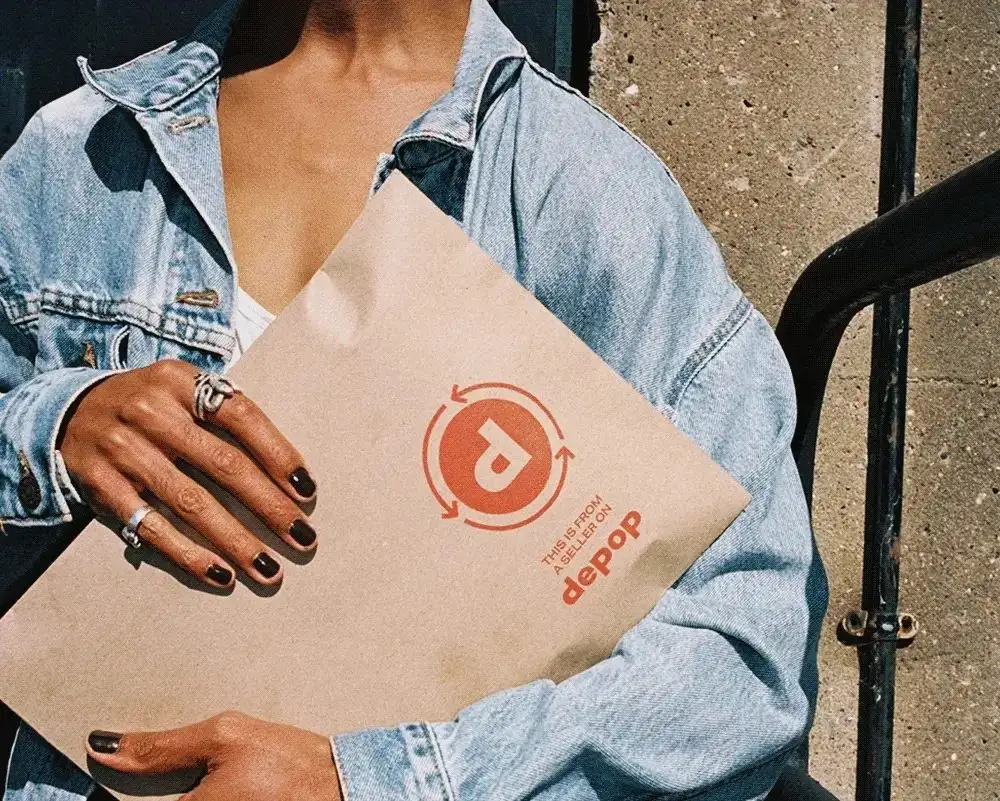
Donating a bag of clothes is not the same as those clothes being worn again. Pass clothes on only when someone else will wear them. Buying less, keeping what you have and mending it does more than a donation bag.


Where does most of the impact of a garment happen?
Before you own it. Keeping a sound coat for years beats a clever way of disposing of one you wore twice.
Clothes are made in volumes the second hand market cannot absorb as wearable clothing. Low prices often depend on thin cloth, weak seams and styles meant to look dated next year. Once a garment exists, the best outcome is that it is worn for a long time by somebody. The next best is that the fibre is recovered, which is harder than the recycling symbol suggests and does not undo the making. The decisions you control most are what you buy next and how long you keep what you already have.
Does mending add years?
Yes, if you sew the button this week and wash at the temperature on the label.
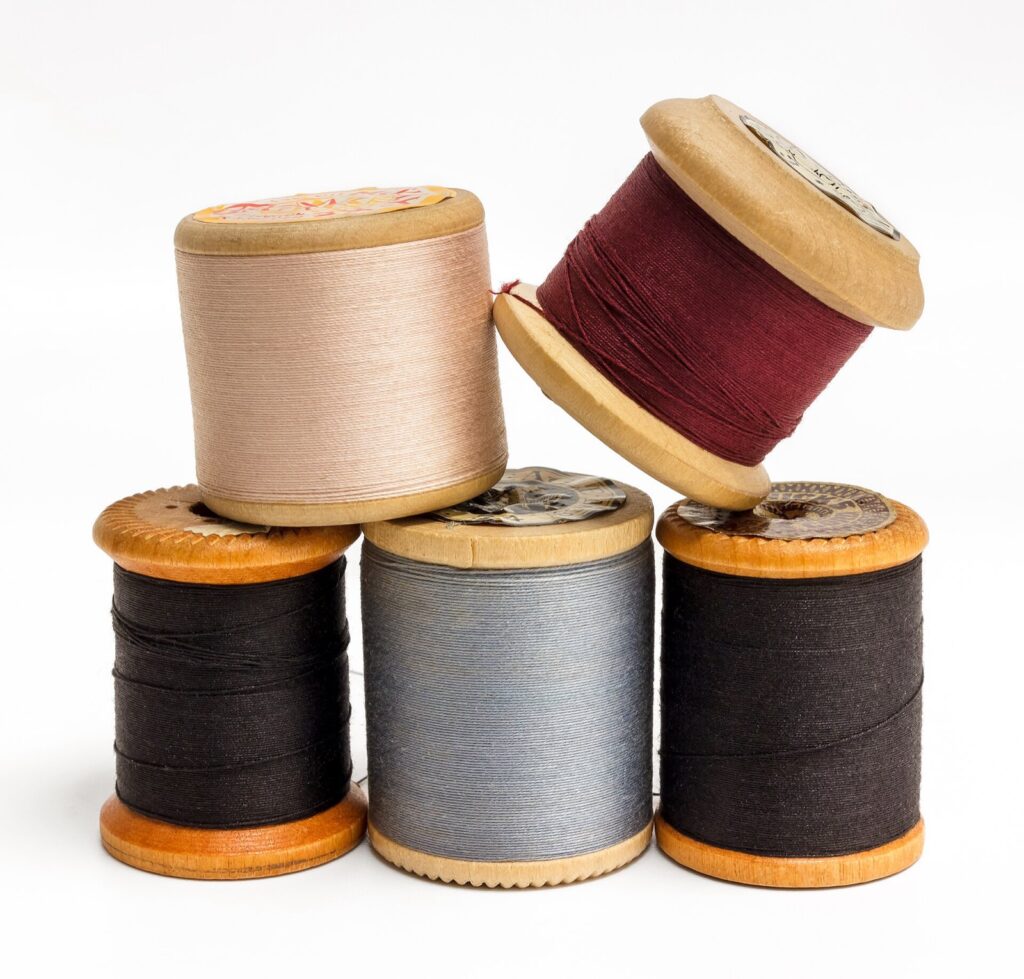
Wash less often than habit suggests, and at the temperature the label says the cloth can take. Hot washes shrink and fade clothes that did not need them. Air jumpers between wears. Mend a button this week rather than next month, because a missing button is how a shirt moves from “for work” to “for the bag”. A tailor who takes in a waistband is often cheaper than the replacement you were about to justify, and the cloth is worth working on while it is sound.
Mending is half an hour, not a craft identity. A button needs a needle, thread that matches reasonably well and a knot on the inside. A dropped hem needs the same, or a tailor if the cloth is expensive. A hole in a knit can be darned if you care about the jumper. What does not help is keeping a “to mend” bag for two years. Either sew it this month or accept the piece is finished.
Moths, damp and a cramped wardrobe destroy more clothes than missing buttons. Clean what you store and do not put damp wool away. If a shirt has not been worn in a year, ask whether you or someone else will wear it as it is. If not, it is a candidate to leave your wardrobe.
When is passing clothes on worth doing?
When the next person will wear them. A donation the shop cannot sell is not a rescue.
Resale works when the garment is clean, honestly described and priced so someone will buy it. Resale is useful for a well-made coat, dress or pair of shoes that still has years of wear left, because it can reach someone actively looking for that item.
Photograph flaws, give accurate measurements and include the fabric label; vague sizing or hidden damage leads to returns and wasted postage. Account for platform fees, packaging and the time spent listing.
Swaps work when you would actually wear what you bring home. A swap can refresh a wardrobe without buying new, but only if the event attracts people with similar sizes, needs and taste. Bring clean items in wearable condition and be realistic about what you will use; taking home five things because they are free simply moves the clutter from one wardrobe to another.
Charity shops work when the shop wants what you are offering and can sell it. A donation helps when the item is clean, saleable and suited to the shop's current stock. Unsuitable donations create sorting, storage and disposal costs, so check the shop's accepted-items list before carrying bags across town.
Ask whether it takes shoes, underwear, damaged textiles or seasonal items.
What happens after a donation is not simply a local rail of clothes. Shops sell what they can, and unsold stock can be sold on in bales, which is a large trade. That is no guarantee that a T-shirt is worn again rather than discarded. Donating is reasonable when a garment is wearable and the organisation wants it. It is not a recycling service, and it does not cancel out buying more. Making something new from old cloth is work. It is not what happens to a mixed bag of clothes when it leaves your house.

Can the clothes be recycled?
Only as a fallback for cloth that can no longer be worn. A take back box is a collection scheme, not a new shirt.
Fibre-to-fibre recycling exists, but it is not the same as a kerbside bin. Mixed fibres, elastane, linings, zips and contamination make a lot of clothing unsuitable for the processes that exist. Read the rules on a shop box, keep clothes dry and clean, and do not treat the box as proof the cloth has a next life. WRAP, the charity that works on textiles in Britain, explains what collection and recycling can and cannot do in its guidance on clothing.
If a piece is truly finished, cut it into rags if you will use them, or follow your council’s textile instructions. Your council sets the rules for your bin.
What about clothes a child grows out of?
Pass them on while someone can still wear them. A car seat is not clothing.
Those clothes move faster than an adult coat. Rent the coats and toys they outgrow. A snowsuit and a school shirt can go to the next child. A car seat does not belong in the donation bag.
Wear it, mend it, or pass it to someone who will wear it. The clothing shelf in the My Ideal World app is for brands and materials, which is the useful look before another garment joins the rail.
What does taking care of a garment look like?
A cooler wash, a proper hanging and an early repair stop it becoming waste.
In a r/BuyItForLife discussion, one contributor summed up the value of care in a short line: “take care of it and it will take care of you.” Read the discussion. The point is not to turn every old T-shirt into a project. It is to stop treating a usable garment as disposable simply because it is no longer new.
On this story
Comments, questions and answers from signed-in paid members. The conversation is shared with the app. Community contributions are not verified editorial findings.
Contribute evidence
Reviews share first-hand experience. Observations can include opinions and objections. Evidence is checked against its sources before publication. Community contributions do not change MIW scores.
Article discussions and evidence contributions are for paid members and are shared with the app.
Sign in to contribute or join the discussion Read this next
Best Sustainable Fashion Apps for Buying Less
Best sustainable fashion apps in 2026 for ethical brands, resale, repairs and natural fibres. Compare what each app can really verify. Compare the trade-offs.Read the story Keep exploring
Rent the clothes children outgrow
A coat can be outgrown in a season. Rent the clothes children outgrow. For a car seat or a helmet, you need the history, and a shrug is…Read the story Keep exploring