
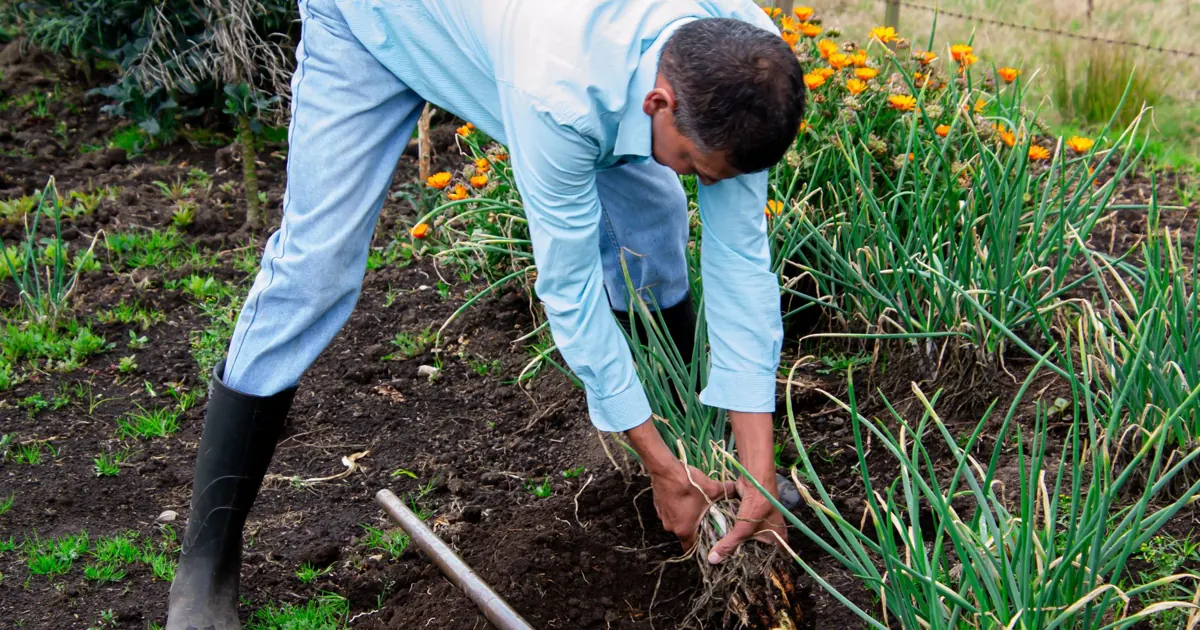
Food sovereignty films can leave you hungry and still tell you very little about who controls the system. Beautiful produce is only the beginning of that question.
I want to know who can use the land, who makes the decisions and who gets to eat. Those questions make food sovereignty more interesting than another shopping label.
Three films in My Ideal World’s Watch collection give you different places to begin. A public food forest, a cacao maker and a community food space show parts of growing, making and sharing food.
They are not three complete audits of the food system. A filmed conversation cannot establish every wage, land agreement or growing practice beyond what was actually documented.
Use these food sovereignty films to meet the people and sharpen the next question. Then follow the project, the ingredients and the records beyond the screen.
What does food sovereignty add to a food film?
Food sovereignty asks who has the power to shape food and agriculture. The food sovereignty material catalogued by FAO connects that question with communities, farmers and the systems that support their choices.
Food being available is one question. Who decides what is grown, who has land access and whose knowledge counts are further questions. A supermarket full of products does not answer all of them.
That is why I would watch for decision making as well as ingredients. Who speaks in the film? Who is doing the work? Does the story explain how people participate, or does the camera mainly follow the finished plate?
You do not have to settle the whole debate before watching. Start with one visible arrangement, understand how it works and keep its limits attached to the story.
What can a public food forest show?
Start with Food Forest Downtown, filmed at Festival Beach Food Forest in Austin. The entry follows volunteers, a fundraising event, a tour of the plants and conversations with people involved in the project.
Festival Beach describes itself as an edible forest garden on public land beside Lady Bird Lake. Its own website says visitors can forage and identifies education, community events and volunteer work as parts of the project.
That makes access a useful question to carry into the film. How do people find out what can be harvested? Who maintains the space? How is work shared when access to the food is open?
The visible garden can show an alternative use of urban land. It cannot, by itself, tell you how much food an entire neighbourhood receives over a year or prove a measured reduction in food insecurity. Those outcomes need their own records.
Is a food forest the same as regenerative farming?
Keep the growing system and the claimed results separate. FAO describes agroforestry as deliberately integrating trees and other woody plants with crops or agricultural systems, with interactions between those components.
A food forest can help you picture layers of edible planting. Calling a site regenerative introduces further questions about what is being restored, how it is managed and what is measured over time.
Ask for the evidence that fits the particular result. A planting plan can explain the design, while soil change, biodiversity and harvest outcomes each require a suitable method and a time period. A camera shot of healthy leaves cannot substitute for those measurements.
What changes when the film follows a chocolate maker?
In But First Cacao, the subject moves to chocolate making in Tbilisi, Georgia. The published entry features chocolate expert Victoria Dim explaining technical aspects of chocolate and how to taste it.
Watch for what the maker actually explains about the product. Processing, ingredients and tasting can help you understand a bar more closely than a broad craft or ethical label.
Then separate the finished chocolate from the growing story behind its cacao. A maker’s location does not establish the origin of the beans, and a tasting demonstration does not establish working conditions at the farm.
If sourcing is the reason you are choosing a bar, look for named origins, suppliers and the evidence supporting labour or price claims. A film can point you towards the next record without pretending it has already answered every supply chain question.
What can a community kitchen tell us about eating together?
The Casa De Luz film returns to Austin and a food centred community space. Its published description presents a canteen style setting alongside activities and other spaces on site.
Use it to think about the part of food that happens after growing and making. Where can people sit, eat and meet? What makes a shared meal accessible, and what practical arrangements keep the place operating?
A welcoming atmosphere matters, but it is not a substitute for checking the current menu, price, access arrangements or ingredient needs before visiting. The film documents a story at a point in time, while your visit needs today’s information.
I would also keep the community story separate from any health claim. A particular meal or setting can be meaningful to people without proving that it treats a condition or suits every person’s dietary needs.
How would I watch the three films together?
Watch the food forest first for the growing space, then the cacao maker for the transformation of an ingredient, then Casa De Luz for the place where food becomes a meal. That sequence follows three parts of a food system without pretending they are one supply chain.
For each film, write down one observed detail, one statement made by a participant and one unanswered question. Keeping those apart helps you enjoy the storytelling while being precise about what you learned.
A participant’s explanation is valuable evidence of their perspective. A measurement, contract or independently checked record supports a different kind of conclusion. The strongest discussion makes room for both and identifies which one it is using.
The unanswered questions might be the most useful part of the evening. You can discuss land access after the first film, ingredient sourcing after the second and the practical cost of a shared food space after the third.
What can you do after watching?
Choose one local connection you can investigate. That might be a public growing project, a producer collection or a maker willing to explain where an ingredient comes from.
Check the project’s current invitation before arriving or harvesting anything. A film showing volunteers at an event does not establish that every activity is open every day.
Continue through our local food app comparison and My Ideal World. The point is to turn curiosity into a more informed relationship with the people growing, making and sharing your food.
Sources and further reading
Festival Beach Food Forest official project, access and volunteer information
FAO Family Farming Knowledge Platform entry on food sovereignty systems
FAO overview of agroforestry and its context
Sources and resource pages reviewed on 17 November 2026. Check current access, offers and operating arrangements before making a purchase or journey.
On this story
Comments, questions and answers from signed-in paid members. The conversation will also be available in the app when it launches. Community contributions are not verified editorial findings.
Contribute evidence
Reviews share first-hand experience. Observations can include opinions and objections. Evidence is checked against its sources before publication. Community contributions do not change MIW scores.
Article discussions and evidence contributions are for paid members. They will also be available in the app when it launches.
Sign in to contribute or join the discussion Read this next
Regenerative Farming and Food Sovereignty Podcasts
Find regenerative farming and food sovereignty podcasts that put growers, seeds and land at the centre. Choose a series and follow its evidence into shopping.Read the story Keep exploring
Veg Box Subscriptions Compared for Organic, Local and Wonky Produce
Compare organic, local and wonky veg box subscriptions with real UK examples. Check current prices, delivery, origins and gift rules before choosing your box.Read the story Keep exploring