
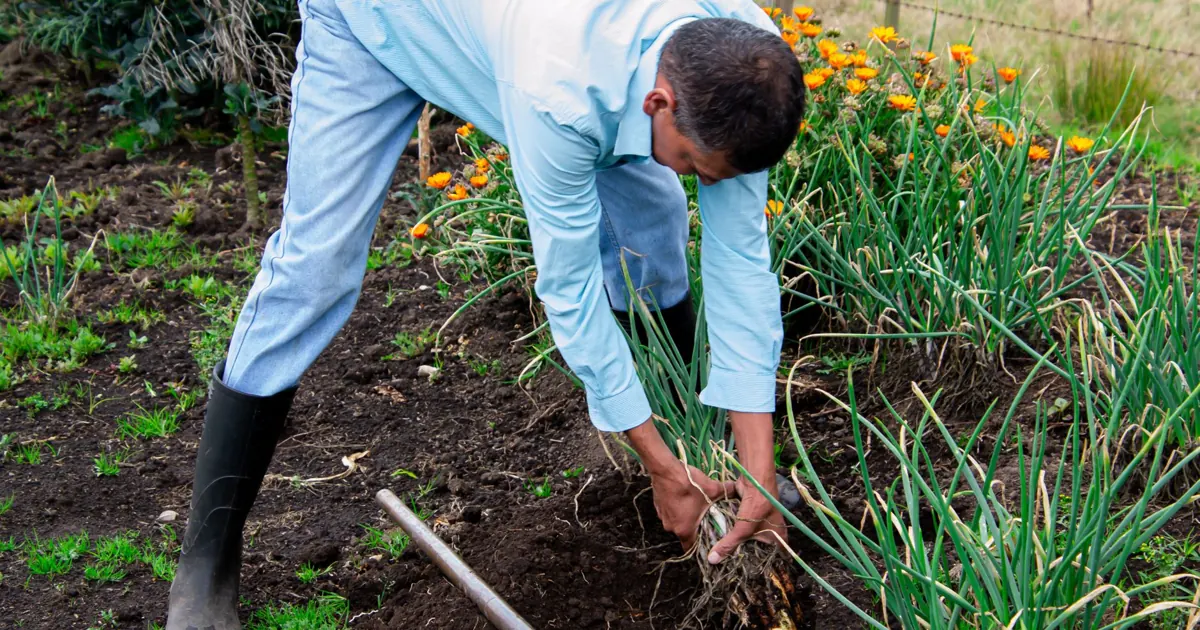
Regenerative farming and food sovereignty podcasts become useful when somebody actually gets to speak about their land. A beautiful description of soil leaves plenty of questions unanswered.
I want to hear who decides what gets grown, who has access to seed and how food reaches the people who need it. Those questions are wider than the label on a bag of vegetables.
Farmerama gives us several ways into that conversation. Its own series pages identify the producers, themes and contributors, so you can choose an entry point rather than scroll through an enormous feed.
These are selections from the published programmes and their supporting pages. I am not presenting an interview as an independent audit of every farm mentioned, or pretending a British growing calendar applies to the Caribbean.
Start with the part of the food system you want to see more clearly, then keep one question to take to a real grower.
Start with Who Feeds Us for people and local food provision
Farmerama’s Who Feeds Us follows food provision during the UK pandemic period. Its contributors include growers, community organisers, millers and people working across different parts of the food system. That historical setting matters when you hear descriptions of shortages and emergency responses.
The series page provides individual episodes rather than a vague recommendation to listen to everything. Growing Our Own is a useful starting point if your question begins with seeds. Whole Meal follows the connections between grain, milling and bread. Cultivating Abundance approaches land and community through experiences in the West Midlands.
I would choose one of those questions before pressing play. Keep the producer’s account separate from the conclusion you want to draw. An account of neighbours organising food during lockdown does not establish what a shop stocks today or what every household can afford.
After listening, map the equivalent connection where you live. Who grows a staple you eat? Is there a mill, collection point or shared growing space nearby? The practical outcome can be one new contact rather than an entirely different shopping routine.
Choose Cereal when you want to follow one food through a system
Cereal is Farmerama’s six part 2019 series following grain from seed through farming, milling and bread. Its published sequence makes the supply chain visible. You can stay with one food while the people and decisions around it change.
For a first session, choose the stage you know least about. The Miller Is Missing is an entry point into processing. Grain Futures turns towards the organisation of a different grain system. These are older episodes, so treat any prices, business arrangements or policy references as dated.
The question I would write beside the episode is simple. What information disappears between the field and the product I buy? A flour bag might name a mill without telling you which farm grew the grain. A bakery might explain fermentation while offering little detail on sourcing.
You do not need to turn that missing information into an accusation. Ask the bakery which questions it can answer and which records it receives from its supplier. A clear limit is more helpful than a story that sounds complete because nobody asked about the gaps.
Listen to Cultivating Justice when land access is the question
Cultivating Justice is a six part collaboration involving Farmerama, Land in Our Names and Out on the Land. The programme brings together Black people, people of colour, trans people and queer people discussing growing, identity and their relationships with land.
That is a different entry point from a practical sowing lesson. It makes space for who can participate in land work and whose experience gets treated as belonging there. Keep that scope in view instead of expecting a single definition of regenerative farming from every contributor.
For a listening group, let each person identify one question about access before discussing consumer choices. A household changing its vegetable order and a community gaining secure growing space operate at different scales. Both can matter without one being offered as a substitute for the other.
I would also keep the contributors’ descriptions attached to their particular experiences. A series can introduce a perspective that you have not heard without becoming a universal account of every place or identity it includes.
How do these programmes connect with food sovereignty?
Food sovereignty asks about people’s ability to shape their food systems. In these listening selections, the useful connection is the attention to seed, land, production and community decisions. The phrase should open those questions rather than turn into another attractive badge.
Our farm walk with Muffy in Jamaica offers a different geographical starting point. He talks about saving callaloo seed and tending crops after hurricane damage. Those are his observations on that farm, rather than proof that every crop or seed behaves the same way.
I would put that field account beside the podcast, then ask what is shared and what differs. Access to suitable seed can matter in both places. The climate, land arrangements and outlets for the harvest still need their own explanation.
How should you check a farming claim heard in a podcast?
Keep the exact claim, speaker and episode date together. If a guest describes a particular soil practice, find out whether they are reporting a measured outcome, explaining an aim or describing something they have seen. Those are different kinds of evidence.
For a numerical claim, look for the linked study or report and check what was measured. A result for one crop, region or growing period cannot automatically describe a whole food system. If the notes do not provide a source, leave the claim open while you look for one.
The My Ideal World Claim Checker can help you organise the sentence and the evidence attached to it. It does not independently inspect the farm or certify the podcast guest. Its value is keeping your next question clear.
Turn one episode into a better food question
Choose a food you already buy and trace the first connection you can actually verify. Ask which farm grew it, where it was processed and who can explain the farming method. There may be a helpful answer even when a seller cannot provide the complete chain.
Our local farm and farm shop guide can help you find a starting point. A listing is an invitation to check the details, rather than an assurance that every product sold there was grown on site.
Keep the question in your My Ideal World account research and return to it when the answer arrives. I want listening to bring the people behind our food into view. The next step is giving their work more attention than the supermarket shelf usually allows.
Sources and further reading
Farmerama Who Feeds Us series and episode pages
Farmerama Cereal series and episode pages
Farmerama Cultivating Justice programme
Farmerama on its editorial approach
Sources and resource pages reviewed on 17 November 2026. Check current access, offers and operating arrangements before making a purchase or journey.
On this story
Comments, questions and answers from signed-in paid members. The conversation is shared with the app. Community contributions are not verified editorial findings.
Contribute evidence
Reviews share first-hand experience. Observations can include opinions and objections. Evidence is checked against its sources before publication. Community contributions do not change MIW scores.
Article discussions and evidence contributions are for paid members and are shared with the app.
Sign in to contribute or join the discussion Read this next
Veg Box Subscriptions Compared for Organic, Local and Wonky Produce
Compare organic, local and wonky veg box subscriptions with real UK examples. Check current prices, delivery, origins and gift rules before choosing your box.Read the story Keep exploring
Food Sovereignty Films Start With Who Gets to Grow and Eat
Explore food sovereignty films through a public food forest, a cacao maker and an Austin community kitchen. Meet the people and check what each film can show.Read the story Keep exploring