
Peter’s Dominica connections, the Trinitario name and the maker he calls Blue Boy
In our recorded conversation, Peter explained how his time in Dominica led to the cocoa he used at Antigua House of Chocolate.
How did Peter’s Dominica connections lead to Antigua House of Chocolate?
Peter traced the cocoa supply to people he had met in Dominica.
What did Peter remember about his earlier time in Dominica?
I had the pleasure and privilege to live in Dominica forty-six years ago when I came to the Caribbean as a young man looking for adventure, and I made a lot of friends and contacts there in my two-year tenure in Dominica at the time.
Those were Peter’s recollections in the interview. The House of Chocolate website continues to identify Caribbean and Dominica cocoa.
How did Peter describe consolidating the cocoa shipments?
This is now consolidated of about two or three shipments.
Where does Trinitario fit into Peter’s Caribbean cocoa story?
Peter connected the beans with Trinidad’s cocoa history.
How did Peter connect the cocoa beans with Trinidad?
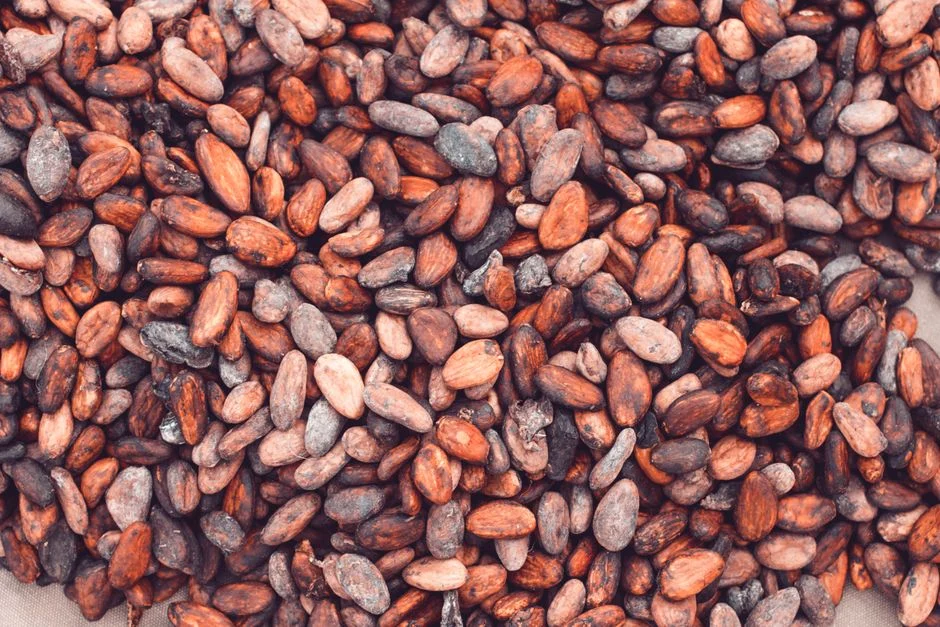
Peter described the Caribbean beans he used as Trinitario and referred to their development in eighteenth-century Trinidad.
How does the University of the West Indies explain Trinitario’s origins?
The University of the West Indies’ cocoa history describes Trinitario as a hybrid of Criollo and Forastero. Its account traces the introduction of Forastero after a 1727 loss of Criollo, followed by the hybrid’s development in Trinidad. This gives the regional history behind the name Peter used.
Who taught Peter about making chocolate in Dominica?
Peter learned from the maker he called Blue Boy.
How did Peter describe working with Blue Boy?
His name is Blue Boy, which is probably one of the oldest chocolate makers in the Caribbean. And I had the privilege to meet and work with him in Dominica, get to know some of his insights, and we do a lot of things following his advice to make one hundred percent organic, artisan, healthy chocolate.
Peter was describing the chocolate he wanted to make and the person who had guided him. He brought that approach to Antigua.
What did Peter want cocoa growing to offer Caribbean farmers?
Dominica is the perfect example, but we have good cocoa and chocolates in St. Lucia and Saint Vincent and Grenada, and they do very, very good chocolates there as well.
And I’d like to be involved in helping to create that growth and benefit our local farmers and cocoa growers, to make it into something that would cause a sustainable income for them and their families.
Follow the beans into Peter’s factory tour, or try Victoria’s way of tasting chocolate, my loves.
Explore food and makers in My Ideal World
On this story
Comments, questions and answers from signed-in paid members. The conversation is shared with the app. Community contributions are not verified editorial findings.
Contribute evidence
Reviews share first-hand experience. Observations can include opinions and objections. Evidence is checked against its sources before publication. Community contributions do not change MIW scores.
Article discussions and evidence contributions are for paid members and are shared with the app.
Sign in to contribute or join the discussion Read this next
Why Peter Was in No Hurry to Scale His Chocolate
Peter describes Antigua House of Chocolate’s small production, possible expansion and the care and self-questioning he wanted to bring to business.Read the story Keep exploring
What Your Quality Street Tin Does Not Tell You About Nestlé
Does Quality Street contain palm oil? The UK 700g tin lists palm and shea. Check the ingredients, Nestlé’s sourcing claims and what the documents establish.Read the story Keep exploring