

Seven day slow travel in the Caribbean needs room for more than transfers. You land, pack again, change islands and spend the next morning arranging another journey.
I would rather give that time to one place. A market, a grower and a meal you return for can tell you more than a list of beaches crossed off from a taxi.
Our existing Antigua, Jamaica and Dominican Republic itineraries start with actual places in My Ideal World’s reporting. They give you something concrete to investigate instead of a route assembled from attractive photographs.
That does not make every stop available on your dates. Hosts, opening arrangements, roads and transport need a current check, and a published itinerary is not a live reservation system.
For seven day slow travel in the Caribbean, my test is whether the week leaves room to stay somewhere. Choose one island, protect the arrival and departure days, and build the middle around the people you want to meet.
Which island fits the week you actually have?
Start with the flight and your usable days. A late arrival and an early departure leave a different week from seven full days on the ground, even when the booking confirmation shows seven nights.
Antigua is the clearest fit here for one base and a week organised around food, gardens and makers. Our slow week in Antigua connects a garden stay with market visits, a plant based ital meal and local businesses.
Jamaica suits a week in which you choose a region deliberately. Negril and Kingston are different bases with different food and cultural possibilities. The Jamaica Tourist Board lists intercity coach options, but you still need to confirm the service, station and time for your journey.
The Dominican Republic also needs a regional decision. A north coast stay and a Santo Domingo chocolate visit belong in a route with an explicit transfer plan. Put both on a map before treating them as an easy pair of neighbouring stops.
How would I build the seven days?
Use the following Antigua structure as a planning sequence rather than a promise of booked activities. Confirm the stay, meal and visits first, then move days around the hosts’ actual availability.
Keep one main commitment per day. A nearby meal or short walk can fit around it, but filling every gap removes the very time you came for.
What belongs on day one?
Arrive and settle into your base. Our published route uses Lamblion Apartments in Sea View Farm, where the garden is part of the story, rather than asking you to change hotels each night.
Ask the hosts about the garden arrangements and any tour before assuming you can pick what you see. Then sort out drinking water, the next day’s transport and somewhere to eat. Arrival day has already done enough.
What would I do on day two?
Follow a meal back to its ingredients at Saint John’s Market. Ask sellers what they grew themselves, what came from another grower and what is in season now.
Choose ingredients you can prepare and store at your accommodation. A market visit becomes much more useful when you return with food you will eat rather than a photograph and a bag that spoils.
Why leave day three for one meal?
Book the plant based ital meal featured in the Antigua route before you travel. Bush Bungalow is presented there as a reservation based experience, so turning up hungry is a poor booking method.
Confirm dietary needs and the current format directly. Keep the rest of the day light enough to arrive without rushing and to stay for the conversation that makes a hosted meal different from another restaurant booking.
What changes on days four and five?
Group the garden and maker stops around Bay Gardens rather than crossing the island repeatedly. Check which businesses are operating and which visits require a reservation before fixing the day.
Use day five for a return visit or a genuinely open afternoon. You might go back to a maker you wanted to ask more about, cook what you bought or take time at the coast. Leaving this space also gives the week room to absorb weather or a changed appointment.
A slow itinerary can include a decision to skip something. If a stop does not interest you or does not fit your access needs, replace it with time in the place you already chose.
How would I finish days six and seven?
Group English Harbour with the makers you have confirmed nearby on day six. The tourism authority’s attractions guide is a useful starting point for the area’s visitor sites, while individual businesses should confirm their own hours and availability.
Protect the last morning on day seven. Check the airport transfer with your accommodation, leave time for packing and return anything borrowed before adding one final stop.
A journey that depends on every connection working perfectly has no spare capacity. The pleasure of the last breakfast disappears quickly when it is squeezed between an unconfirmed tour and a flight.
How would the week change in Jamaica or the Dominican Republic?
Use the same sequence while changing the geography. Our Jamaica itinerary links stays, ital food and a farm story. Pick the region that holds your priority experiences and decide whether a second base earns the transfer time.
The Dominican Republic itinerary connects a mountain stay with cacao and makers. For a seven day version, choose whether the capital or the north coast is the main reason for going, then confirm the journey between them if you keep both.
These are starting routes with reporting behind them, not evidence that every supplier is operating unchanged today. Contact the places you plan to book and read current official visitor information before paying for a non refundable arrangement.
What makes the slower choice useful?
Fewer accommodation changes can give you more time for a repeat visit, food shopping and conversations with the people providing the stay. It also makes it easier to see where your money is going.
That does not establish a measured carbon saving for the whole holiday. Flights, accommodation, vehicle use and food all need information if you want to calculate a comparison. Describe the changes you made without turning an appealing travel style into an unsupported environmental number.
Before booking, collect the confirmed stay, transport plan, one hosted meal and one place you want to understand better. Continue the research through My Ideal World, with room in the week to follow a conversation somewhere you did not expect.
Sources and further reading
Antigua and Barbuda Tourism Authority tours and attractions guide
Jamaica Tourist Board public transport and intercity coaches
Dominican Republic official tourism information on Santo Domingo
Sources and resource pages reviewed on 17 November 2026. Check current access, offers and operating arrangements before making a purchase or journey.
On this story
Comments, questions and answers from signed-in paid members. The conversation will also be available in the app when it launches. Community contributions are not verified editorial findings.
Contribute evidence
Reviews share first-hand experience. Observations can include opinions and objections. Evidence is checked against its sources before publication. Community contributions do not change MIW scores.
Article discussions and evidence contributions are for paid members. They will also be available in the app when it launches.
Sign in to contribute or join the discussion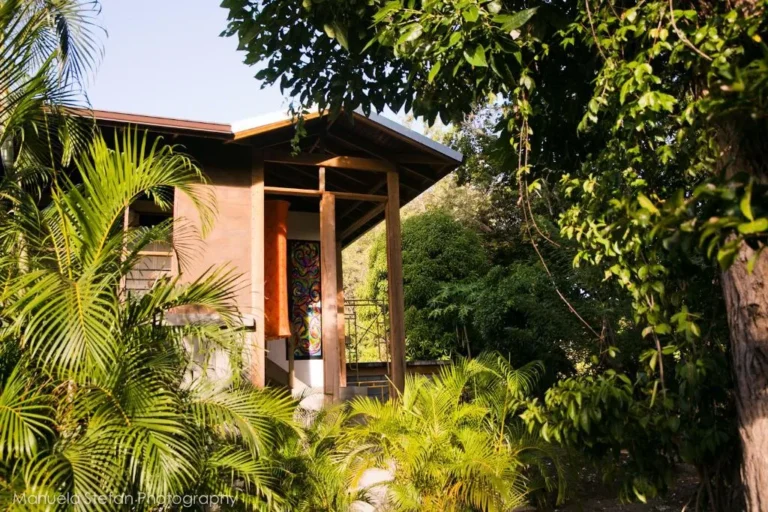 Read this next
Green Heritage Stays in the Caribbean Where History Is Kept, Not Bulldozed
Want a Caribbean stay with real history, not a plantation wedding backdrop? These green heritage stays keep land, crafts and food in local hands. See who.Read the story Keep exploring
Best Sustainable Travel Apps for Vegans
Best sustainable travel apps for vegans: find plant-based meals, local farms and evidence-led stays. What to verify before you travel. Plan what to use abroad.Read the story Keep exploring