
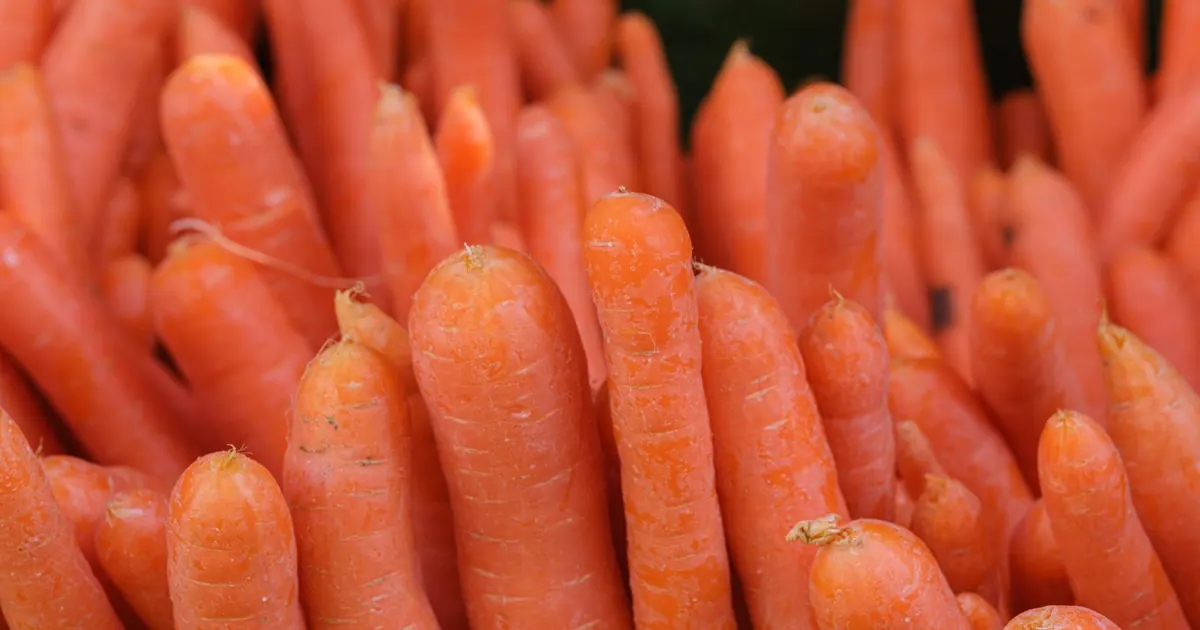
Winter produce at farm shops should begin with the crop and its origin. A shop can display parsnips grown nearby alongside fruit brought from another climate. The building does not make the whole basket local.
For a UK winter shop, I would begin with hardy greens and roots, then see what stored crops the grower has available. Choose the meal after asking what is actually good that week.
This is a UK seasonal guide. December does not describe the same growing conditions in the Caribbean, the southern United States or the Southern Hemisphere. Use the place you are buying in before following a calendar.
Darts Farm and Ben’s Farm Shop offer named Devon starting points to investigate. Riverford gives a separate grower delivery option. Their sourcing and current stock still need checking for your particular purchase.
I would rather buy a small basket I know how to cook than take home a winter display that becomes a job I keep postponing.
Hardy greens and roots give a winter basket some structure
The Soil Association’s UK winter guide lists crops including Brussels sprouts, cabbages, kale, leeks, carrots, celeriac, parsnips, swedes and turnips. Use that as a starting list to discuss with the seller, not a guarantee that every crop is available at every stall.
I would choose one green vegetable, one root and an onion or leek component for meals I already make. A cabbage can fit several dishes, while a large bag of unfamiliar vegetables can sit unused if every meal requires a new recipe.
Ask which variety the grower has and how they suggest preparing it. The same general crop can have different size, texture and cooking uses. A conversation about the actual harvest is more useful than buying a name from a seasonal chart.
Choose the quantity around the days you will be at home. A good price per kilogram does not help when much of the purchase goes uneaten.
Stored produce can still be part of a local winter diet
The RHS distinguishes vegetables that can stand through winter from crops enjoyed from storage. Its examples include hardy leeks, kale and parsnips, alongside stored carrots, onions, turnips and winter squash.
That means available now and harvested today are different descriptions. A properly stored crop can be useful winter food without being newly dug that morning. Ask the seller which kind you are buying.
I would not reject a stored onion because it lacks the romance of a fresh harvest. The practical question is whether the food is in good condition, suitable for the dish and likely to be used.
For fruit, ask the same question about stored apples and pears. A seasonal reference can introduce the crop, while the actual origin and handling belong to the product in front of you.
Darts Farm gives you a farm connection to investigate
Darts Farm’s own account of its winter growing describes vegetables harvested on the farm for its food hall. The specific festive article reviewed here is dated November 2025. It explains the business’s reported approach, not a guarantee of the crop on sale during your 2026 visit.
If you plan to shop there, ask which vegetables currently come from its own fields and which come from other producers. A farm food hall can sell both. The distinction gives a more precise picture than treating everything on the shelves as homegrown.
The wider business also sells animal products. This recommendation concerns investigating its vegetable offer, not describing the whole shop as vegan or awarding it a universal ethical label.
I would use a visit when it fits the route I already need to make. Confirm the present opening and produce information directly before arranging a special journey around one crop.
Ben’s Farm Shop offers another Devon route for a mixed basket
Ben’s current shop information describes fruit and vegetable areas at Staverton and a town centre shop in Totnes. Its explanation of the town location includes making a quick shop possible without driving out to the farm.
That is a useful practical distinction. If you are already in Totnes, check the town shop’s current produce rather than assuming the farm location is always the better journey. Ask which food is grown by the business and which is sourced elsewhere.
Like many farm shops, the range includes animal products. Choose the vegetables and other plant foods that fit your requirements, and keep the business’s full offer separate from your particular basket.
Do not assume a farm shop always beats a supermarket on price. Compare the same crop, weight and quality with the journey included. Our basket comparison follows that calculation.
Riverford gives you a delivery option to compare
Riverford’s current winter range lists vegetables including leeks, parsnips and carrots. Check the individual product’s origin and the contents selected for your delivery area. The seasonal heading should not become a claim that every product was grown in the UK.
Its winter listing showed leeks at £4.75 for 750 grams, parsnips at £4 for one kilogram and carrots at £1.95 for 750 grams when reviewed. These are dated listed examples, not a complete delivered basket or guaranteed future prices.
To compare with a market stall, convert the weights into the same unit and include any delivery conditions applying to your order. A box and a set of individually chosen vegetables can have different rules.
Our produce box guide distinguishes local sourcing, organic status and wonky produce. They are useful descriptions when kept attached to their actual meaning.
Build meals around what you buy rather than a perfect photograph
For a proposed basket, I would plan a cabbage and bean meal, roasted roots and a leek based dish that uses ingredients already in the cupboard. These are meal ideas, not a prescribed diet or a promise about particular health outcomes.
Keep one meal flexible for a crop the seller recommends. If the parsnips are unavailable, ask what root would suit the preparation you intend. You do not need to reproduce somebody else’s basket exactly.
Use the food that needs attention first and follow the seller’s storage advice for the actual produce. If you know you will be away for several days, reduce the order rather than relying on enthusiasm to keep the vegetables fresh.
The home food routine begins with what you own. Our food gift guide applies the same care to a basket going into somebody else’s kitchen.
A seasonal shop should keep the grower visible
Ask where the crop grew, whether it was stored and what organic or other evidence covers it if that matters to you. A seller should be able to answer without turning every question into a general slogan about local food.
Then choose a quantity you can eat and a route you can repeat. A market, a farm shop and an ordinary supermarket can all have a place in that routine. The actual basket deserves more attention than the label above the door.
I want the harvest to reach a plate. Buy the vegetables you will cook and give the grower’s work a destination beyond your shopping bag.
Sources and further reading
Soil Association UK seasonal food guide
RHS explanation of standing winter crops and stored harvests
Darts Farm’s dated November 2025 account of winter vegetable growing
Ben’s Farm Shop current Devon shop descriptions
Riverford current winter product range and listed prices
Sources and resource pages reviewed on 18 November 2026. Check current access, offers and operating arrangements before making a purchase or journey.
On this story
Comments, questions and answers from signed-in paid members. The conversation will also be available in the app when it launches. Community contributions are not verified editorial findings.
Contribute evidence
Reviews share first-hand experience. Observations can include opinions and objections. Evidence is checked against its sources before publication. Community contributions do not change MIW scores.
Article discussions and evidence contributions are for paid members. They will also be available in the app when it launches.
Sign in to contribute or join the discussion Read this next
Best Local Food Apps in 2026, Find Farmers, Rescue Food and Eat Plant Based
Best local food apps for 2026 compared. Farmish, Too Good To Go, OLIO and HappyCow solve different problems. Find the right one for your area. Compare coverage.Read the story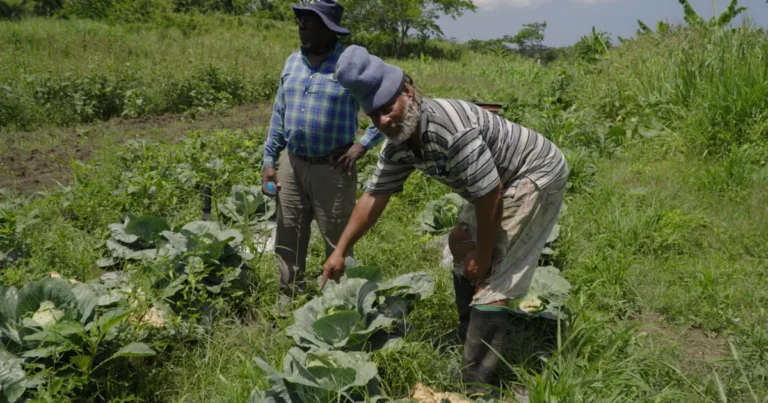 Keep exploring
Food Sovereignty Books and Resources Should Bring You Closer to the Grower
Choose food sovereignty books and resources for your next question. Explore movement writing, food economics, plant relationships and practical cooking.Read the story Keep exploring