
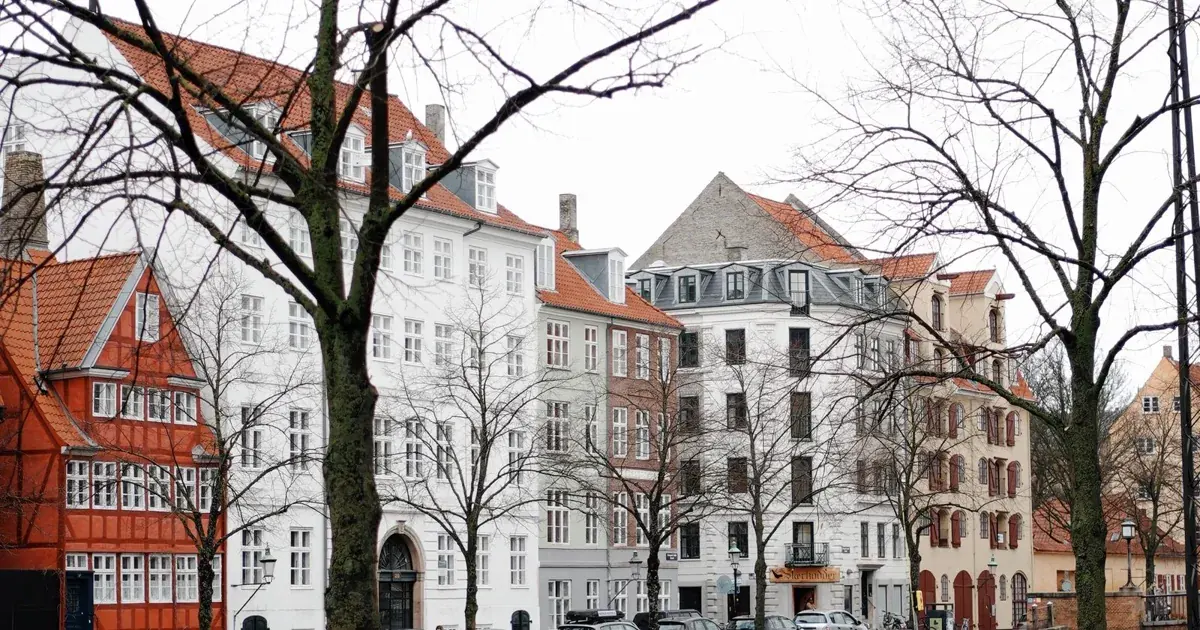
Car free European city breaks need a workable route before they need a green label. You should be able to reach your room, find a meal and spend the day exploring without arranging another transfer every few hours.
I would choose Copenhagen for a harbour and neighbourhood trip, Amsterdam for canals and a ferry crossing, or Ljubljana for a smaller city centre built around the river. Each gives a different starting point for three days.
These are proposed itineraries assembled from official visitor and transport information. They are not accounts of three trips I have personally tested, and I am not ranking the cities by a made up environmental score.
The route matters more than collecting every sight. One museum you have time to explore is a better use of your afternoon than four booking confirmations you spend the day chasing.
Choose the city you can reach sensibly, then the base that supports your actual days. A cheap room on the wrong side of an awkward connection can consume the saving before you have even had breakfast.
Copenhagen gives you a harbour trip with neighbourhood days
For the first day, I would keep Nyhavn and Christianshavn as the two main areas. Begin with the waterfront, stop for lunch and leave room for a longer wander rather than attaching a distant excursion to the same afternoon. This is a proposed pairing, not a promise that every reader can comfortably walk the whole route.
On the second day, use Kongens Have as the outdoor anchor and choose Rosenborg Castle or SMK as the main indoor visit. Check opening days and reserve any ticket you need before fixing the rest of the day around it. Leave the other museum for a future trip if doing both would turn the visit into a queue.
For the third day, choose Nørrebro or Vesterbro. Spend time in one neighbourhood, find a meal that suits your food requirements and allow time to stop when something interests you. The official Copenhagen guide covers both areas, but a guide listing them does not oblige you to fit them into one day.
This plan suits somebody who wants water, art and neighbourhood time without changing hotels. It does not require you to ride a bike. If cycling is unfamiliar, choose walking and public transport rather than learning local rush hour etiquette while trying to follow a route.
The Copenhagen metro and harbour buses do different jobs
Visit Copenhagen describes a metro operating around the clock and connecting the airport with the city network. It also identifies harbour buses as part of public transport. That gives you alternatives to a taxi, with the actual route and ticket still to choose for your accommodation.
Check the zones and validity of the ticket you intend to buy. A sightseeing pass, a transport pass and an individual fare can include different things. Add up the journeys and admissions you will actually use before assuming a bundled pass saves money.
Keep a weather alternative for the waterfront day. An indoor visit or a shorter route can be a sensible change when wind and rain make the original plan unpleasant. Sustainability does not require enduring a miserable afternoon to prove you travelled correctly.
Amsterdam works better when you stop crossing the city for every stop
Day one can begin around Central Station and one compact section of the canal area. Choose the streets you want to explore, a meal and a place to pause. There is no prize for walking the entire canal network before dinner.
For day two, I would build around Museumplein and choose one principal museum. Check the museum’s own admission arrangements before assuming you can buy a ticket when you arrive. If the weather suits you, leave part of the afternoon for Vondelpark instead of booking another timed indoor visit.
Day three can use the ferry behind Central Station to reach Noord. The official visitor site identifies the Buiksloterweg route for the Eye Filmmuseum and nearby cultural spaces. Decide whether you want an actual museum visit or simply time across the water, since the ferry crossing does not include admission to attractions.
I would keep the final evening near the accommodation or departure connection. A late meal across the city can make the following morning unnecessarily complicated, particularly with luggage or children.
Amsterdam’s free ferry is a particular service with particular routes
I amsterdam confirms free crossings over the IJ for pedestrians and cyclists, with routes leaving behind Central Station. Its route guide distinguishes Buiksloterweg, IJplein and NDSM. Read the destination sign before boarding rather than assuming every ferry arrives at the same part of Noord.
The visitor site directs travellers to GVB and 9292 for current planning. Use the actual departure time, service notices and connection you need. A description of frequent ferries is not a guarantee about a particular sailing.
For a longer tram or metro journey, check the current payment and ticket rules separately. A free ferry does not make every form of public transport free. Nor does a city card necessarily cover the airport journey you have in mind.
Ljubljana gives three days a smaller central focus
I would begin day one at the Triple Bridge and use the riverside and Central Market area as the main route. Ljubljana Tourism describes the bridge’s connection with the market colonnade. Confirm the market’s operating arrangements for your date before planning the day’s food shopping around it.
On day two, make the castle your main visit if its current access arrangements suit you. Check the route, slopes and any transport you intend to use rather than assuming a landmark above the city is an easy walk for everyone. Leave time for a meal and an unhurried return to the centre.
Day three can be the greener day, with Tivoli Park as the outdoor plan and a museum or other indoor visit as the weather alternative. Keep this day flexible if it is also your departure day. Luggage storage and the onward connection deserve a place in the plan.
This choice suits a reader who wants fewer neighbourhood transfers and a route centred on the river. It does not mean all accommodation described as Ljubljana is inside the pedestrian centre. Check the map and the final stretch to the entrance.
Ljubljana’s Kavalir serves people who need help getting around
The free Kavalir electric vehicles operate within the city centre pedestrian zone. Ljubljana Tourism says they are primarily intended for older people and people with mobility impairments, and explicitly says they are not sightseeing tours.
That purpose matters. Do not treat them as a novelty ride to add to a list of attractions. If you need the service, check the current contact and operating information, then discuss the journey you need within its area.
Car free does not mean step free. Ask your accommodation and each operator about the actual entrance, surface, lift or vehicle access you require. A pedestrian street can still have cobbles, slopes and distances that need planning.
Use one budget for the whole three days
Write down the room total, arrival and departure transport, local fares, food and the attractions you genuinely want to book. Include any tourist tax, luggage charge or required reservation shown for your selected option. A room only comparison cannot settle the total trip cost.
Then compare two bases. A central room can cost more per night and reduce the number of journeys you need. A more distant room can work well when its actual connection is frequent and convenient for your route. Price the journey rather than assuming either option always wins.
For food, plan around what you will eat. A kitchen is useful if you intend to cook, while a market stop is useful only when it is open and sells what you need. Our food shopping comparison keeps the basket, provenance and journey together.
Leave some of the budget uncommitted. You may choose a different meal, need a shorter journey or decide that one extra museum is worth paying for. The plan should support your days rather than spend every hour before you arrive.
The journey into the city remains part of the holiday
Choosing a city with good public transport does not settle how you reach it. Compare rail and air using the same departure point, luggage needs and final destination. Our door to door comparison includes the connections that a headline flight duration leaves out.
Use the same care with the room. A convenient location and an environmental claim answer different questions. The hotel evidence guide helps you check the property’s particular claim rather than borrowing a reputation from its city.
My choice would begin with the route I could actually enjoy at my own pace. Pick a city you can reach, a base you can use and a few places you have time to notice. Give the place more attention than the list.
Sources and further reading
Visit Copenhagen transport options and ticket planning
Visit Copenhagen neighbourhood and three day planning guide
I amsterdam ferry routes and journey planning
Ljubljana Tourism on the Triple Bridge and market connection
Ljubljana Tourism on the purpose and limits of Kavalir vehicles
Sources and resource pages reviewed on 18 November 2026. Check current access, offers and operating arrangements before making a purchase or journey.
On this story
Comments, questions and answers from signed-in paid members. The conversation is shared with the app. Community contributions are not verified editorial findings.
Contribute evidence
Reviews share first-hand experience. Observations can include opinions and objections. Evidence is checked against its sources before publication. Community contributions do not change MIW scores.
Article discussions and evidence contributions are for paid members and are shared with the app.
Sign in to contribute or join the discussion Read this next
Seven Day Slow Travel in the Caribbean Starts on One Island
Plan seven day slow travel in the Caribbean around one island, food and a workable base. Compare Antigua, Jamaica and the Dominican Republic before booking.Read the story Keep exploring
Black Friday Flight Deals Need the Whole Journey Price
Check Black Friday flight deals 2026 for sale dates, baggage, transfers and booking terms. Compare the complete trip before paying for an advertised saving.Read the story Keep exploring