

The UK’s Be Ready campaign asks households to keep three days of non-perishable food at home, alongside three litres of drinking water per person per day. The official advice is short and sensible: choose food with a long shelf life that does not need a fridge or cooking, and buy food you would usually eat.
What it does not tell you is how to make that food good for you, or how to build it around the farms and growers near where you live. That is what this guide is for.
A cupboard reserve does not have to be a shelf of salty tins and sugary snacks you would never normally touch. It can be oats grown in Britain, beans and lentils, apples from a nearby orchard, nuts and seeds, and vegetables that store for weeks without power. It can also become a habit that makes everyday cooking cheaper, healthier and less wasteful.
A cupboard reserve can be nourishing, not just long-lasting.
What the Government Recommends for Food and Water
The Be Ready checklist, published by the Cabinet Office on 22 October 2026, recommends:
- Water: three litres per person per day for three days for drinking, with more needed for cooking and washing.
- Food: non-perishable food for three days that does not need refrigeration or cooking, such as tinned meat, fish or vegetables, dried fruit and nuts.
- Baby formula: ready-to-feed formula is best, because you may not be able to boil water safely.
- Pet food and water for any animals.
The government also advises checking what you already have, building your supply gradually during normal shopping, and reviewing it every six months. If you have spare items, it suggests donating them to people who cannot prepare their own households.
Three days is the benchmark because it gives most households enough time to manage while emergency services reach the people who need them most. It is not a forecast of a three-day crisis, and it is not a reason to clear the shelves. For the full kit and household plan, read Be Ready Emergency Preparedness.
Why Where Your Food Comes From Matters
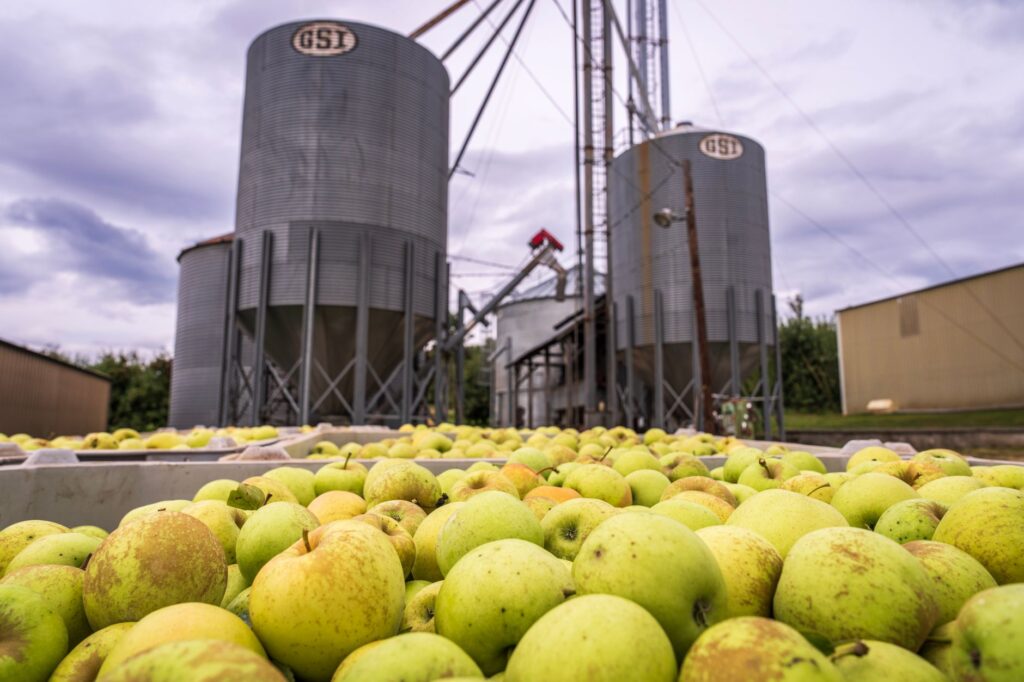
Before deciding what to stock, it helps to understand what Britain actually grows. The government’s United Kingdom Food Security Report gives a clear picture. In 2023, the UK produced around 62% of the food it consumed by value, and around 75% of the foods that can be grown commercially here. The remainder came from imports.
That overall figure hides big differences between foods:
| Food | Share of UK supply produced in the UK (2023) |
|---|---|
| Oats | 120% |
| Barley | 113% |
| Milk | 105% |
| Wheat | 96% |
| Carrots, turnips and swede | 96% |
| Eggs | 87% |
| Cabbages | 81% |
| Strawberries | 66% |
| Fresh vegetables overall | 53% |
| Apples | 38% |
| Tomatoes | 15% |
| Fresh fruit overall | 16% |
Source: Defra, United Kingdom Food Security Report 2024. A figure above 100% means the UK produces more than it consumes.
Two things stand out. First, Britain is close to self-sufficient in many of the staples that make a good emergency reserve: oats, grains, root vegetables and dairy. Second, it relies heavily on imports for fresh fruit and many vegetables, which the report describes as significant sources of vitamins and minerals. The report also notes that Spain alone supplied 84% of the UK’s imported lettuce and 30% of its imported fresh or chilled vegetables in 2023, and that drought there has already affected exports.
None of this means imports are bad or that households should avoid them. The report is clear that trade with many countries is part of what makes UK supply resilient. It also makes an important point that is often missed: for environmental impact, eating seasonally matters more than eating locally, except for food that is air-freighted. A tomato grown in a heated British glasshouse in winter is not automatically better than one grown in the sun abroad.
The most resilient cupboard is seasonal, varied and connected to more than one source.
For the wider history of why this matters, from Dig for Victory to the pandemic, read Emergency Preparedness Through History.
Building a Healthy Reserve Around the Eatwell Guide
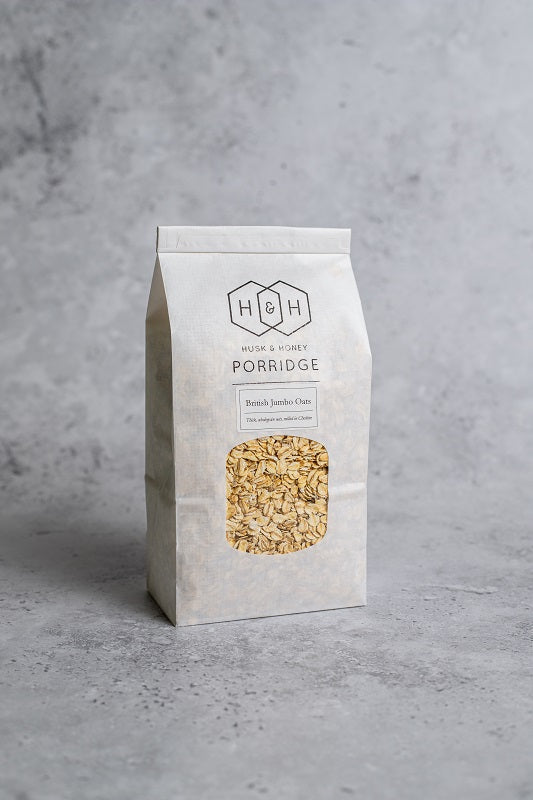
The NHS Eatwell Guide recommends that just over a third of what we eat should be fruit and vegetables, and just over a third should be starchy foods, ideally wholegrain. The rest comes from protein, dairy or alternatives, and small amounts of oils. There is no reason an emergency reserve cannot follow the same shape.
| Food group | Shelf-stable choices | Local or seasonal options | What to check on the label |
|---|---|---|---|
| Starchy foods | Oats, oatcakes, rye crispbread, wholegrain crackers, rice cakes | British oats and rye; potatoes from a farm shop if you have cool storage | Wholegrain, fibre content, added sugar |
| Fruit | Tinned fruit in juice, dried apricots, raisins, prunes, fruit purées | British apples and pears in autumn and winter | Fruit in juice rather than syrup, added sugar, sulphites |
| Vegetables | Tinned tomatoes, sweetcorn, peas, carrots, peppers, beetroot | Carrots, onions, cabbages, squash and swedes, which keep well in a cool place | Added salt; choose versions in water |
| Protein | Tinned beans, lentils, chickpeas, tinned fish, nut butters | British dried peas and fava beans | Added salt and sugar in beans; BPA-free tins if this concerns you |
| Nuts and seeds | Almonds, walnuts, sunflower, pumpkin and flax seeds | British-grown hazelnuts and cobnuts in season | Rancid smell, origin, unnecessary oils and salt |
| Dairy and alternatives | UHT milk, long-life plant drinks, hard cheese in cool storage | Milk and cheese from local dairies | Added sugar and additives in plant drinks |
| Fats | Olive oil, rapeseed oil | British cold-pressed rapeseed oil | Origin and pressing method |
Nuts and seeds are especially useful because they are nutrient-dense, need no cooking and last for months in a cool, dark place. Look for nuts with a clear country of origin, buy them in quantities you will eat within a few months, and store them in airtight jars away from heat and light so their oils do not turn rancid.
Tinned food is not the enemy. The label tells you which tin to choose.
Reading Labels Before You Stock Up
Stocking up is the moment many people buy foods they would not normally choose: big multipacks, long-life ready meals and products with long ingredient lists. A few minutes reading labels makes a real difference.
- Salt: many tinned vegetables, beans and soups contain added salt. Choose versions labelled no added salt, or in water, and rinse beans before eating.
- Sugar: tinned fruit in syrup, cereal bars and long-life drinks can contain a lot. Choose fruit in its own juice.
- Additives: long shelf life does not have to mean a long ingredient list. Plain foods such as oats, lentils and tinned tomatoes store perfectly well.
- Coatings and treatments: some fresh produce is coated to extend its life. Read What Is Apeel and Can You Wash It Off? if you want to know what is on the skin of your fruit.
Our Food Label Decoder and Banned Additives Checker can help you understand what you are buying before it goes into the cupboard.
UK Foods That Store Well Without a Freezer
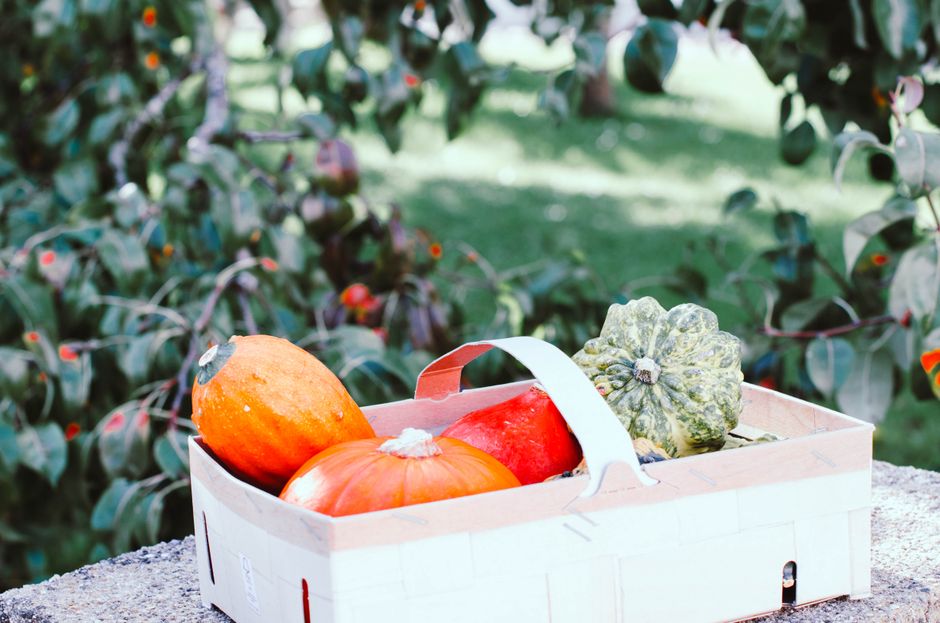
Many British crops were traditionally grown precisely because they kept through winter. Stored somewhere cool, dark and dry, they can last for weeks or months without any power at all.
- Potatoes: keep in a paper or hessian bag in a cool, dark place, away from onions. Remove any that sprout or soften.
- Carrots, swede and beetroot: keep cool. Root vegetables last longer unwashed.
- Onions and garlic: keep dry with good airflow.
- Squash and pumpkins: a well-cured winter squash can last for months at room temperature. Autumn is the time to buy them, and our guide to pumpkin picking shows where to pick your own.
- Apples and pears: store cool, ideally not touching each other, and check regularly.
- Cabbages: firm winter cabbages keep for weeks somewhere cold.
These are not three-day emergency foods in the same way as tins, because some of them need cooking. But they are an excellent everyday reserve, they come from British farms, and they make it much less likely that you will need to rely on the emergency supply at all.
Not sure what is in season near you? Our Harvest Checker shows what is ready to pick and eat.
Preserving the Season: Drying, Fermenting, Freezing and Bottling
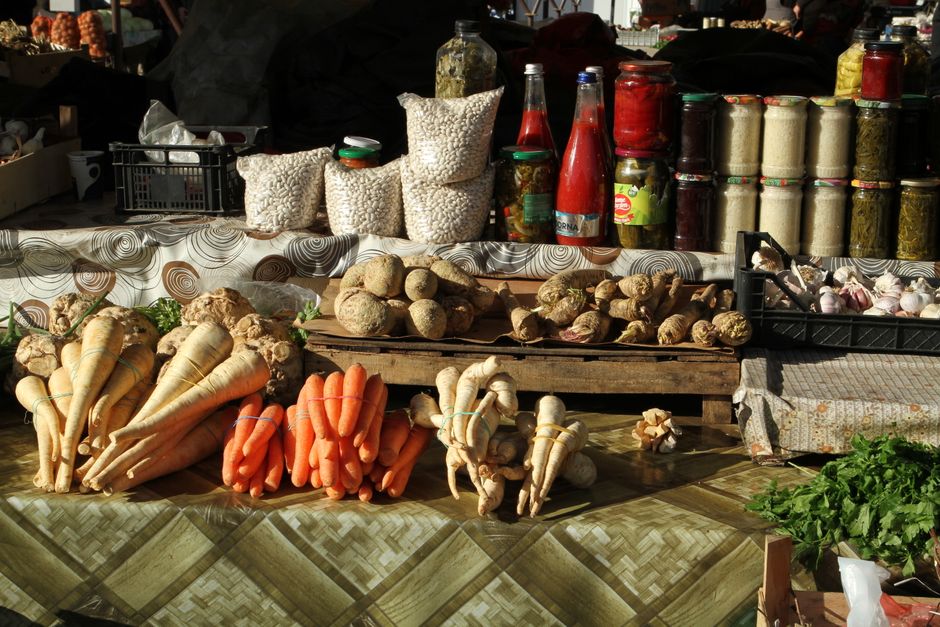
For generations, households preserved summer and autumn harvests to eat through the rest of the year. These skills are worth reviving, not because a crisis is coming, but because they reduce waste and let you buy local produce in abundance when it is cheapest.
- Drying: apple rings, herbs, tomatoes and mushrooms can be dried in a low oven or dehydrator and stored in jars.
- Fermenting: sauerkraut and kimchi turn cabbage into something that keeps for weeks in a cool place.
- Freezing: useful for gluts of berries, beans and cooked meals, but remember that a freezer depends on power. A full freezer should stay frozen for up to 48 hours if the door stays shut.
- Jams, chutneys and pickles: traditional ways to keep fruit and vegetables using sugar, vinegar and heat.
- Bottling and canning: effective but needs care. Low-acid foods such as vegetables, beans and meat can carry a risk of botulism if they are not processed correctly, so always follow tested, reliable instructions.
Preserving is not prepping. It is simply making the most of what grows.
Be Ready Emergency Meals: A Healthy Three-Day Plan Without Cooking
This plan assumes no power, no fridge and no hob. Everything can be eaten cold with a tin opener, a bowl and a spoon. It provides protein, fibre and some fruit and vegetables at every meal, and uses foods that store well and that most households already eat. Adjust quantities for your household and swap anything you do not like.
Day one
- Breakfast: oats soaked in UHT milk or a long-life plant drink, with raisins and pumpkin seeds.
- Lunch: three-bean salad from a tin of mixed beans, tinned sweetcorn and a drizzle of rapeseed oil, with oatcakes.
- Dinner: tinned mackerel or sardines on rye crispbread with a raw carrot, or tinned chickpeas mashed with olive oil and lemon for a plant-based version.
- Snacks: an apple and a handful of walnuts.
Day two
- Breakfast: oatcakes with peanut or almond butter and sliced banana or pear.
- Lunch: tinned lentils with tinned chopped tomatoes, dried herbs and crackers.
- Dinner: tinned salmon or white beans with tinned peas and beetroot.
- Snacks: dried apricots and sunflower seeds.
Day three
- Breakfast: muesli or overnight oats with tinned peaches in juice.
- Lunch: chickpea salad with tinned peppers, olives and oatcakes.
- Dinner: tinned black beans with sweetcorn and rice cakes, or tinned tuna with the same.
- Snacks: hard cheese if it has stayed cool, or nuts and an apple.
Drink water with every meal. Remember that tinned foods can be salty, which makes you thirstier, so keep an eye on your water supply. If you have babies, older relatives or anyone with a medical diet, plan for their needs specifically.
If the power is out but you still have food in the fridge or freezer, eat that first, following the Food Standards Agency’s guidance, and save the cupboard supply for later.
Where to Buy Local Food in the UK

Local food is most useful when you already know where to find it. A farm shop you visit regularly, a veg box you already receive, a market you know the stallholders at: these are relationships, and they take time to build.
- Farm shops let you buy fresh produce and local goods in one trip. Ask what is grown on the farm and what comes from elsewhere.
- Veg box schemes bring seasonal produce to your door or a collection point, often from a single farm or a small group of growers.
- Farmers’ markets let you meet producers directly and ask how food is grown.
- Pick-your-own farms are a good way to buy fruit in bulk when it is cheapest, for eating fresh, freezing or preserving.
Use the Be Ready Map: UK Farm Shops and Local Food Guides to find options near you. Our farmers’ market checklist for first-timers explains how to get the most from a market, and there is a farmers’ market activity sheet for children if you are taking the family. You can also read our guides to farm shops near Huddersfield, farm shops in Leicester and pick-your-own fruit in the UK.
Find your farmers before you need them.
Rotation, Budget and Waste
A food reserve only helps if it is still edible when you need it. The simplest system is to eat from it, and replace what you use.
- First in, first out. Put new tins at the back and move older ones forward.
- Check every six months, as the government recommends. Use anything nearing its date in normal meals.
- Store only what you eat. A tin of something nobody likes is not a reserve; it is waste waiting to happen.
- Build gradually. One or two extra items a week spreads the cost and avoids shortages for others.
- Keep a list. Our shopping list tool can help you track what you have and what to replace.
Food waste is already a significant problem. The government’s Food Security Report estimates that the UK wasted around 115.7kg of food per person in 2021, and that most food waste comes from households. A well-managed reserve should reduce waste, not add to it.
If you have more than you need, consider donating to a local food bank. The government’s advice specifically encourages helping people who cannot afford to prepare.
If You Cannot Grow Your Own
Growing even a little food teaches you about seasons and soil, and gives you something fresh to eat. But not everyone has a garden, time or the physical ability to grow. Resilience should not depend on it.
Community gardens, allotments, shared growing spaces and community kitchens give more people access to fresh food and growing skills. We have seen this in many places: a jiu-jitsu dojo that became a community garden and food bank, a plant-based community kitchen in Austin, a community kitchen and garden in Cabarete and an Antiguan backyard garden that connects four generations. The places differ, but the lesson is the same: food grown and shared locally builds both supply and community.
If you can grow something, even herbs or salad leaves on a windowsill, start now. If you cannot, find the people near you who do, and support them.
Healthy, Local and Ready
The Be Ready campaign asks for three days of food and water. That is a reasonable, modest step, and it is worth doing well. Choose foods your household enjoys, follow the shape of a healthy diet, read the labels, and remember the tin opener.
But the most valuable preparation is not in the cupboard. It is knowing how to cook from simple ingredients, understanding what grows near you and when, and having real relationships with the people who grow food in your area. Those things make every day better, not just the rare day when the power goes out.
A healthy reserve, a seasonal kitchen and a local farmer you know by name. That is what being ready looks like.
For practical ways to prepare without unnecessary purchases or plastic, read Be Ready Prepping: The UK Guide to Emergency Supplies, Eco Alternatives and Self-Reliance.
Sources and Further Reading
- UK government: Be Ready campaign announcement
- Be Ready: Be ready for emergencies and checklist
- Defra: United Kingdom Food Security Report 2024, UK food supply sources
- NHS: The Eatwell Guide
- Food Standards Agency: Food safety in a power cut
- Be Ready: Water supply interruptions