
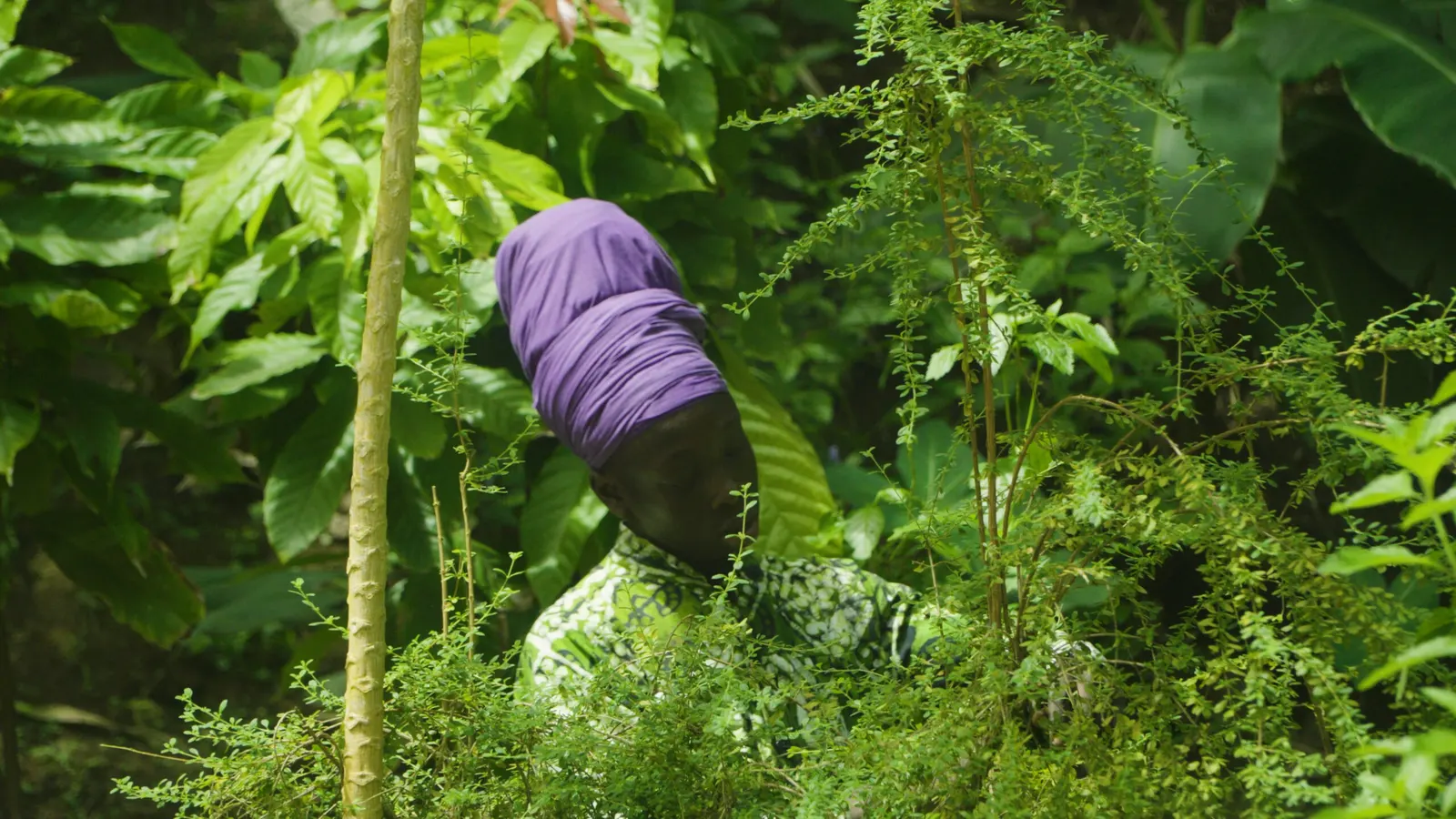
Off grid, river fed and plant based in the mountains of central Saint Lucia. Mount Kailash Rejuvenation Centre is what a healing retreat in Saint Lucia should be, and most of the island can’t offer what it does.
What is a wellness retreat?
What a true healing or detox retreat should feel like, look like and achieve
Food, water, environment and leadership. Those are the four pillars of a true transformation retreat. If one of them is missing, it isn’t a retreat. It’s a holiday with a yoga mat.
Why? Because your body doesn’t read the brochure. It responds to what goes into it, what surrounds it and who is guiding it. A week of meditation won’t undo a week of sprayed food. A detox programme can’t detox you while the water you drink carries the same chemicals you came to get rid of.
When the pillars are out of balance, you get a false positive. You feel lighter because you slept, you switched your phone off and you looked at the sea. Then you fly home carrying more than you arrived with.
One of you asked me this under my post about pesticides.
how do you get tested for how much pesticides you have in ur body? & how do you detox from it?
Another of you wrote this under the same post, and 103 people liked it.
I’ve not consumed anything but certified USDA organic goods for the last 15 years. And yet… my recent urine tests show ridiculously high levels of pesticides.
Fifteen years of organic food, and the pesticides are still there. Food is one pillar. It can’t carry the other three. Detox isn’t a juice. It’s an environment.
So let’s unpack all four, in Saint Lucia.
The best wellness retreats in Saint Lucia and the Caribbean
How healthy is Saint Lucia? The diabetes, cancer and pesticide numbers tell the story
Saint Lucia is sick, and the numbers are not subtle.
- More than one adult in nine has diabetes. That’s 11.4% in 2024, and about a quarter of those people don’t know it yet (International Diabetes Federation).
- About two in five adults have high blood pressure (Saint Lucia Ministry of Health, 2019 survey).
- 62.6% of adults are overweight, and noncommunicable diseases (heart disease, cancer, diabetes) caused 82% of all deaths in 2019 (PAHO).
- Prostate cancer kills 46.9 men in every 100,000 here. The world rate is 7.5. That is more than six times higher, and among the highest death rates for prostate cancer anywhere (IARC GLOBOCAN 2024, world figures).
- In 2013, the island recorded 131 amputees. 129 of them lost their limbs to diabetes.
Now look at what is sprayed on the land that feeds the locals and every tourist who lands here. In 2022 Saint Lucia used 27.59 kg of pesticide per hectare of cropland. The world average is 2.40. The UK uses 2.79. The US uses 2.78. That is roughly ten times the world, and it has climbed every year since 2018, when it was 21.32 (FAO data via Our World in Data).
The fine print is in the register. The Ministry of Agriculture’s list of registered pesticides still carries five paraquat products. Saint Lucia’s own law classes paraquat as extremely hazardous. The EU banned it in 2007. FAO has said the island has one of the highest numbers of registered pesticides in the Caribbean.
And here is the part nobody wants to say out loud. Nobody has measured what this does to the people. A review written for the UK government said it in one line. “St. Lucia specific information on the human health effects of pesticide contaminated food and water is lacking” (Boodram, 2002). The only local study it could find surveyed 130 people who spray. 28% had felt ill from pesticides. 65% never wore protective clothing.
I can’t hand you a study that links the spraying to the diabetes and the cancer, because nobody on the island has done one. That isn’t reassurance. That’s the scandal.
One of you, writing about a project with small producers in St. Lucia, left this under my post.
The famrers hands were also destroyed by the chemicals on the skins.
That’s the human cost. It lands on the farmer first, then on the plate.
A toxic environment is ecocide, a slow poisoning of mother nature. And when you look at the landscape of Saint Lucia, it gets more heartbreaking, because this island was made to be paradise.
Saint Lucia is mountainous, so is the tap water safe to drink?
About that.
Not reliably. The island’s water regulations require chlorinated water to be tested, but we could not find a single published result, and the record that does exist is not reassuring.
Up to 4,000 mm of rain falls on the interior rainforest every year (Government of Saint Lucia). Rivers run straight off the peaks. On paper, everyone here drinks mountain water.
In reality, the water runs through farm country first. In 1994 and 1995, researchers found paraquat in the Roseau, Cul de Sac, Choc and Bois d’Orange rivers, and in the Roseau Dam, at up to 1.0 µg per litre. The EU limit for drinking water is 0.1. Ten times over. Tap water tested at the Caribbean Environmental Health Institute’s own headquarters reached 5.3 µg per litre in 1995. Fifty three times over. In 1999, 10 of 48 river samples across the island were above the limit (all summarised in the 2002 review). That data is old, and nobody has published a full survey since. Silence isn’t the same as clean.
Then there’s sewage. A 2018 sampling of the Soufrière watershed found markers of human waste, caffeine, sucralose and an antifungal drug, throughout the watershed (Environmental Monitoring and Assessment, 2022).
And the supply itself is fragile. The water company, WASCO, says the island is 100% dependent on rainfall, and about 47% of the water it treats is lost to leaks (April 2026). In June 2026 Soufrière was on rationed supply, with production down by as much as 60% in some areas (Office of the Prime Minister).
So who does drink clean mountain water? The people who live above the farms. The same 2002 review found that pesticide effects were insignificant in the upper reaches of the rivers and “damaging” in the lower reaches. What the tourists and most locals get is chlorinated water from a lowland dam, or plastic bottles.
Same with the food. When we built our guide to the best farm to table stays in Saint Lucia, three made the list. Three, on an island that welcomed 1.2 million visitors in 2019. Places where you can stand in the garden your dinner came from and know where every ingredient was sourced are rare here.
Saint Lucia has fertile volcanic soil, so why does it import its food?
The whole island is volcanic, built from andesite, dacite and basalt, and FAO calls its soils very fertile (FAO). Bananas, breadfruit, coconut, cocoa, dasheen, mango and avocado grow here with very little help.
And yet. Only 28% of the land is suitable for farming. Agricultural land fell from 29.5% of the country in 1995 to 16.3% in 2023. The share of people working on farms fell from 24.7% to 7.5%. Farming is now 1.7% of the economy.
The food import bill was EC$564 million in 2024, up from EC$544 million the year before, and the biggest categories were meat, fruit and vegetables, and cereals (My Ideal World, Saint Lucia). A fertile volcanic island, buying in its fruit and vegetables. That isn’t a food system. It’s a shipping route.
Saint Lucia has sunshine all year, so why does it run on diesel?
97.5% of the island’s electricity comes from fossil fuel, almost all of it imported diesel. Renewables were 2.5% in 2021. The air carries 10.4 µg/m³ of fine particles a year on average, twice the WHO guideline of 5.
Every air conditioner in every all inclusive on the island is running on a tanker. On one of the sunniest places on Earth.
Why Saint Lucia sprays so many pesticides
For decades the best land grew bananas for export, and the bananas got the chemicals. In the late 1990s, about 80% of all pesticide imports went to the banana industry (Government of Saint Lucia, 2004). The spray drifted onto homes and cars in Roseau and Cul de Sac. The residue went into the rivers.
In 2025 bananas earned the island EC$3.0 million, from about 2,400 tonnes. The rivers paid for an export crop, and the plates got imports.
This is why wellness starts under your feet. Wherever you choose to stay in Saint Lucia must be a clean environment with organically grown food. Otherwise you’re going to leave worse off, especially if you’ve come from the UK or Europe, where paraquat hasn’t been allowed since 2007. That’s the false positive. You went on holiday to rise. Not to eat sprayed food and breathe diesel.
Is Saint Lucia good for a wellness retreat? It is, if you stay above the pollution
Based on its pollution and its food, Saint Lucia is not an ideal place for any retreat. Unless you are literally above the pollution, somewhere the food is grown where you sleep. The same goes for almost every Caribbean island.
My Ideal World’s Eco Index for Saint Lucia gives it 60 out of 100, Passable, ranked 57 of the 77 destinations we score. 2.5% renewable power. No formal recycling, so what you bring in mostly stays in. 0.3% of the sea protected, against a 30% target for 2030. Air twice the WHO guideline.
But there is good news.
Ask any farmer where the richest soil on the land is. It’s the compost heap. Yesterday’s scraps, yesterday’s shit, broken down into the thing that grows the sweetest fruit. Paradise grows the same way. Out of the mess.
And paradise is never on the beaten track. In Saint Lucia it is literally upstream. It sits at the top of the river, above the farms, where the water is still clean.
When you do finally find those places, they will blow your mind. The people who have built a thriving sanctuary inside a challenging environment have created paradise on Earth, and it will transform anyone who comes for true healing, deep learning and rejuvenation.
A Retreat Center of the Highest Quality in Saint Lucia, the Caribbean
Where is Mount Kailash Rejuvenation Centre, and how do you get there?
Most people picture the most wonderful paradise in Saint Lucia as somewhere you can barely reach. A drive through the mountains in two cars, a helicopter in, then a boat ride.
My friends drove me to my first pick up point, telling me all about the journey ahead. Completely off road. Hard terrain. Wild.
Excited, I began my journey.
Mount Kailash Rejuvenation Centre sits on a secluded peak past Marc, in the mountains toward the centre of the island. It’s about a 30 minute winding drive from the capital, up a steep, rocky road (National Geographic Traveller). Paradise, half an hour from Castries. Group retreats include airport transfers, and the nearest airport is George F. L. Charles in Castries.

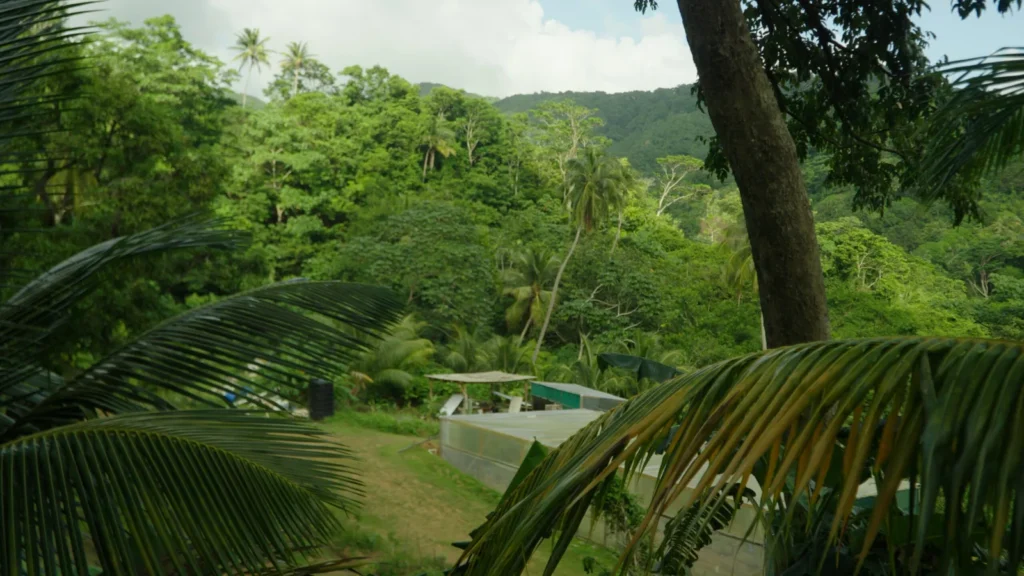
It’s a herbal healing retreat and a school of herbal medicine, led by herbalist Priest Kailash K. Leonce. They grow their own food and their own medicine. After my visit in October 2026, My Ideal World scored it 5 out of 5. That’s the top of our scale, and the highest of the nine stays we’ve fully scored so far.
River fed water and off grid solar at Mount Kailash
Every drop of water at Mount Kailash comes from the river on the mountain and from harvested rain. There is no connection to the public supply.
Read that next to the section above. Up here, you are above the banana fields, above the dams, upstream of everything that 2002 review found. The upper reaches are the part of the river the researchers called insignificantly affected. This is where they are.
Where does the water at Mount Kailash come from? It rises at the source of the river
Mount Kailash sits at the source of the river. The water rises here, on this land, before it reaches a single farm.
That changes everything. There is nothing upstream to spray it, nothing to drain into it and nothing to treat it with chlorine. The lower rivers of Saint Lucia carried paraquat and sewage. This water starts its journey here, and it starts clean. I would call it 100% clean, and I don’t say that lightly.
The river feeds the whole centre naturally. This is what it fills.
- Two ponds. One is home to koi and the other to a turtle.
- Three baths. One is a large reservoir and two are smaller baths.
Every pond and every bath is naturally fed from the river, at its source. The koi, the turtle and the guests all share the same living water.
While I was there, the team was building a new bath beside the source.
The power is the same story. The centre is fully off grid and runs on its own solar, with no connection to the island’s diesel grid. On an island that’s 97.5% fossil fuel.
And the waste returns to the land. All organic waste is composted on site and returned to the growing beds. Single use plastic is avoided, and the plastic that does arrive is separated for recycling. Remember the compost heap. Here it’s not a metaphor. It’s how the garden eats.
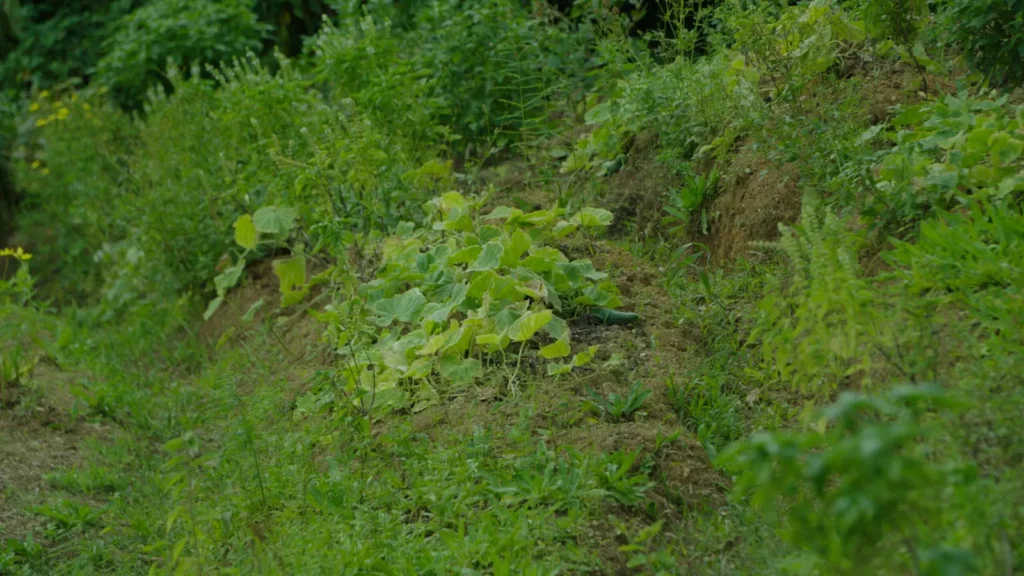
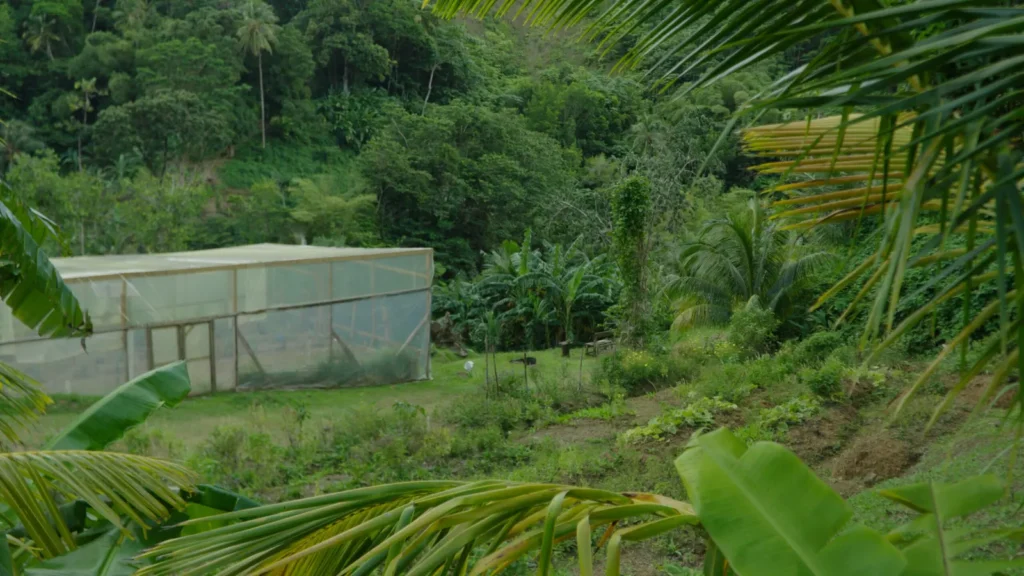
That’s the environment pillar, done properly.
What is Caribbean bush tea? Prophet brews it every afternoon from the garden
Prophet makes wonderful afternoon teas from herbs he picks himself, from the beds outside. Shadow benny (fitweed), lemongrass and patchouli.
This is bush medicine, the Caribbean’s own healing tradition, still practised in yards, kitchens and gardens across the islands. Its roots are African. Enslaved Africans rebuilt their herbal medicine from the plants they found here, carrying the knowledge across the ocean when they could not carry the plants (van Andel et al., Journal of Ethnopharmacology, 2012). The bitters, the roots, the teas for cooling and cleansing. Every cup Prophet pours is part of that line.
Shadow benny is the same plant as chadon beni and culantro, Eryngium foetidum, a stronger, wilder cousin of coriander. In the Caribbean its name says what it is for. It is called fitweed, and it is given to calm the spirit and prevent fits (its other name is spiritweed). The plant itself is native to the Americas. Its leaf oil is dominated by a compound called eryngial, and lab and animal studies show antimicrobial, antioxidant and anti inflammatory activity (2022 review). There are no human trials yet. I’m not going to sell you a cure. I’m telling you what the elders knew before the studies caught up.
Lemongrass, Cymbopogon citratus, is the bush tea the Caribbean reaches for when there’s a fever. Jamaicans call it fever grass. In a survey of medicinal plants in Trinidad it was named 50 times, mostly for fever (Clement et al., 2015).
The same herbal knowledge has its roots in West Africa
In a 2023 survey of traditional healers in Kwara State, Nigeria, it was the fourth most used plant for malaria, named in more than half of their answers (BMC Complementary Medicine and Therapies). Small human studies suggest it may lower blood pressure, but that’s early. If you’re pregnant, skip it (Memorial Sloan Kettering).
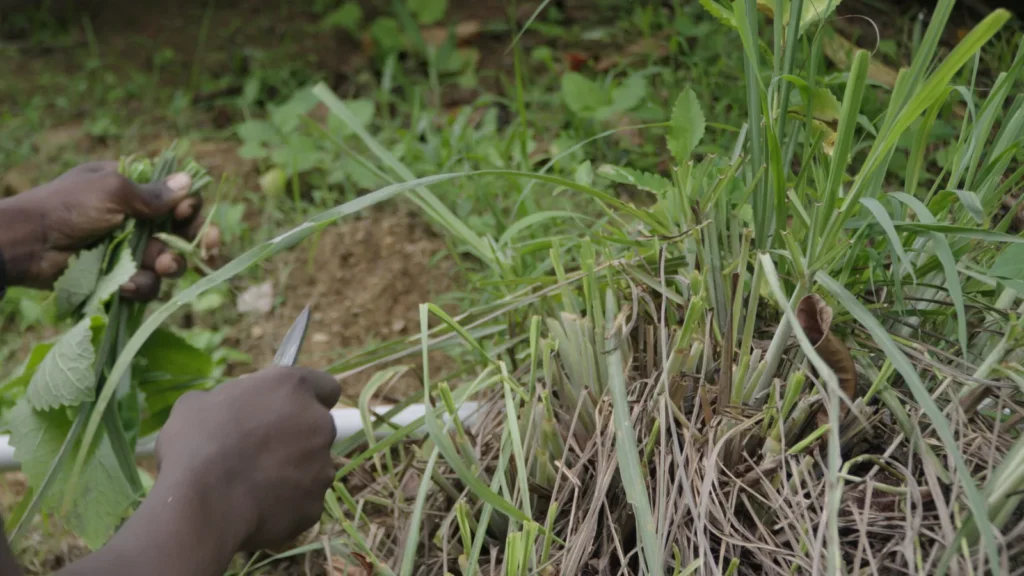

Patchouli, Pogostemon cablin, is the herb most people only know from perfume. It is an Asian plant, and the deepest record of its healing use comes from traditional Chinese medicine, where it has long been used for colds, nausea, fever, headache and diarrhoea. Its main compound, patchouli alcohol, shows anti inflammatory and stomach protecting effects in lab studies (Chinese Medicine, 2021). Again, no human trials. Again, generations of use.
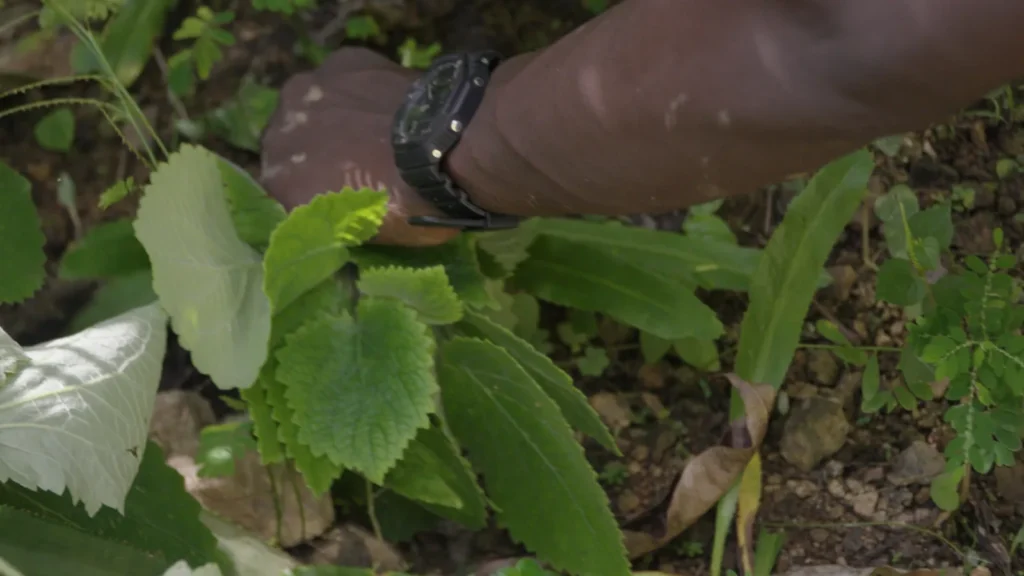
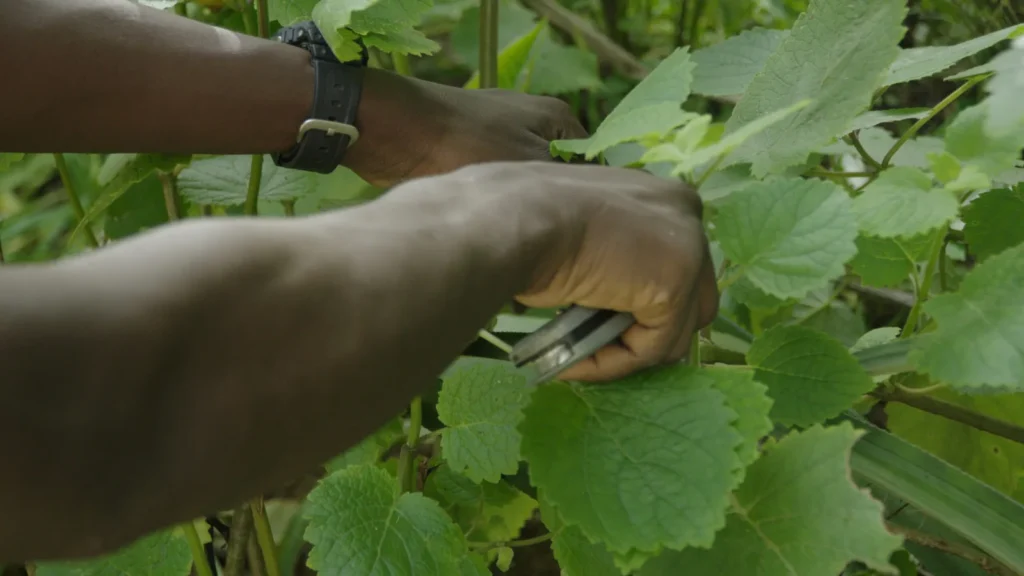
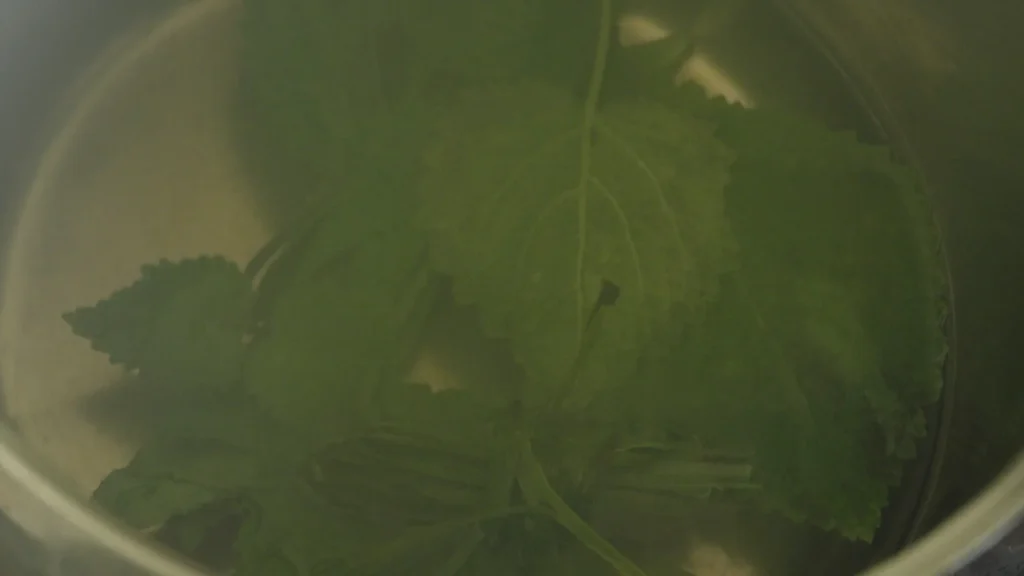
The benefit of this tea is everything it isn’t. It went from soil to cup in minutes. No tea bag. One plastic tea bag steeped at 95°C released 11.6 billion microplastic particles in a 2019 McGill study (Environmental Science & Technology). No warehouse. No spray. Just the plant, fresh, from ground you can see.

It’s also bush medicine kept alive. Priest Kailash told National Geographic Traveller how herbs were once seen. “When I came out of medical school, there was a taboo towards herbs… People would dismiss the use of them as ‘voodoo’.” At Mount Kailash it’s the curriculum.
Farm to table, plant based food at a Saint Lucia healing retreat
Farm to table is what every serious wellness retreat should be offering its participants.
What you eat is serious.
Retreat centres that serve pesticide sprayed food with the promise to rejuvenate, cleanse and heal are false advertising. It does not honour the body, or the money people saved to get there. They should have the dignity to call it a holiday with classes, because that is what it is.
Think about the outcome. You flew in to heal. On an island spraying ten times the world’s pesticides per hectare, a kitchen that buys from sprayed farms is topping you up while it tells you you’re cleansing. You go home thinking it worked. That’s the false positive, served three times a day.
How can you call yourself a place of healing while you are poisoning your students? It simply isn’t fair. Not to the guest, and not to the farmer spraying with bare hands.
One of you described asking at a farmers market whether the produce was sprayed. This is what the sellers shouted in reply.
“Everyone sprays, what’s wrong with you?! You can’t grow if you don’t spray!”
Mount Kailash doesn’t. Neither does Empress Channel.
Empress Channel cooks the best plant based food in Saint Lucia. In fact, she shares first place for the best food in the whole Caribbean with Bush Bungalow in Antigua.
She harvested the food herself, and that adds another layer. It’s picked with intention, at the source, and it goes into the pot at its peak, minutes from the soil.
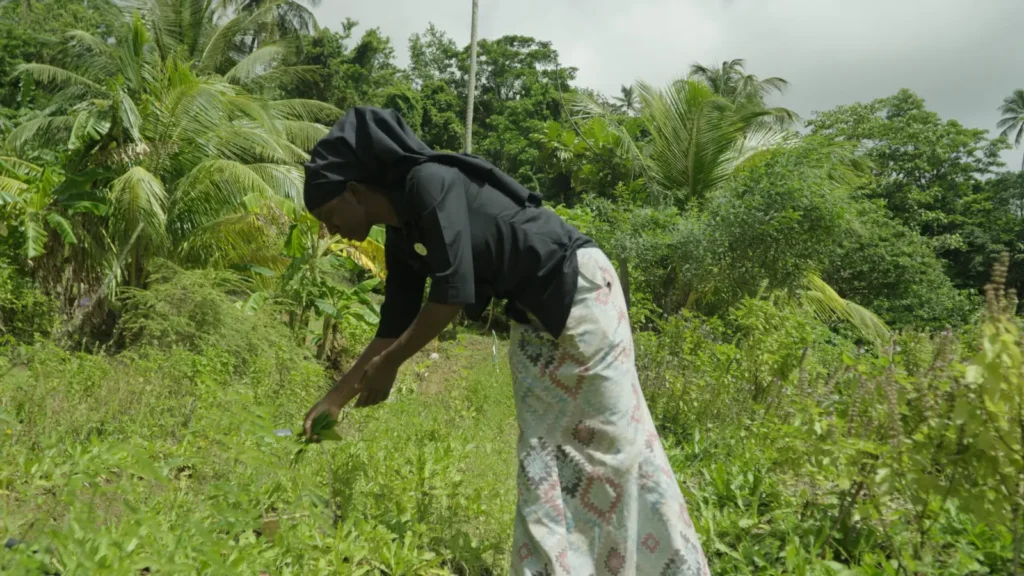

She is plant based too, and lives the way she serves. That makes a big difference. A cook who eats her own food doesn’t cut corners on it.
Empress Channel’s coconut rundown with herbs, breadfruit and a garden salad

You can see, touch, smell and pick every ingredient in the coconut rundown she made. One of my favourite meals to date.
Rundown is the coconut milk stew cooked across the Caribbean, named for its rich, runny sauce. This is what went into hers.
- Coconut milk, homemade by blending the coconut and squeezing it by hand
- Basil, freshly picked
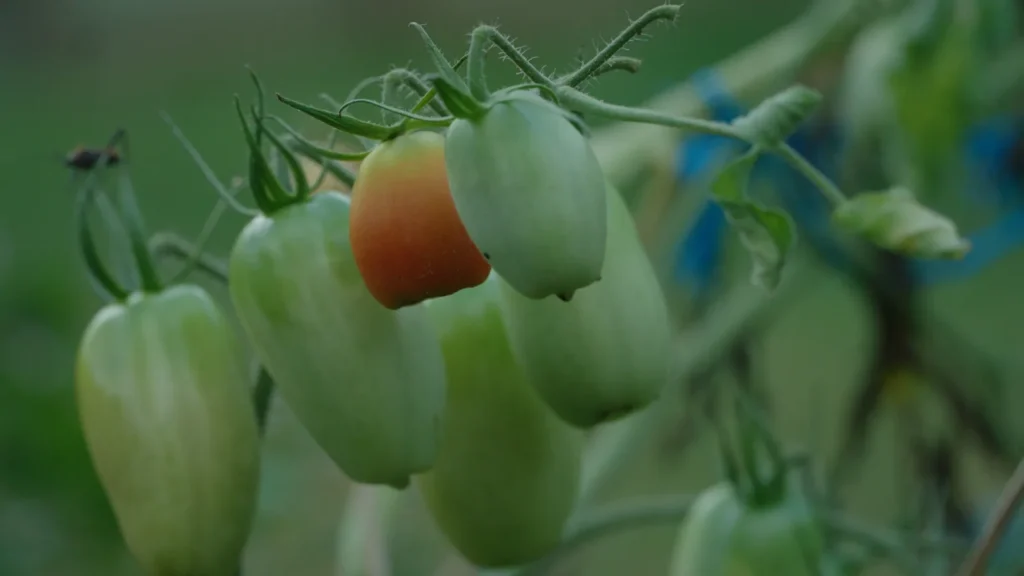
- Tomato, from the garden
- Breadfruit, sliced
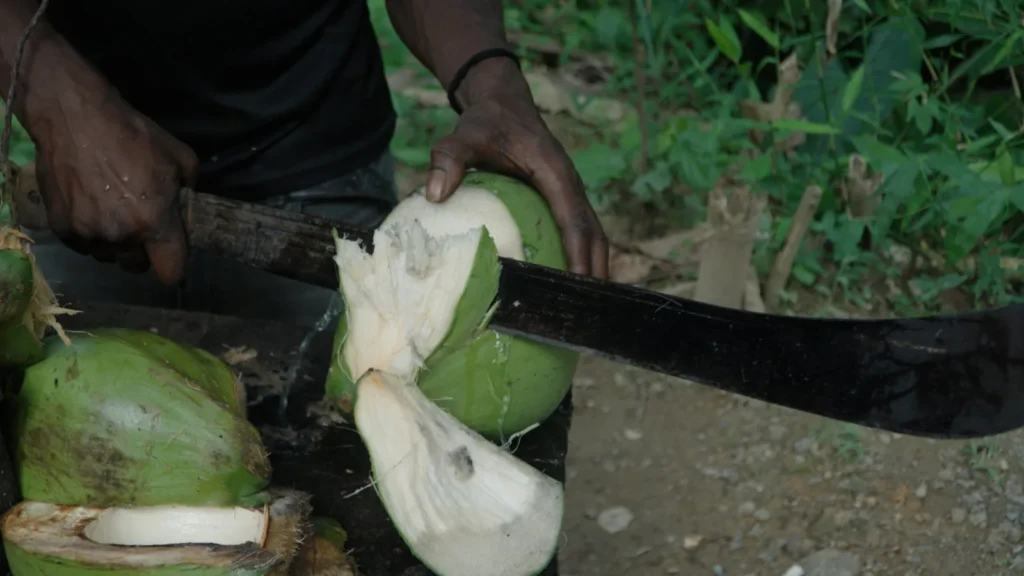

Breadfruit deserves its moment. 100 g gives you 4.9 g of fibre, 490 mg of potassium and 29 mg of vitamin C (USDA FoodData Central). It arrived in the Caribbean on HMS Providence, landing in St Vincent in January 1793 (Northwestern University), shipped in as cheap food for enslaved people on the plantations. Now it’s on a free woman’s table.


This is what went into the salad.
- Lettuce, freshly picked
- Shine bush, freshly picked (shining bush, Peperomia pellucida, soft and peppery)
- Cucumber, freshly picked


Nothing on that plate travelled further than the garden. That is the Throne Standard for a wellness retreat. Anything less is a holiday.
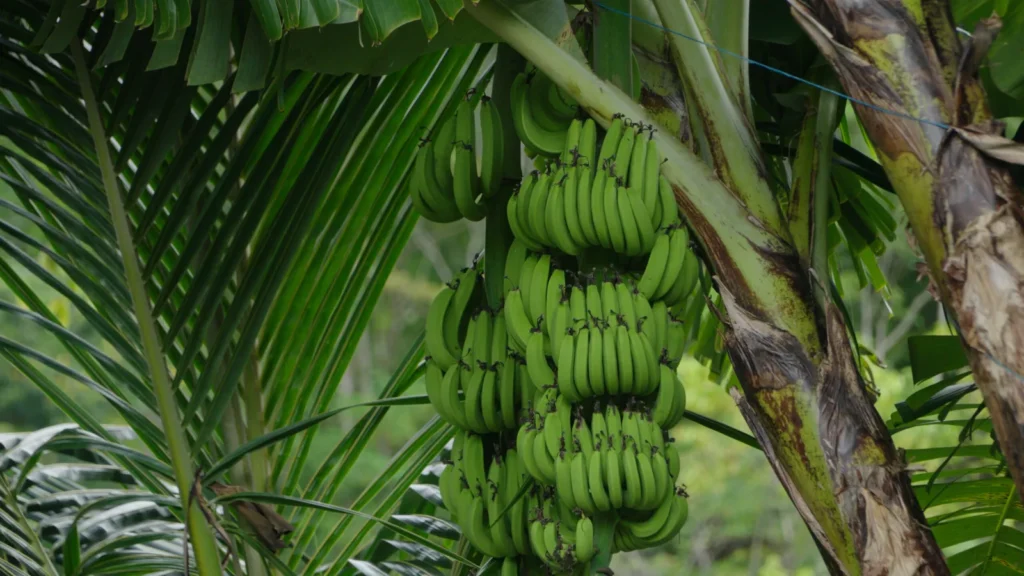
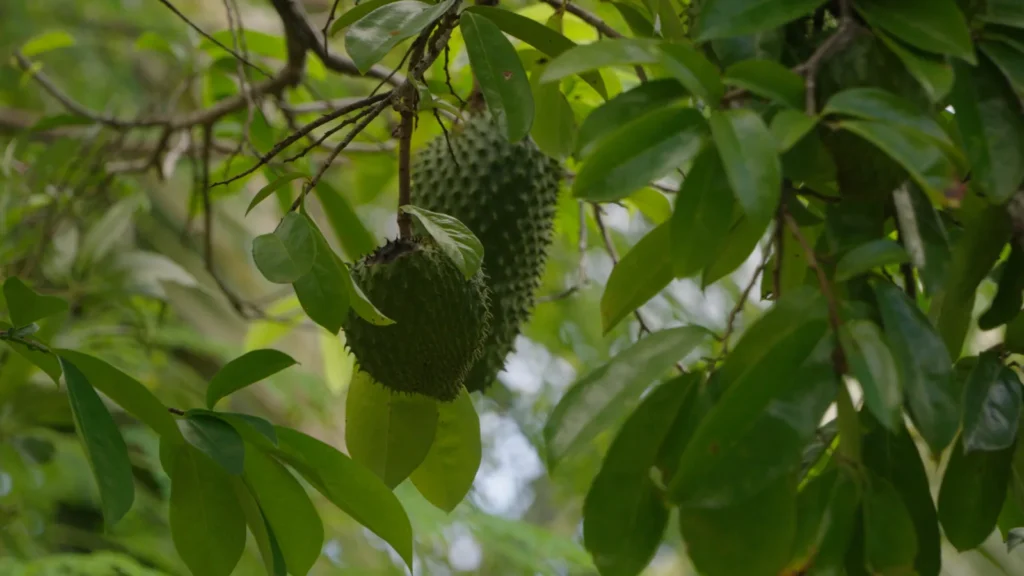
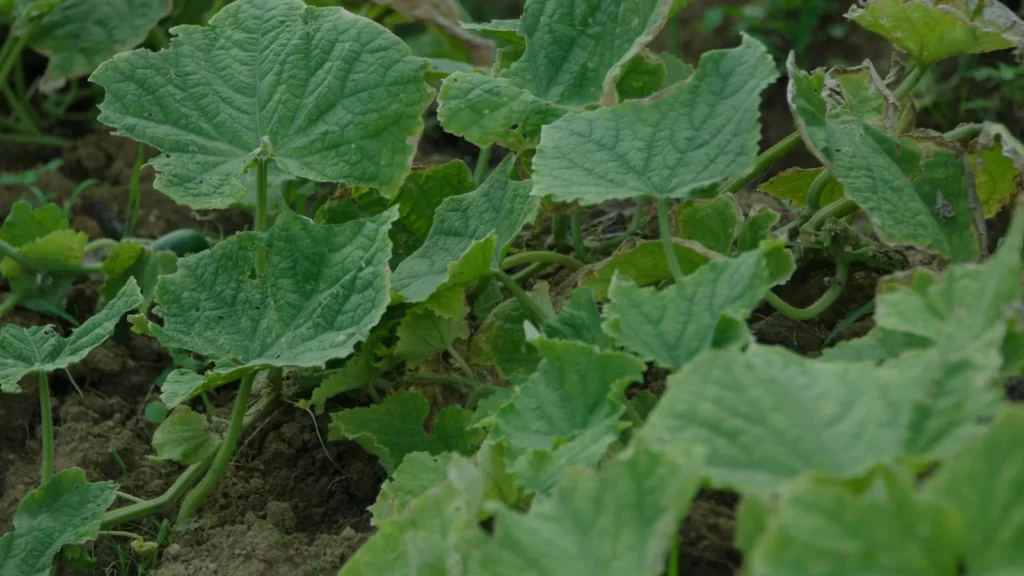
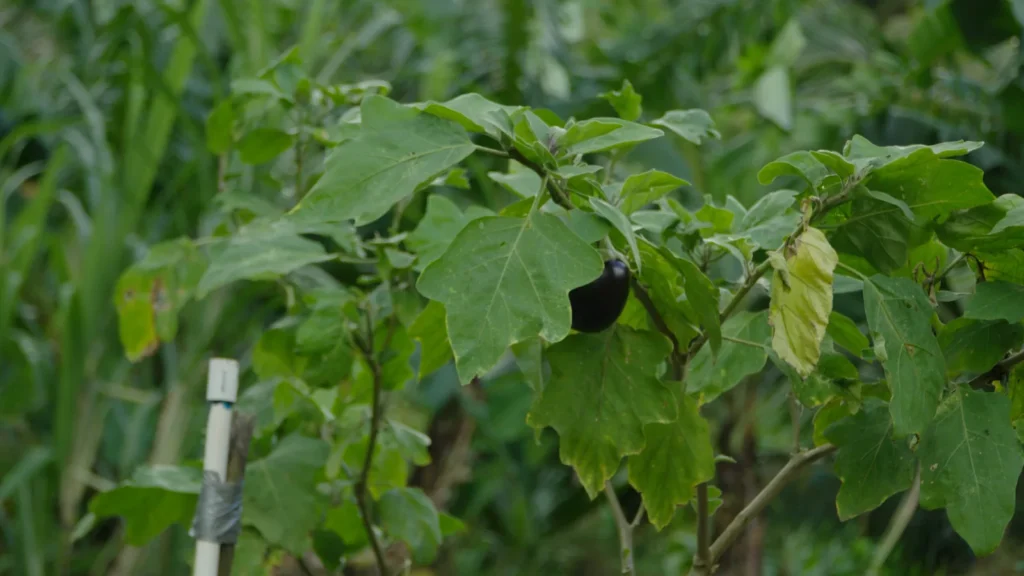
In the garden at Mount Kailash







A personalised self love retreat in Saint Lucia, built around you
The private stay at Mount Kailash is what they call the self love retreat. It isn’t a timetable you squeeze yourself into. It’s a plan written for one body, yours.
When I was there, this is how it worked.
- They check your vitals first. Healing starts with knowing where your body is today, not where a brochure assumes it is.
- You sit in consultation with Priest Kailash. One to one, about your body, your history and what you came to heal.
- Your plan is made for you. The food, the bush teas, the steams, the baths and the rest are chosen for your body alone.
- You live in nature. Private accommodation on the land, every meal included, and your own guide.
- You choose the dates. It runs all year, for one person, a couple or friends healing together.
The self love retreat starts from US$500 a night, with a five night minimum. The group 7-Day Immersion is US$3,000 per person, with fixed dates and full programming, and the next one is in November 2026. If you can’t travel yet, a one to one consultation with Priest Kailash online is US$300. These are the prices on their website as I write this, so confirm them when you message.
To design your own, message the team directly on WhatsApp.
The top rated wellness retreats in Saint Lucia, checked against what heals
These are the wellness retreats and resorts named most often as Saint Lucia’s best. I checked each one against everything a healing retreat should be, and everything Mount Kailash is. I read their own websites first, then their reviews, on 29 October 2026.
✓ means they clearly do it. ◐ means partly, or only in one corner of the resort. ✗ means they don’t. ○ means they don’t say. For a healing retreat, silence is an answer too. Every symbol links to its source, so tap it and read it for yourself.
How Saint Lucia’s top wellness retreats are rated
| Retreat | Throne Standard | Google rating | TripAdvisor rating |
|---|---|---|---|
| Mount Kailash | 5/5 | 4.9 (16) | No listing yet |
| BodyHoliday | Not yet scored | 4.7 (501) | 4.7 (3,588) |
| Jade Mountain | Not yet scored | No listing yet | 4.8 (1,342) |
| Anse Chastanet | Pending | 4.6 (368) | 4.5 (1,718) |
| Ladera | Not yet scored | 4.6 (680) | 4.7 (2,184) |
| Fond Doux | Pending | 4.4 (413) | 4.6 (1,326) |
| TheLifeCo St Lucia | Not yet scored | No listing yet | No listing yet |
| Balenbouche | 4/5 | 4.9 (68) | 4.7 (166) |
| Rabot Hotel | Pending | 4.5 (624) | 4.6 (916) |
| StolenTime | Not yet scored | 4.6 (484) | 4.6 (3,684) |
| Stonefield | Not yet scored | 4.6 (374) | 4.6 (1,194) |
| Sugar Beach | Not yet scored | No listing yet | 4.6 (3,085) |
| Cap Maison | Not yet scored | 4.8 (187) | 4.7 (1,253) |
| Sol Sanctum | Pending | 4.8 (53) | 4.9 (11) |
The Throne Standard is the My Ideal World eco score, given only when there is enough current evidence to score a stay. Google and TripAdvisor ratings show the number of reviews in brackets.
Food and land at Saint Lucia’s top wellness retreats
| Retreat | Farm on site | Farm to table | Organic, no pesticides | Plant based food | Plant based owners | In nature |
|---|---|---|---|---|---|---|
| Mount Kailash | ✓ | ✓ | ✓ | ✓ | ✓ | ✓ |
| BodyHoliday | ◐ | ◐ | ✓ | ✗ | ○ | ◐ |
| Jade Mountain | ✓ | ◐ | ✓ | ✗ | ○ | ✓ |
| Anse Chastanet | ✓ | ◐ | ✓ | ✗ | ○ | ✓ |
| Ladera | ◐ | ◐ | ◐ | ✗ | ○ | ✓ |
| Fond Doux | ✓ | ◐ | ✓ | ✗ | ○ | ✓ |
| TheLifeCo St Lucia | ◐ | ○ | ◐ | ✓ | ○ | ✗ |
| Balenbouche | ✗ | ✗ | ◐ | ✗ | ○ | ✓ |
| Rabot Hotel | ✓ | ◐ | ✓ | ✗ | ○ | ✓ |
| StolenTime | ◐ | ◐ | ○ | ✗ | ○ | ◐ |
| Stonefield | ◐ | ◐ | ✓ | ✗ | ○ | ✓ |
| Sugar Beach | ○ | ○ | ○ | ✗ | ○ | ◐ |
| Cap Maison | ○ | ○ | ○ | ✗ | ○ | ◐ |
| Sol Sanctum | ○ | ○ | ○ | ✗ | ○ | ✗ |
Healing and care at Saint Lucia’s top wellness retreats
| Retreat | Spiritual practice | Caribbean or African healing | Local herbal medicine | Qualified medical professional | Personal plan and health check |
|---|---|---|---|---|---|
| Mount Kailash | ✓ | ✓ | ✓ | ✓ | ✓ |
| BodyHoliday | ✓ | ○ | ◐ | ◐ | ✓ |
| Jade Mountain | ✓ | ○ | ◐ | ○ | ◐ |
| Anse Chastanet | ✓ | ○ | ◐ | ○ | ◐ |
| Ladera | ✓ | ◐ | ◐ | ○ | ◐ |
| Fond Doux | ○ | ○ | ◐ | ○ | ○ |
| TheLifeCo St Lucia | ✓ | ○ | ◐ | ✓ | ✓ |
| Balenbouche | ✓ | ○ | ○ | ✗ | ◐ |
| Rabot Hotel | ◐ | ○ | ◐ | ○ | ○ |
| StolenTime | ✓ | ○ | ◐ | ○ | ○ |
| Stonefield | ◐ | ○ | ◐ | ○ | ◐ |
| Sugar Beach | ◐ | ○ | ◐ | ○ | ◐ |
| Cap Maison | ◐ | ○ | ○ | ○ | ◐ |
| Sol Sanctum | ✓ | ○ | ○ | ◐ | ◐ |
A natural water source means a river, spring or mountain source of their own. A filter on the public supply is not the same thing.
Water, energy and waste at Saint Lucia’s top wellness retreats
| Retreat | Natural water source | Solar power | Compost | Eco certified |
|---|---|---|---|---|
| Mount Kailash | ✓ | ✓ | ✓ | ○ |
| BodyHoliday | ✗ | ✓ | ✓ | ◐ |
| Jade Mountain | ◐ | ○ | ✓ | ◐ |
| Anse Chastanet | ◐ | ○ | ✓ | ◐ |
| Ladera | ◐ | ◐ | ○ | ✓ |
| Fond Doux | ◐ | ◐ | ○ | ✓ |
| TheLifeCo St Lucia | ○ | ○ | ○ | ○ |
| Balenbouche | ✗ | ◐ | ✓ | ◐ |
| Rabot Hotel | ○ | ○ | ○ | ◐ |
| StolenTime | ○ | ◐ | ◐ | ◐ |
| Stonefield | ○ | ○ | ○ | ○ |
| Sugar Beach | ◐ | ✓ | ○ | ○ |
| Cap Maison | ◐ | ◐ | ○ | ◐ |
| Sol Sanctum | ○ | ○ | ○ | ○ |
None of Saint Lucia’s other top retreats offer Caribbean or African healing. Their healing is Ayurveda, reiki and yoga.
Thirteen retreats, and not one of them offers the healing that was born on this island. The closest is Ladera, where the spa rituals honour traditional Saint Lucian healing practices, but as spa inspiration, not as bush medicine. Everywhere else, the medicine on the menu comes from India. Only Mount Kailash grows the food, makes the medicine, drinks from its own source and runs on the sun, all in one place, and does it in the tradition of the ancestors.
What each wellness retreat in Saint Lucia gets right, and what it misses
Mount Kailash Rejuvenation Centre, past Marc in the centre of the island
From US$500 a night private, US$3,000 for the 7-Day Immersion. Their website.
The only retreat here that ticks every box that heals. The food, the medicine and the water all come from the land it stands on, it runs on the sun, and the healing is Caribbean and African, not borrowed. Priest Kailash is a herbal physician who also studied medicine. The one gap is paperwork, with no eco certification yet.
BodyHoliday, Cap Estate, Gros Islet
About US$2,000 a night all inclusive. Their website.
The island’s best known wellness resort, with an organic garden, solar panels, compost and a real diagnostics clinic. But the garden only feeds the I-TAL restaurant, three nights a week at an extra US$75 to US$90. The rest of the resort eats like a resort, the healing is Ayurvedic, and the water is the public supply, filtered.
Jade Mountain, Soufrière
7 nights from £4,712 per person. Their website.
An organic farm twenty minutes away, compost, and a reservoir of rain and river water that supplements the public supply. But there’s no solar on a fossil fuel grid, the menu is not plant based, and the healing is Ayurvedic.
Anse Chastanet, Soufrière
From US$550 a night room only, plus 20% VAT and fees. Their website.
Same owner, farm and water as Jade Mountain, and home to Emeralds, a fully vegan menu. Organic waste is composted. The other restaurants serve meat and fish, there’s no solar, and the healing is Ayurvedic.
Ladera and lévé Wellness, Soufrière
From about US$533 a night. Their website.
Kitchen gardens and orchards on 17 acres in the rainforest, daily sunrise meditation, and Green Globe certified. The menus are not plant based, the solar heats water only, and the spa’s herbs are used for beauty, not medicine.
Fond Doux Eco Resort, Soufrière
From about US$168 a night. Their website.
A working cocoa estate that is certified organic and Green Globe certified, owned by Saint Lucians Eroline and Lyton Lamontagne. There’s no spiritual practice or healing on offer, solar heats water only, and the menu has seafood and meat.
TheLifeCo St Lucia, Rodney Bay
From US$600 a night all inclusive. Their website.
The most medical retreat on the island, with physicians, a medical assessment and a fully plant based raw menu. But it sits inside a resort, residential and shopping development on Rodney Bay, its organic farm is still a plan, and it says nothing about water, energy or waste.
Balenbouche Estate, Laborie
From US$160 a night. Their website.
70 protected acres by the sea, no chemical fertilisers or pesticides since 1987, compost, and yoga and meditation retreats. Their own FAQ says the farm became a small family plot in the early 1990s, so the food is not from the estate, and the tap water is the public supply.
Rabot Hotel from Hotel Chocolat, Soufrière
From about US$618 a night. Their website.
A 140 acre organic cacao estate with open lodges among the trees. The wellness is cacao treatments and yoga, the menu has seafood, and the website says nothing about water, energy or compost.
StolenTime by Rendezvous, Castries
From about US$1,239 a night all inclusive. Their website.
Guided meditation, sound baths and a vegan menu at every restaurant. But it’s a beach resort on the edge of town, nothing is grown or organic that we could confirm, and the water source isn’t stated.
Stonefield Villa Resort, Soufrière
From about US$607 a night. Their website.
Wholly owned by Anista Brown, a Black Saint Lucian woman. Organic herbs, fruit and vegetables from its own gardens, private villas on a 26 acre hillside, and yoga in the forest. It says nothing about its water, energy or waste, and the menu has fish and meat.
Sugar Beach, A Viceroy Resort, Val des Pitons
From about US$1,063 a night. Their website.
The most beautiful spa setting here, with treehouse treatment rooms under Petit Piton and solar panels on site. It is a luxury beach resort, not a healing programme. There’s no farm, the menus are mixed, and there’s no health assessment.
Cap Maison, Cap Estate
From about US$738 a night. Their website.
Solar panels on the roofs and rain caught for the laundry, on a clifftop cove. No farm, no plant based menu, French spa products, and no healing programme.
Sol Sanctum, Rodney Bay
About US$200 a night with breakfast. Their website.
A small, alcohol free wellness hotel with a real meditation and breathwork programme and a psychotherapist on the team. It sits in busy Rodney Bay Village, with no garden, no plant based kitchen and nothing on water or energy.
The best healing retreats in the Caribbean, checked against what really matters
I searched the whole Caribbean, from Jamaica and Dominica to Grenada, Tobago and the Caribbean coast of Central America, for retreats that tick every box or miss only one. Outside Mount Kailash, not one came that close. These are the closest, checked the same way, against their own websites and their reviews.
How the Caribbean’s best healing retreats are rated
| Retreat | Throne Standard | Google rating | TripAdvisor rating |
|---|---|---|---|
| Mount Kailash, Saint Lucia | 5/5 | 4.9 (16) | No listing yet |
| Rosalie Bay, Dominica | Pending | 4.5 (175) | 4.0 |
| Coulibri Ridge, Dominica | Pending | 4.9 (35) | 5.0 (20) |
| Zimbali Retreats, Jamaica | Not yet scored | No listing yet | 4.8 (316) |
| La Loma Jungle Lodge, Panama | Pending | 4.8 (136) | 4.9 (492) |
| Copal Tree Lodge, Belize | Pending | 4.7 (307) | 4.9 (710) |
| Samasati, Costa Rica | Pending | 4.3 | 4.5 (435) |
| 3 Rivers Eco Lodge, Dominica | Not yet scored | No listing yet | 4.6 (82) |
Land, water and air at the Caribbean’s best healing retreats
| Retreat | Farm on site | Organic, no pesticides | Plant based food | In nature | Natural water source | Solar or off grid | Compost | Chemical free | Clean air and quiet |
|---|---|---|---|---|---|---|---|---|---|
| Mount Kailash, Saint Lucia | ✓ | ✓ | ✓ | ✓ | ✓ | ✓ | ✓ | ✓ | ✓ |
| Rosalie Bay, Dominica | ◐ | ✓ | ✗ | ✓ | ○ | ✓ | ○ | ○ | ◐ |
| Coulibri Ridge, Dominica | ✓ | ✓ | ○ | ✓ | ✓ | ✓ | ○ | ◐ | ✓ |
| Zimbali Retreats, Jamaica | ✓ | ✓ | ✗ | ✓ | ○ | ○ | ○ | ○ | ✓ |
| La Loma Jungle Lodge, Panama | ✓ | ✓ | ✗ | ✓ | ✓ | ✓ | ✓ | ✓ | ✓ |
| Copal Tree Lodge, Belize | ✓ | ✓ | ✗ | ✓ | ✓ | ○ | ✓ | ◐ | ✓ |
| Samasati, Costa Rica | ✗ | ◐ | ◐ | ✓ | ✓ | ○ | ✓ | ◐ | ✓ |
| 3 Rivers Eco Lodge, Dominica | ◐ | ✓ | ○ | ✓ | ✓ | ✓ | ✓ | ✓ | ◐ |
Healing at the Caribbean’s best healing retreats
| Retreat | Caribbean or African healing | Local herbal medicine | Personal plan and health check | Spiritual practice |
|---|---|---|---|---|
| Mount Kailash, Saint Lucia | ✓ | ✓ | ✓ | ✓ |
| Rosalie Bay, Dominica | ◐ | ✓ | ✓ | ✓ |
| Coulibri Ridge, Dominica | ○ | ◐ | ○ | ✓ |
| Zimbali Retreats, Jamaica | ◐ | ◐ | ○ | ○ |
| La Loma Jungle Lodge, Panama | ✗ | ✗ | ✗ | ◐ |
| Copal Tree Lodge, Belize | ◐ | ✓ | ✗ | ◐ |
| Samasati, Costa Rica | ◐ | ◐ | ◐ | ✓ |
| 3 Rivers Eco Lodge, Dominica | ○ | ○ | ○ | ◐ |
Dominica comes closest. Rosalie Bay runs on river hydro and solar, and offers a real consultation, bush tea and a medicinal plant walk, but its menu isn’t plant based and it doesn’t say where its water comes from. Coulibri Ridge has the farm, the rainwater, the solar and chlorine free pools, but its healing is a spa. La Loma in Panama and 3 Rivers in Dominica are the cleanest on the land, with their own water, the sun and compost, but neither offers healing. Zimbali in Jamaica has the farm and a Rasta herbalist, and says nothing about its water or power.
Every one of them is doing real work. None of them does all of it.
Questions to ask a wellness retreat before you book
If you are booking a wellness, rejuvenation, detox or healing retreat, anywhere in the Caribbean or anywhere in the world, these questions are mandatory. Not nice to have. Mandatory.
Ask them by email, so you have the answers in writing. A real retreat answers every one of them plainly, with names, places and numbers. Most of the ones that can’t are not lying to you. They are businesses trying their hardest to please, and some of them don’t know the answers themselves. But not knowing is still misleading. And for someone who is coming to heal, it’s dangerous.
Don’t give yourself a false positive. Be real, and be true to yourself.
| Ask this | Why it matters | A real answer sounds like | Walk away if |
|---|---|---|---|
| Is the food grown here, on site? | Food is the first pillar. If it isn’t grown where you sleep, you can’t see how it was grown. | “Most of what you eat comes from our garden. Here’s what is in season while you’re here.” | “We use the freshest local ingredients” and nothing more specific. |
| If it isn’t grown on site, where exactly is it from, and how far away? | “Local” can mean a farm down the road or a container from the port. | Farm names, the village, how many miles, how often they buy. | They can’t name a single farm. |
| Is it organic? If not certified, what do the farms spray? | Certification is expensive and many small farmers can’t pay for it, so the logo isn’t the point. The spray is. | “Our growers don’t spray. Here is what they use instead.” Or the honest names of what is used. | “It’s natural” with no detail, or they don’t know. |
| Which pesticides are used near the property, and on what? | Saint Lucia uses about ten times the world average of pesticide per hectare, and paraquat is still registered there. Spray drifts onto homes. | The product names, or a clear “none within our land and our neighbours’.” | They have never asked their neighbours or their suppliers. |
| Do you serve farm to table meals every day, or only on an excursion? | A farm visit once a week doesn’t change what’s on your plate the other six days. | “Every meal, every day.” | Farm to table is an add on. |
| Is every meal plant based, and who cooks it? | Your body is being asked to rest and repair. The cook’s own lifestyle shows in the food. | A named cook who eats the way they serve. | A rotating menu from a catering supplier. |
| Where does the drinking water come from, and is it filtered or tested? | Lowland rivers can carry farm runoff and sewage. Water is the second pillar. | “River water from above the farms” or “harvested rain”, with how it’s filtered and tested. | “It’s fine, everyone drinks it” or a fridge full of plastic bottles. |
| Where does the shower, bath and pool water come from, and what is it treated with? | You absorb what you soak in, and steams and baths are a large part of many healing programmes. | The source and the treatment, by name. | Heavily chlorinated mains water nobody has thought about. |
| What powers the property? | On most Caribbean islands the grid runs on imported diesel, so the air you breathe and the power you use come from the same tanker. | Solar, with the share it covers. | They don’t know where their power comes from. |
| What happens to the food waste and the plastic? | A healing space that sends its waste to landfill is taking from the land it says it honours. | “Composted and returned to the garden. Plastic separated, and we avoid it.” | Single use plastic at every meal. |
| Who leads the healing, and where does their knowledge come from? | Leadership is the fourth pillar. Lineage, training and how they live matter. | A named healer, their tradition, their teachers, and how long they’ve practised. | A rotating line up of visiting facilitators nobody can tell you much about. |
| What is next to the property? | A beautiful garden downwind of a sprayed plantation, a main road or a port isn’t a clean environment. | An honest description of the neighbours. | They change the subject. |
| Can I see the garden and the kitchen before I book? | A real place is proud to show you. | “Of course, here is a video” or a live call. | Only professional photos of the pool. |
If a retreat can answer all of these, book it and go and heal. If it can’t, call it what it is. A holiday. There’s nothing wrong with a holiday, as long as you don’t fly home believing you healed.
Is it okay to choose a wellness retreat that doesn’t meet every standard?
Yes, as long as you know what you are choosing. A beautiful resort with a good spa will rest you, and rest matters. Sleep, sea air and a week away from your phone are good for anyone.
But rest is not healing. If you are going to a retreat to heal, to reverse something or to clear something out of your body, then the standards in this post are not extras. They are the medicine. Food grown without chemicals. Water from a clean source. Air you can breathe deeply. Someone qualified who knows your body.
We know this standard is hard to meet. Most of the places in this post are doing real work, an organic garden here, solar panels there, a vegan kitchen, a reservoir. Every step counts, and we see it. Mount Kailash simply does all of it, in one place, and that is rare anywhere in the world.
So choose with your eyes open. Book the resort for the rest. Book the retreat for the healing. And never confuse the two.
Your questions about wellness and healing retreats in Saint Lucia, answered
Is Mount Kailash a wellness retreat for Black people?
Yes, and it welcomes everyone. It is a Caribbean healing retreat rooted in Saint Lucian bush medicine and African spirituality, so Black guests from the islands and the diaspora come here to heal inside a tradition that is their own. If you have searched for a wellness retreat for Black women and found yoga borrowed from someone else’s culture, this is the medicine of your ancestors, on the land it survived on.
Is this a healing retreat for people of colour?
Yes. The medicine here comes from the Kalinago and from the enslaved Africans who rebuilt their plant knowledge on this island. People of colour come to heal in a place where their food, herbs and spirituality are the centre of the healing, not the decoration. The door is open to everyone.
What is a self love retreat?
A self love retreat is a stay built around restoring your relationship with yourself, in body, mind and spirit. At Mount Kailash it is the private retreat. Your vitals are checked, you sit in consultation with Priest Kailash, and your plan of food, herbs, steams and rest is written for you alone.
Can I book a personalised or private wellness retreat in Saint Lucia?
Yes. The self love retreat at Mount Kailash is fully personalised, with your own dates, private accommodation, all meals and one to one sessions with Priest Kailash. It starts from US$500 a night with a five night minimum, and you book it with the team on WhatsApp.
How much does a wellness retreat in Saint Lucia cost?
At Mount Kailash, the group 7-Day Immersion is US$3,000 per person and the private self love retreat starts from US$500 a night. Before you compare prices anywhere, ask what is included and where the food is grown. A cheaper retreat that feeds you sprayed food is no saving for your health.
What is the best wellness retreat in the Caribbean?
The best wellness retreat in the Caribbean is the one that grows its own food, knows its water source and keeps chemicals out of both. Of the nine stays My Ideal World has fully scored, Mount Kailash in Saint Lucia scores highest, 5 out of 5.
What is a healing retreat?
A healing retreat is a stay designed to restore the body, not only rest it. That means clean food, clean water, clean air, real plant medicine and guidance from someone who knows your body. Without those, it is a holiday.
What do you do at a wellness retreat in Saint Lucia?
At Mount Kailash you eat plant based meals from the garden, drink bush tea brewed every afternoon, take herbal steams, bathe in river water at its source, walk the land with the people who grow the medicine and sit in consultation with Priest Kailash.
Is a wellness retreat good for burnout?
Yes, when it removes what is draining you and replaces it with real nourishment. Mount Kailash describes its retreats as for those running on empty. Off grid, in the mountains, with food and herbs grown for your healing, your nervous system finally gets to rest.
What is a detox retreat, and does it work?
A detox retreat helps the body clear what it has been carrying, through food, herbs, water and rest. It only works if the retreat stops putting chemicals in. A detox that feeds you food sprayed with pesticides is a false positive.
Is Mount Kailash all inclusive?
Yes. The group immersion includes plant based meals, daily workshops, rainforest excursions, a personal consultation and airport transfers. The private self love retreat includes all meals, private accommodation, your own guide and one to one sessions with Priest Kailash.
What are the top rated wellness retreats in Saint Lucia?
The names that come up most are BodyHoliday, Sugar Beach, Ladera, Jade Mountain, Anse Chastanet, TheLifeCo, Cap Maison and Stonefield. Checked against what a healing retreat must be, Mount Kailash is the only one that grows its own food, makes its own medicine, drinks from its own source and runs on solar.
Is there a Black owned wellness retreat in Saint Lucia?
Stonefield Villa Resort in Soufrière is wholly owned by Anista Brown, a Black Saint Lucian woman, and Fond Doux is owned by Saint Lucians Eroline and Lyton Lamontagne. Mount Kailash is led by Saint Lucian herbalist Priest Kailash K. Leonce, and it is the only one of them built around healing.
Is it okay to go to a wellness retreat that isn’t fully organic or plant based?
Yes, if you are going to rest. A good resort will rest you. But if you are going to heal, food grown without chemicals, clean water and clean air are the medicine, so choose a retreat that meets them. Very few do, and Mount Kailash is one of them.