
Farm to table food travel should give the grower more than a decorative sentence on a menu. I want to hear who planted the food, what they are harvesting and how the kitchen works with what is actually available.
You do not need to cross several countries to ask those questions. Choose a food story in the place you already intend to visit, then leave enough time to follow it.
Our original reporting leads into a Jamaican field and to cacao and coffee businesses in Colombia. A Devon kitchen garden offers another starting point, using its current visitor information rather than a visit I am claiming to have made.
The routes below are proposed plans. A filmed conversation is a record of that meeting, while an operating tour needs its own current booking and access arrangements.
I would choose one of these regions. Turning all three into a food itinerary would create far more travel than the question requires.
In Jamaica, begin with the farm behind the restaurant
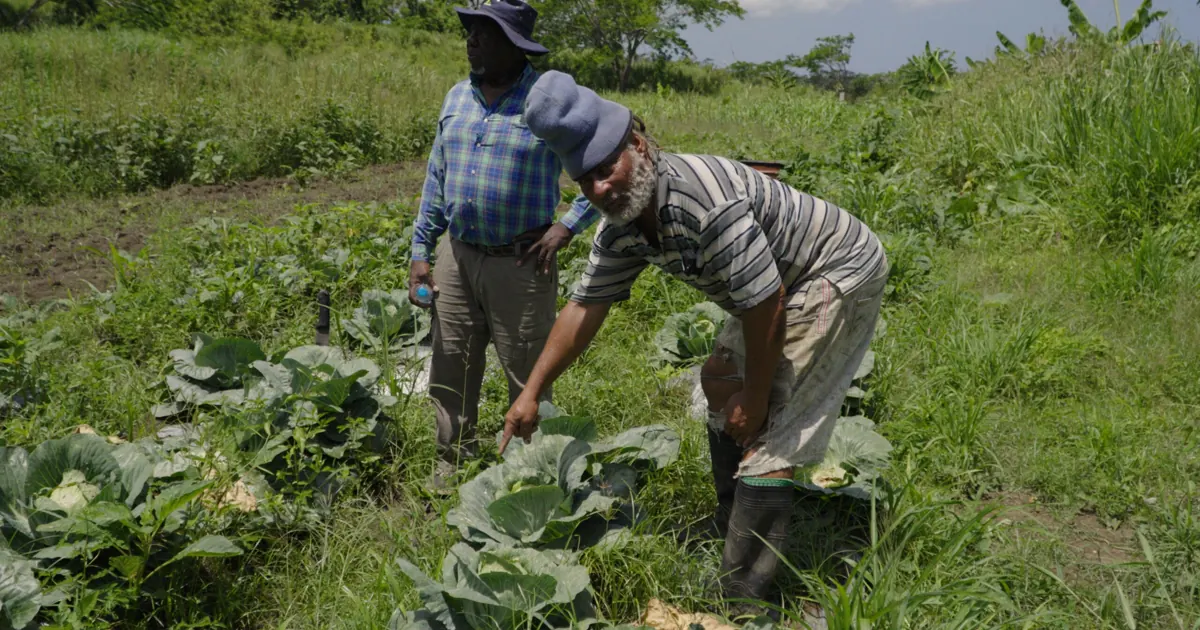
Muffy’s farm supplies Charela Inn’s restaurant in Negril. In our original visit to Haddon Hall, Green Island, he showed me cabbage, callaloo, crops recovering after hurricane damage and plants kept for seed. The full farm walk lets him explain the work.
He showed me how to feel whether a cabbage was ready. That moment carries more information about a harvest than a photograph of a finished plate. The crop has a condition and a timing, and somebody has to make the decision.
Charela Inn’s own restaurant page describes its farm connection. It also makes clear that the menu includes animal products. If you want a plant based meal, agree the actual dishes and preparation with the kitchen rather than treating a farm connection as a dietary guarantee.
Farm access must be arranged with the people responsible. Our visit does not establish a public tour schedule, a ticket price or a right to walk through a working field.
A proposed three day food route around a Negril base
Use the first day to settle into your base, arrange food and confirm any visit that has been agreed. Do not place an uncertain farm appointment immediately after a long arrival journey. Give the host a way to tell you if weather or farm work changes the plan.
For the second day, make the confirmed farm or grower conversation the main event. Leave time for transport and a meal. Ask what is ready now and what the kitchen receives, rather than requesting the crops shown in an older film as though they were permanent exhibits.
Use day three for a meal that follows the sourcing discussion and one manageable local shopping stop if it suits your onward route. Ask the seller which produce they grew and which they bought in. Both can have a place in a useful food shop, but the distinction should be clear.
This is a suggested rhythm around an existing Negril stay. It is not a package sold by the farm or a claim that every element operates on your dates. Our farm to table dining article follows the restaurant relationship further.
Colombia gives cacao and coffee their own stories
Our Origen Cacao film was recorded in San Roque, Antioquia. It introduces the people explaining the cacao and the business during that visit. The original Origen film is the reporting source, rather than a certification of every current batch or supply chain claim.
Origen’s current website offers a farm and factory tour, describes a duration of approximately three and a half hours and says transport to San Roque is not included. The page displayed US$100 when reviewed. Confirm the selected participant type, date and complete price with the operator before arranging travel.
The business also offers retreats and longer stays through its related community site. A day tour, an overnight stay and a cacao retreat have different inclusions. Read the product you actually intend to reserve.
In Medellín, our Nañikue coffee film introduces coffee presented through Kogi sourcing. The Younger Brothers’ current Colombian shop also lists Kogi and Arhuaco coffees. Keep those supplier descriptions attributed to the business, and ask for the producer and lot information relevant to the coffee you intend to buy.
San Roque needs transport time outside the cacao tour
For a proposed three day plan, spend the first day in your Medellín base and confirm the onward journey and appointment. You can watch the coffee film and investigate the current coffee offer without assuming the filmed location still operates with the same hours.
The second day can hold the confirmed San Roque visit, but only after you have agreed a realistic transport plan with the operator. The tour duration does not include the journey there. Do not add an unrelated distant excursion just because the factory element lasts part of a day.
Keep the third day for a local meal, shopping or an additional conversation arranged in advance. If the operator recommends staying nearer San Roque for your particular visit, compare that with travelling from the city and choose the arrangement that fits your time.
I would ask what is grown at the property, what is sourced from other farmers and what the tour actually shows. Ceremonial, organic and ethical sourcing are separate descriptions. None removes the need to ask about the people and process behind the product.
In Devon, the kitchen garden gives a meal a specific source
The Riverford Field Kitchen is at Wash Farm in Devon. Its own garden page describes an organic kitchen garden connected with the restaurant. This is a current operator description, not a farm tour I have personally reported on.
Use the restaurant’s own dining and event information to choose the visit. A restaurant booking does not automatically include unrestricted access to the growing areas. Confirm any garden walk, workshop or additional activity separately.
The kitchen is centred on vegetables but is not presented here as an exclusively vegan venue. Specify the menu you need when booking. Our restaurant gift guide also explains why a Field Kitchen dining voucher and a Riverford grocery voucher are different products.
For a proposed short break, use the arrival day to reach your base and arrange food. Make the confirmed meal or workshop the main activity on day two. Leave day three for a manageable local stop and your onward journey. The route should fit the booking you have, rather than rely on an event you hope will appear.
A local market can deepen the trip without becoming another excursion
Ask the host or local visitor service which market is operating during your stay, then check the organiser’s current information. Opening days, seasonal closures and stall attendance can change. A market shown in a travel film is not a permanent timetable.
At the stall, begin with one item you would actually eat. Ask where it was grown, when it was harvested and how to keep it. If organic status matters, ask what evidence covers the produce, rather than assuming nearby means certified organic.
Buy quantities that fit your kitchen and remaining days. A large bag of excellent produce becomes waste if you leave before using it. A smaller purchase and a conversation can be the more useful experience.
The farm shop and supermarket comparison keeps provenance, price and the journey in the same decision. You can combine shops without pretending one type answers every food need.
The grower should be able to shape the visit
Tell the host what you hope to learn and ask what is suitable during that season. A working farm may need to limit visitors, change a route or postpone an appointment. That is part of respecting the work behind the food.
Ask before filming people, entering production areas or touching crops. Agree the price and inclusions directly, including transport, food and any interpreter needed for the conversation. The smallest advertised tour price is not necessarily the whole cost.
My choice is a visit where the grower or maker has time to explain something real. Give their work room in the day. A food journey should leave you knowing the people behind the plate, rather than collecting another claim you never checked.
Sources and further reading
Charela Inn’s current restaurant and farm description
Origen Cacao current farm and factory tour description
Origen community visitor information
The Younger Brothers current Colombian coffee shop
Riverford Field Kitchen garden information
Riverford Field Kitchen current workshops and events
Riverford restaurant location at Wash Farm
Sources and resource pages reviewed on 18 November 2026. Check current access, offers and operating arrangements before making a purchase or journey.
On this story
Comments, questions and answers from signed-in paid members. The conversation will also be available in the app when it launches. Community contributions are not verified editorial findings.
Contribute evidence
Reviews share first-hand experience. Observations can include opinions and objections. Evidence is checked against its sources before publication. Community contributions do not change MIW scores.
Article discussions and evidence contributions are for paid members. They will also be available in the app when it launches.
Sign in to contribute or join the discussion Read this next
Best Local Food Apps in 2026, Find Farmers, Rescue Food and Eat Plant Based
Best local food apps for 2026 compared. Farmish, Too Good To Go, OLIO and HappyCow solve different problems. Find the right one for your area. Compare coverage.Read the story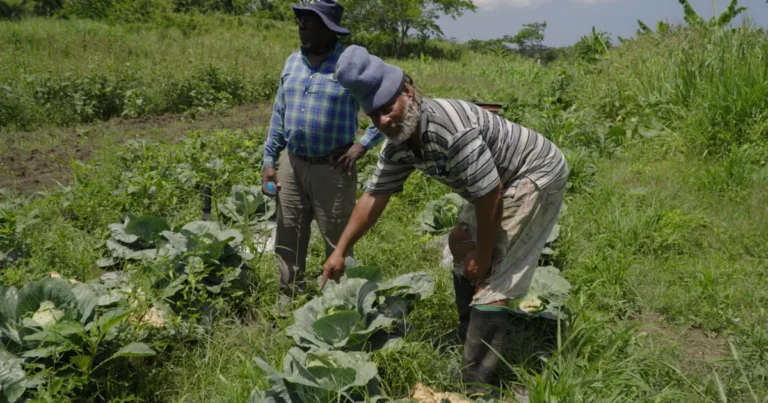 Keep exploring
Food Sovereignty Books and Resources Should Bring You Closer to the Grower
Choose food sovereignty books and resources for your next question. Explore movement writing, food economics, plant relationships and practical cooking.Read the story Keep exploring