
Eat whole food as medicine, grow a little, buy from the farm and share the pot. The real ways through, from the growers, cooks and healers I have sat with.
A one-off energy payment cannot make the weekly shop affordable again. The Budget’s tariff suspensions may reduce costs across parts of the food market, but they are not a direct grocery payment and do not guarantee that every saving reaches shoppers.
The deeper question is how to make nourishing food more affordable and accessible without asking households to accept poorer quality, more packaging or a food system that leaves growers struggling too.
What this guide will help you do
- Spend more carefully by comparing the cost of complete meals, not just individual ingredients.
- Eat well for less with whole-food staples and seasonal produce.
- Find better sources through local growers, farm shops and farmers’ markets.
- Waste less and grow a little with batch cooking, storage and simple home growing.
The latest figures explain why a slower inflation rate does not feel like relief. The Office for National Statistics recorded food and non-alcoholic drink inflation of 1.3% in the year to September 2026. That means prices were still higher than a year earlier.
Parliamentary research found that food prices had already risen by 39.3% between January 2021 and June 2026. When the rate of inflation falls, prices do not automatically fall with it. The increase has already become part of the cost of the weekly shop.
Lower inflation does not mean lower food prices. It means prices are rising more slowly.
For the figures, read the ONS September 2026 inflation release and the House of Commons Library’s analysis of food price rises since 2021.
This guide connects that evidence to practical choices. Start with the UK farm shop map, use the farmers market checklist to ask better questions, and plan around the seasonal food and meal-planning guide.
What the 2026 Budget actually changes
On 28 October 2026, Chancellor John Healey announced a £100 Household Energy Payment for eligible households in Council Tax bands A to D in England, due from January 2027. The Budget also extended the VAT cut on domestic electricity to July 2027 and set out plans to remove gas standing charges in 2027. These are energy measures, not a payment towards the weekly shop.
On food, the Budget announced temporary tariff suspensions on more than 100 imported food products. HM Treasury estimates that the package could reduce consumer costs by £120 million to £185 million a year. That is a forecast across the market, not a guaranteed saving on every household’s shopping.
Read the primary sources:
- The official Budget speech
- Household Energy Payment eligibility details
- The Budget’s food tariff measures
What the former Chancellor announced earlier in the year
Earlier in 2026, former Chancellor Rachel Reeves announced an anti-profiteering framework and a review of targeted food-import tariff reductions. Her March 2026 announcement on food prices and profiteering is important context for understanding how the government says it intends to tackle costs and pass savings through the supply chain.
Jermaine Jones said it in one line when I sat with him at Bush Bungalow in Antigua.
These imported foods that we’re eating, they’re actually making us sick and broke.
Jermaine Jones, Bush Bungalow, from the Ital dinners he cooks from a bungalow in Antigua
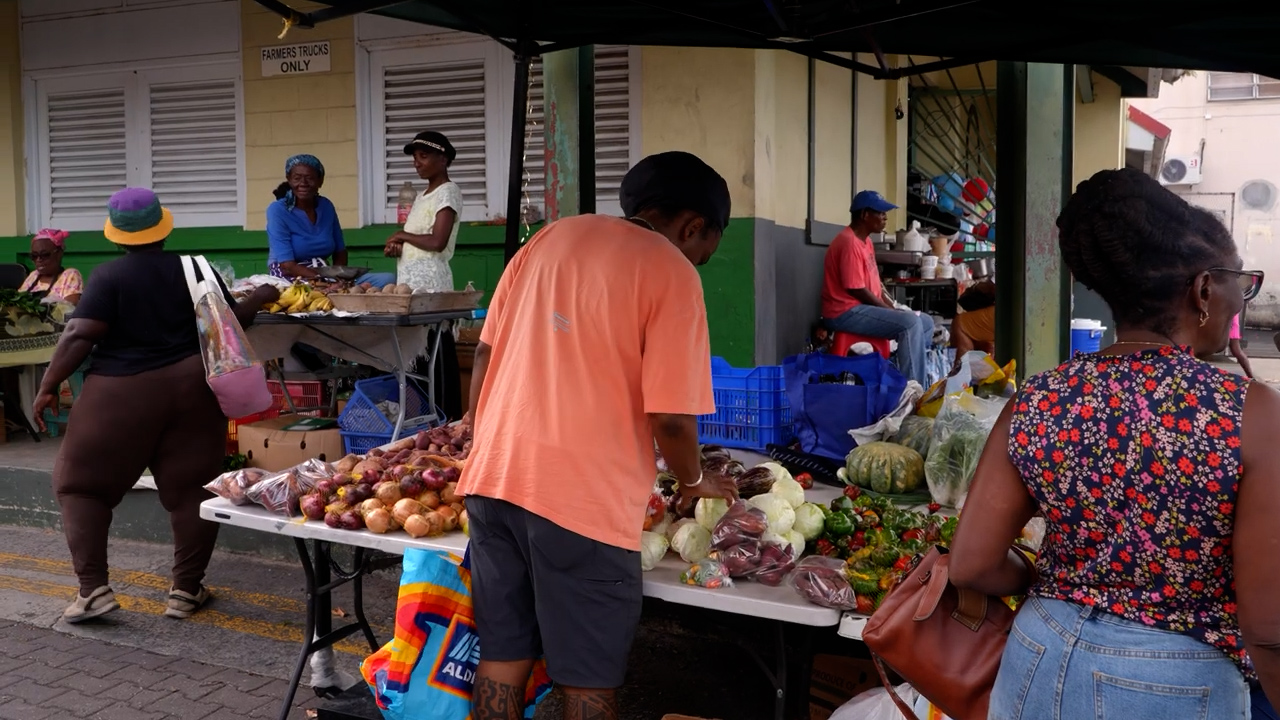
Sick and broke. That is the cost of living crisis, and the answer to both halves is the same. Here is how the people I have interviewed, an Ital chef, a farmer and copper artist, a community kitchen that has fed Texas for 40 years, a food bank garden in the Dominican Republic, a cacao grower in Colombia and a raw food café in Tbilisi, actually live through it. Ready and righteous. Ready means you depend less on a system that can fail you. Righteous means your money and your food do no harm on the way to your plate.
Why food prices still feel high when inflation slows
Inflation is a measure of how quickly prices are changing, not a measure of whether food is affordable. If a bag of potatoes rose sharply over several years and then its price barely changes, the inflation rate can fall while the bag remains expensive. That is why a headline saying inflation has eased can sit alongside a household that still has to put items back at the till. The ONS publishes the monthly rate; the lived experience is the accumulated price level, the size of the household, the distance to affordable shops and how much money remains after rent, energy and travel.
Why the cost travels through the food chain
Food prices are not set by one factor. A grower pays for seed, soil inputs, water, equipment, labour, fuel, packing, storage and transport. A retailer adds its own handling, refrigeration, distribution, staffing and operating costs. Imported food is exposed to exchange rates, shipping, overseas harvests and international energy and fertiliser prices. A disruption in one part of the chain can travel through several others before it reaches a shelf. The government’s UK Food Security Report examines these dependencies and the resilience of the supply chain, including production, imports, transport, labour, water and energy.
Why tariff cuts do not guarantee cheaper food
This is also why a tariff cut should be described accurately. Removing an import tariff can reduce one cost for an importer, but it does not by itself guarantee a lower price in a supermarket. The effect depends on which products are covered, how much is imported, the contract and distribution costs, competition between suppliers and whether the saving is passed on. The 2026 Budget estimates a market-wide saving from its food tariff suspensions; it does not promise that every household will see the same reduction on every item. Compare that policy with the earlier March announcement by former Chancellor Rachel Reeves, which proposed an anti-profiteering framework and explored targeted tariff reductions. Both are relevant to the price environment, but neither replaces the need for transparent supply chains and accessible local food.
Healthy food is still priced out of reach for many
Affordability is not simply a question of whether a person knows how to cook. The Food Foundation’s Broken Plate 2025 report found that healthier foods cost more than twice as much per calorie as less healthy foods, and estimated that the poorest fifth of households would need to spend 45% of disposable income on the government-recommended healthy diet, rising to 70% for households with children. That is a structural barrier, not a failure of individual willpower. A useful guide has to recognise it while showing where practical choices can still make a difference.
How to compare the real cost of a meal
For a household, start by comparing the cost of a complete meal rather than the price of one ingredient. Work out how many portions a bag of lentils, a sack of potatoes or a whole cabbage will provide; include waste, cooking energy and travel in the comparison. Buy the amount you can use, check unit prices, ask about seconds, and choose ingredients that can move between several meals. If you have access to a local grower, ask what is abundant this week and what is likely to be plentiful next. The UK farm shop and local food map, farmers market checklist and seasonal meal planner are practical starting points. The longer-term question is how to strengthen local production and food access, which is explored in our food sovereignty collection.
The cost of living crisis is not over, because UK inflation rose to 3.5% in September 2026 (ONS), the energy cap went up to £1,723 a year on 1 October (Ofgem), and the Budget combined the £100 Household Energy Payment with temporary tariff suspensions on more than 100 food products, although neither measure guarantees a lower bill for every household.
Inflation peaked at 11.1% in October 2022, and those prices never came down. They became the floor. Ofgem announces the January to March 2027 cap on 25 November, so plan as if it rises.
Under a YouTube video about stocking up this week, someone summed up what most people feel.
Its great that you did…but many can’t afford to as prices of literally Everything are way too expensive.
@johnttclements, on UK Government Says Prepare for 3 Days, I Already Have (YouTube)
How are people surviving the cost of living crisis? By depending less on the shop
People who are surviving the cost of living crisis well are the ones who depend less on the supermarket, the pharmacy and the energy company, by growing some food, cooking whole ingredients, sharing meals and keeping their own remedies.
Aragorn farms at Good Moon Farm in Tortola (the same Aragorn whose copper crown hangs on Neckar Island), and as we walked his beds he traced the trap all the way to the plantation.
With plantation slavery, the way you have a population of enslaved people on a, on a plantation like would have been right here and all through the Caribbean, you you have a workforce that will work for food and that’s it. You have a little bit of money so that you can pay the pharmacist to get you the drugs, to keep staying alive and buy the crap food.
Aragorn, Good Moon Farm, Tortola
He called it a generalisation himself. Now look at your own receipt and your own medicine cabinet. Then he gave the way out.
But on the good side, there’s a sort of a counteraction and is involving an increasingly large mass of humanity, those that are sort of dealing with soil and scratching the surface gently.
Aragorn, Good Moon Farm
Scratching the surface gently. Everything below starts there.

Can you eat healthy on a budget? Yes, if you eat whole food instead of food products
You can eat healthy on a budget if you build your meals from whole foods, dried beans, lentils, oats, rice, potatoes and seasonal vegetables, instead of processed food products, because whole staples are some of the cheapest calories in any shop.
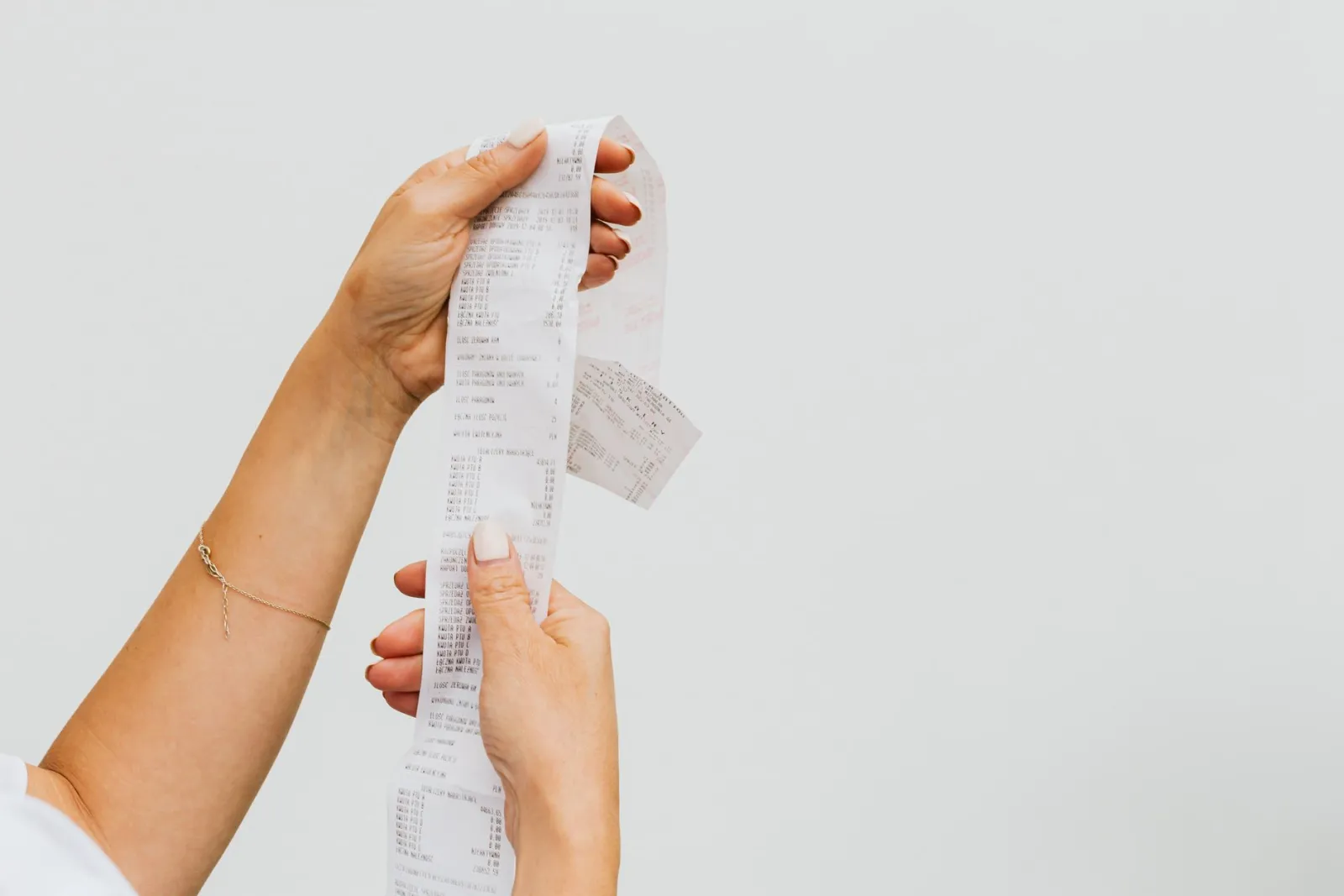
Here is the receipt that tells you why most people believe the opposite. The Food Foundation, a UK food charity, found in its 2025 Broken Plate report that healthier foods cost more than twice as much per calorie as less healthy foods, around £8.80 per 1,000 calories against £4.30. The poorest fifth of households would need to spend 45% of their disposable income to eat the recommended healthy diet, and 70% if they have children (Broken Plate 2025).
Those numbers are real, and they are a scandal. But eating well does not have to mean buying products with a health label. Build meals around dried beans and lentils, oats, rice and potatoes, then add the vegetables that are in season and grown closest to you. A cabbage, a bag of oats and a sack of potatoes can form the start of several proper meals. Spend on fresh produce where it makes sense, and ask a local grower what is plentiful, what is in season and what they have in a surplus.
This is where whole-food, plant-based eating becomes practical, not a trend. Lentil and potato soup. Rice and black beans. Chickpea stew with whatever squash or greens are growing nearby. Oats for breakfast. Start with inexpensive staples, then let the season and the local harvest decide which vegetables go into the pot. You do not need branded meat substitutes or a trolley of packaged health foods to make a nourishing meal.
Read the label on anything in a packet. If you cannot pronounce it, you are paying for chemistry, not food. Our free E numbers guide decodes the numbers for you.
Cheap healthy meals for a week, the whole food way
A low-cost plant-based week can start with one evening of batch cooking: prepare beans, lentils and grains, then build the meals around seasonal vegetables from a nearby farm shop, market or veg-box grower. Cook once, freeze portions and make the most of what is abundant locally, so less food and energy go to waste.
Eat with the seasons: what to buy, cook and grow through the year
Seasonal eating is not a trend or a rule about never buying an imported ingredient. It is a way of letting the harvest guide your shopping. When a crop is naturally ready in your region, there is usually more of it around, it is often fresher and better value, and it is less likely to need heated glasshouses, long storage or air freight. It also gives you a reason to eat a wider variety of plants across the year rather than buying the same few vegetables every week. The exact harvest shifts with weather, soil, region and growing method, so use this as a UK guide, then ask the grower what is actually coming out of the ground this week.
November, right now: build meals around apples and pears, beetroot, carrots, cabbage, cauliflower, celeriac, kale, leeks, onions, parsnips, potatoes, swede, turnips, squash and pumpkins. Look for Brussels sprouts, Jerusalem artichokes and wild mushrooms too, where locally available. These are the ingredients for thick soups, stews, tray bakes and simple bowls of beans with greens. Roast a whole tray of roots and squash, make soup from the trimmings, and use the leaves and stalks rather than throwing them away. Store apples and pears properly and they can last; ask growers whether they have seconds, bruised fruit for cooking or surplus boxes.
Winter December to February: choose stored apples and pears, beetroot, carrots, cabbage, celeriac, celery, chicory, Jerusalem artichokes, kale, leeks, onions, parsnips, potatoes, swede, turnips, Brussels sprouts and winter squash. Purple sprouting broccoli begins to appear towards the end of winter in some areas. Make these into lentil and root-vegetable soup, bean casseroles, baked potatoes with beans, cabbage and potato mash, or roasted vegetables with chickpeas. Hardy herbs such as parsley and thyme add flavour without relying on expensive sauces.
Spring March to May: the first fresh greens arrive. Look for purple sprouting broccoli, spring greens, spring onions, watercress, radishes, spinach, rocket, sorrel and rhubarb. As spring progresses, asparagus, lettuce, peas and new potatoes begin to arrive, with British asparagus having a short season. Use the tender leaves in salads, stir them through beans and grains at the end of cooking, or make a simple potato, spring onion and greens soup. Rhubarb can be stewed with oats for breakfast or dessert.
Summer June to August: this is the time for strawberries, raspberries, blackcurrants, redcurrants, gooseberries, cherries and later blackberries, alongside broad beans, peas, runner and French beans, courgettes, cucumbers, tomatoes, peppers, aubergines, beetroot, carrots, lettuce, chard, fennel and new potatoes. Buy berries when they are abundant, freeze what you cannot eat, and turn a glut of tomatoes or courgettes into sauce, soup or chutney. Beans, peas and leafy greens make easy additions to rice, potatoes and lentils.
Autumn September to November: make the most of apples, pears, plums, damsons, blackberries and late raspberries, as well as pumpkins, winter squash, leeks, kale, cabbage, carrots, beetroot, potatoes, onions, parsnips and mushrooms. This is the season to preserve a glut: freeze berries, cook and freeze tomato sauce, dry herbs, store sound roots somewhere cool and dark, and make soups in batches.
A month-by-month UK seasonal shopping list
Harvests overlap, and a warm or wet year can shift the dates, but this is a practical starting point for shopping locally. “In season” means the crop is being harvested or is available from local storage; always check its origin rather than assuming every item on a shelf is British-grown.
- January: apples and pears from storage; beetroot, Brussels sprouts, cabbage, carrots, celeriac, kale, leeks, onions, parsnips, potatoes, swede, turnips and winter squash.
- February: apples and pears; beetroot, Brussels sprouts, cabbage, carrots, celeriac, kale, leeks, onions, parsnips, purple sprouting broccoli, spring greens and swede.
- March: rhubarb begins; beetroot, cabbage, carrots, leeks, parsnips, purple sprouting broccoli, radishes, spring greens, spring onions and watercress.
- April: rhubarb; asparagus begins in some areas, alongside new potatoes, kale, spring cabbage, radishes, rocket, spinach, spring onions and watercress.
- May: strawberries begin; asparagus, lettuce, radishes, rhubarb, spinach, spring cabbage, spring onions, peas and new potatoes.
- June: strawberries, cherries, gooseberries, blackcurrants, redcurrants and raspberries; asparagus, broad beans, broccoli, courgettes, cucumber, lettuce, peas, radishes, runner beans, chard and new potatoes.
- July: blackberries, blueberries, cherries, gooseberries, raspberries, redcurrants and strawberries; beetroot, broad beans, carrots, courgettes, cucumber, fennel, French and runner beans, garlic, lettuce, peas, potatoes, tomatoes and chard.
- August: blackberries, plums, damsons, raspberries and other summer berries; aubergines, beetroot, broccoli, carrots, courgettes, cucumber, fennel, French beans, lettuce, peppers, potatoes, pumpkin, sweetcorn, tomatoes and chard.
- September: apples, pears, plums, damsons, blackberries and late raspberries; beetroot, broccoli, cabbage, carrots, cauliflower, courgettes, cucumber, kale, leeks, onions, peppers, potatoes, pumpkin, spinach, sweetcorn, tomatoes and squash.
- October: apples, pears, blackberries and elderberries; beetroot, broccoli, Brussels sprouts, cabbage, carrots, cauliflower, celeriac, kale, leeks, onions, parsnips, potatoes, pumpkin, squash, swede, turnips and wild mushrooms.
- November: apples and pears; beetroot, Brussels sprouts, cabbage, carrots, cauliflower, celeriac, kale, leeks, onions, parsnips, potatoes, pumpkin, swede, turnips and winter squash.
- December: apples and pears; beetroot, Brussels sprouts, carrots, celeriac, celery, cabbage, kale, leeks, onions, parsnips, potatoes, red cabbage, swede, turnips and winter squash.
Make seasonal food go further in a UK kitchen
Seasonal shopping only saves money when you buy amounts you can use. Before going to the shop, check what is already in the fridge, freezer and cupboards. Plan three or four meals around overlapping ingredients rather than buying a different set of produce for every recipe. A bag of carrots, for example, can become soup, a tray of roasted vegetables, grated salad and a filling for a bean stew. Keep the plan flexible: if one crop is expensive or poor quality that week, swap it for another vegetable with a similar role.
Compare the price per kilogram, not just the price on the shelf, and check whether a discounted bag contains more than your household can use. Loose produce can make it easier to buy the quantity you need. Frozen vegetables can be a practical way to avoid waste when fresh produce is expensive or spoils quickly; choose plain vegetables without added sauces or seasoning. Tinned tomatoes, beans and pulses can also support low-cost meals, but compare salt levels and ingredients where relevant.
Storage matters as much as the original price. Keep potatoes, onions and squash in a cool, dark, dry place, but store them separately where appropriate because onions can encourage potatoes to sprout. Refrigerate leafy greens and herbs, remove damaged leaves, and use the most perishable items first. Freeze surplus chopped vegetables, cooked beans, soups and stews in meal-sized portions, labelled with the date. Use leftovers promptly and reheat them thoroughly. Follow current food-safety guidance for chilling, freezing and reheating.
Make use of the whole edible crop where it is safe and suitable. Broccoli stems can be peeled and cooked; cauliflower leaves can be roasted or added to soup; carrot tops can be used in small amounts in sauces or pesto-style mixtures if fresh and correctly identified. Wash produce under running water and remove damaged or spoiled parts. Do not eat leaves, roots or wild plants unless you know they are edible and have been identified correctly.
For a tighter household budget, build meals from inexpensive staples first, then add seasonal vegetables for variety and nutrition. Lentils, dried peas, beans, oats, barley, brown rice and potatoes can form the base of filling meals. Batch-cooking a pot of lentils or beans and freezing portions reduces the temptation to rely on costly convenience food when time is short. This is not about buying every item organic or shopping at specialist stores; it is about making informed choices within the money and options available to you.
Ask better questions about where UK food comes from
A farm shop, market stall or local label does not automatically mean that food was grown nearby, produced without synthetic pesticides, or farmed in a way that builds soil. Ask the grower or retailer where the crop was grown, whether it is in season locally, how pests and weeds are managed, and whether any sprays were used. If organic certification matters to you, check for the certification rather than relying on words such as natural, traditional or chemical-free. Some smaller growers use lower-input or ecological methods without certification, but those methods should be described clearly rather than assumed.
Buying directly from growers can make it easier to ask these questions and understand the realities of production, including weather losses, labour, storage and distribution. It can also help keep more of the food pound within a local supply chain. That does not mean every direct-sale option is automatically cheaper: compare prices, travel costs, box sizes and the amount you can realistically use. A nearby farmers’ market, community-supported agriculture scheme, pick-your-own farm or farm shop may suit different budgets and households.
Use the My Ideal World farm shop directory and the UK farm shop map to find places to investigate, then check each producer’s own information before deciding what to buy. The farmers market checklist can help you prepare questions about provenance, growing practices, packaging and seasonality.
Grow a little food, even without a garden
Growing food at home will not replace a weekly shop, but it can add fresh herbs and leaves while building practical knowledge. A sunny windowsill can support herbs; a balcony or doorstep container can grow salad leaves, radishes, spring onions and compact varieties of tomatoes. If you have access to a garden or shared growing space, consider perennial herbs, soft fruit and crops suited to the light and soil you actually have. Start with one or two reliable crops, use suitable containers with drainage, and avoid buying more compost, equipment or seed than you need.
Community gardens, allotments, school gardens and food-growing groups can make space, tools and experience more accessible. They also create relationships through which people can share surplus, seeds, skills and harvests. Food resilience is not only about individual self-sufficiency; it is also about having local knowledge, growers, distribution routes and community networks that can respond when prices rise or supply is disrupted.
How to use the calendar without wasting money: look at what is plentiful before you decide on the week’s meals. Choose two or three vegetables that are in season and affordable, then build around inexpensive staples that are available all year: dried or tinned beans, lentils, chickpeas, oats, rice and other whole grains. A seasonal vegetable does not need to be the centre of an expensive recipe. Add it to a pot of beans, a soup, a curry, a stew or a tray bake. If fresh produce is costly or unavailable, frozen vegetables and plain tinned pulses are useful, practical options; choose them over paying a premium for out-of-season produce.
Buy with care, not just by the label. A farm shop or market is a place to ask questions, not proof that everything is local, organic or spray-free. Ask where the crop was grown, whether it is in season, how it was grown, what pest and weed controls were used, whether the grower uses synthetic pesticides or herbicides, and whether they have loose produce, seconds or returnable boxes. Prefer growers using organic or genuinely low-input, soil-building methods where you can verify that; do not assume that “natural”, “local” or “farm fresh” automatically means pesticide-free. Buy loose where possible, take your own bags and containers, and choose what is genuinely grown nearby rather than produce that has travelled a long way to carry a local-shop price.
Seasonality also depends on where you live. The calendar below focuses on the UK harvest, although availability varies by region, weather and growing conditions. Use the same principle wherever you are: ask local growers what is in season now, what is abundant, and what they are harvesting this week. Our vitality planner and seasonal food guide can help you plan meals around the harvest. For a month-by-month UK reference, see the British Dietetic Association’s seasonal fruit and vegetable guide and the National Trust seasonal food calendar.
A practical low-cost week to start with
This is the week I would hand anyone starting out. The aim is to cook a few flexible basics, use them more than once and freeze what you will not eat within a few days.
Sunday, cook three pots. A big pot of lentil and potato soup. A pot of black beans with onion, garlic and thyme. A tray of roast squash and roots. Rice on the side. Freeze half of everything.
Every breakfast. Oats cooked in water with a grated apple or whatever fruit is in season and cheap.
Every lunch. A bowl of the soup with a handful of sprouts on top.
Every dinner. Beans and rice one night, squash and lentils the next, stew over potatoes the next. Add whatever greens the farm shop has, kale, cabbage, leeks.
Wednesday, top up. One more pot, chickpea and tomato stew or a dal, to carry you to the weekend.
One pot on the hob with the lid on uses a fraction of the energy of the oven every night, and with the cap at £1,723 that matters. If you want the year planned around what is in season, our vitality planner with its seasonal food guide and meal planner does it with you.
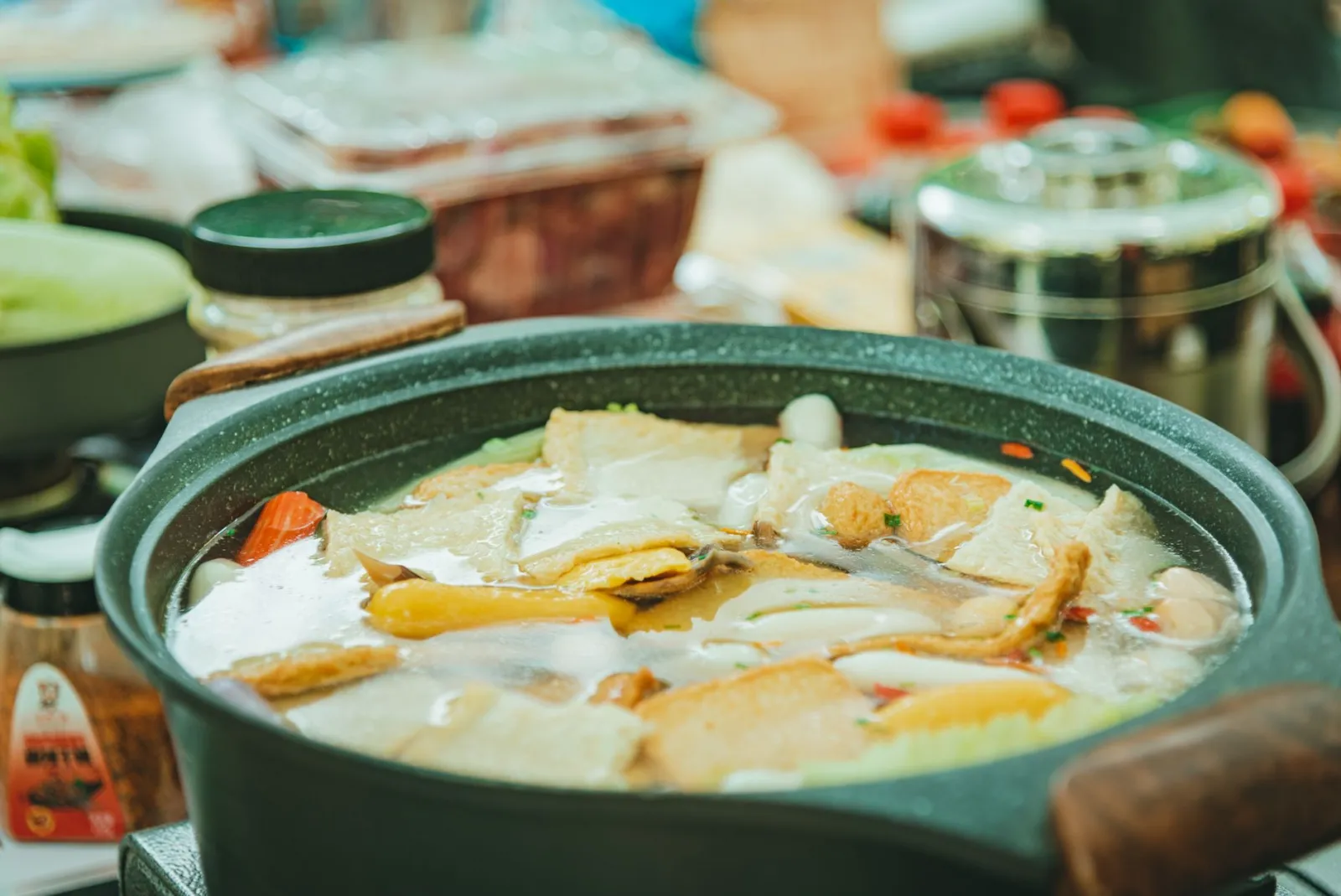
Can food be medicine? In the Caribbean it always has been
Food can work as medicine in the everyday sense the Caribbean has always lived by, whole plant food and home grown herbs that keep the body strong, which costs far less than treating a body that cheap food has worn down.
Casa de Luz in Austin, Texas has fed people whole plant food for 40 years, and Wayo Longoria put the order of things plainly.
We don’t have our plants for taste. We have our plants for health. The taste comes after you eat this way.
Eduardo “Wayo” Longoria, Casa de Luz, Austin
In the islands the medicine cabinet grows by the kitchen door. Ginger and garlic in the pot. Thyme and scallion. Fever grass (lemongrass) and mint for tea. That knowledge has its roots in West Africa, carried across the Atlantic by people allowed to bring nothing else, and it is still the cheapest health plan there is. Our medicinal plants, herbs and trees guide shows what to grow, how to prepare it and where to source it, with pictures. (This is tradition and food, not a prescription. Keep your doctor for what needs a doctor.)
There is an energetic side too, and the holistic among you will feel it before you can explain it. Danielle, who grows ceremonial cacao on her own land in Colombia, asked the question I keep coming to.
Your whole system, your physical body, your emotional body, your spiritual body. When you eat an apple that was mass produced, mistreated, sprayed with chemicals, stored, hauled all over the place, how is that energy really sustaining in your system?
Danielle, ceremonial cacao grower, Colombia
Cheap food grown with no care, picked by people paid nothing and shipped across the world carries all of that. Food you grew, sprouted or bought from the hands that grew it carries something else. It costs less and it feeds you more, on every level.
Does growing your own food save money? Yes, if you start with what costs most to buy
Growing your own food saves money fastest when you start with things that are expensive to buy and simple to grow: herbs, salad leaves, sprouts, garlic and cut-and-come-again greens. You do not need to grow everything. Grow a little of what you use often, and buy the rest from nearby growers when it is in season. A windowsill, a few pots or a shared garden can make a difference.
A supermarket bag of herbs or salad lasts days. A pot of parsley or chives on the sill keeps giving for months, and one bulb of garlic split and planted this autumn becomes a dozen next summer. That is the maths of growing your own.
In Antigua, Lorilyn grew up on her grandmother’s backyard garden and now grows her own at Lamblion, where her daughter cooks from it too. Four generations connected by one garden. See how much a small Caribbean yard gives in our backyard garden tour in Antigua and everything in what you can pick at Lamblion.
In a UK winter, the full list of what still grows, and how to dry what you pick, is in the prepper pantry and survival garden guide. Our free leafy greens checklist tells you which greens give the most food for the least space.

How do you start self sufficient living in the city? With a jar of sprouts and your neighbours
You start self sufficient living in the city by producing one food yourself, usually sprouts or windowsill greens, and by joining the people around you, because nobody in a flat is self sufficient alone.
Sprouting is the fastest food you will ever grow. A spoon of lentils or mung beans becomes a bowl of living greens in a day or two, no soil, no garden, no heating. Mariam, who founded Ummy, the raw vegan café in Tbilisi, told me it is easier than cooking.
Cooking food, you need to cut it, then boil it and fry it, and then wash the pan, it gets dirty. For me it’s a way more difficult process than sprouting.
Mariam, founder of Ummy, Tbilisi
Soak the seeds in the evening, rinse and change the water a few times, and by the next day they are sprouting. Orange lentils are the fastest. Keep them in the fridge. Watch her café in Ummy raw vegan café.
Then go beyond your own four walls. In Cabarete, on the north coast of the Dominican Republic, Morena Cappelen and her co founders run a community kitchen, a garden and a food bank in one.
The reason why we run a program like sustainable is because we like the town. We really like the community where we live. And we would like to have a better community,
Morena Cappelen, co founder of Cabarete Sostenible
Read Cabarete’s community kitchen and garden, or watch the food bank, café and garden, and for a city version see the food forest in downtown Austin. Put your name down for an allotment or a community garden plot this week, however long the list. Use the food bank if you need it. That is a community doing what it is for.

Is food sovereignty the answer to the cost of living crisis? It is the long answer
Food sovereignty is the long answer to the cost of living crisis. It means communities having more say over what is grown, how it is grown and where food comes from, with the ability to grow, trade and buy locally rather than relying entirely on long supply chains and prices set elsewhere. It starts with practical choices: supporting nearby growers, keeping traditional food knowledge alive and making good local food easier to reach.
Food security asks whether there is food on the shelf. Food sovereignty, a term coined by the farmers’ movement La Vía Campesina in 1996, asks who grows it, who controls it and who it serves. One keeps you fed. The other keeps you free.
You can put food sovereignty into practice with one local purchase at a time. Find a nearby grower through the My Ideal World Farm Shops directory, then use our local-food guide to plan where to shop. Start with the Be Ready map of UK farm shops and local food, which puts farm shops, veg boxes, markets and pick your own farms in one place. Then go county by county, from Greater London and the City of London to Greater Manchester, Merseyside, the West Midlands, Bristol, Kent, Devon and Glasgow. Picking your own is cheaper still, with guides to pick your own fruit in the UK and in the USA.
How to spend less at the market. Go near closing time, when growers would rather sell than carry it home. Ask for seconds and odd shaped veg. Buy a glut and cook it down, freeze it or dry it. Take our free farmers market checklist, and bring the children with the kids’ farmers market activity sheet.
For the deepest reading on who controls your food and how to take it home, it is all in our food sovereignty collection.

How to live a good life without much money
You live a good life without much money by wanting enough instead of more, eating together, and spending what you do have with people who share it fairly.
Danielle keeps turning down partners who promise to triple her cacao sales.
To expand any further than what we are, oh my God, I’d have to work twice as much, I’d have to bring in ten more workers, and then I’d have to sell five times as much just to cover all these things. And at the end of the day, yes, more people got beautiful cacao, but then what?
Danielle, from the cacao grower who keeps turning down more money
But then what. Ask it before every purchase this winter. Write down every monthly payment and cancel two. Repair one thing before you replace it. Our free eco living checklist starter walks you through the home, the kitchen and the wardrobe.
Eat together. At Casa de Luz everybody eats the same meal at round tables, no menu and no owners, and Wayo told me how it stays cheap.
It’s very affordable and there’s never any money left over. It gets spread amongst the cooks and the host and the maintenance people. And it’s worked really well for, well, here 32 years, but the whole endeavor is 40 years old.
Eduardo “Wayo” Longoria, Casa de Luz, from inside Casa de Luz’s plant based community kitchen
A weekly soup night with your neighbours, everyone bringing one ingredient, is the same idea at kitchen table size. Watch Casa de Luz and borrow the idea.

And spend with good people. At South Street Bakery in Antigua, where the bread still goes into a wood fired brick oven by hand, the talk turned to what money is for.
So my idea is that you have can share with the people on his pay or on his work, and that people can have a good life.
At South Street Bakery, Antigua, from inside South Street Bakery’s wood fired oven

Cheap always has a cost somewhere. One of you said it under my post on the strawberry farm that supplies a UK supermarket chain, and 201 people agreed.
I won’t shop there. “Cheap” always comes with a price tag for someone else often paid by the most vulnerable in society. I can afford not to go to Lidl but their hold is that many can’t. Blame governments and greedy shareholders. They need to do better.
A reader, 201 likes
There is no shame in buying what you can afford, or what is available where you live. This is not about making a perfect shop or spending more. It is about shifting what you can, when you can: choosing seasonal produce from a nearby grower, asking a market trader what is in abundance, sharing a veg box or growing a few herbs at home. Keep the affordable staples in the cupboard and let local vegetables shape the meals around them. Bush Bungalow’s line says it simply: Grown here, not flown here.
What to do this week to survive the cost of living crisis, ready and righteous
Surviving the cost of living crisis the whole food way comes down to seven moves you can make in the next seven days.
1. Find a local grower. Search the Farm Shops directory and the Be Ready map of UK farm shops and local food. Check what is genuinely grown nearby, what is in season and whether the shop offers a box, surplus produce or a collection point. Start with a few vegetables for the week rather than replacing your whole shop.
2. Cook three pots on Sunday, soup, beans and roast roots, and freeze half.
3. Start a sprouting jar with a spoon of lentils or mung beans.
4. Plant one thing, herbs on the sill or a bulb of garlic in a pot.
5. Grow one remedy, thyme, mint or ginger, and learn what it is for.
6. Invite your neighbours to a soup night.
7. Cancel two payments you do not need, and spend one shop with a local grower instead of a chain.
None of it needs a pay rise. All of it moves you from sick and broke towards ready and righteous. If the warnings this week have you nervous, keep the calm guide to Be Ready emergency preparedness close by.
Nobody is coming to fix the price of food. Good. Then nobody gets to decide what you eat either. One jar, one pot, one seed and one neighbour at a time.
Tell me in the comments which of these you are starting with, and what you already grow, make or forage yourself.